Pakistan plans registration for social media platforms and major content creators
Interior Minister Mohsin Naqvi said Pakistan plans to require major content creators, social media platforms and over-the-top (OTT) services, which deliver content over the internet, to register. Each platform would also have to name a representative in Pakistan with the authority to respond when concerns are raised. Naqvi said the purpose of registration was to establish who could be held accountable while preserving people’s ability to express their views. He gave no timetable for registration or threshold for determining which creators would qualify as major.
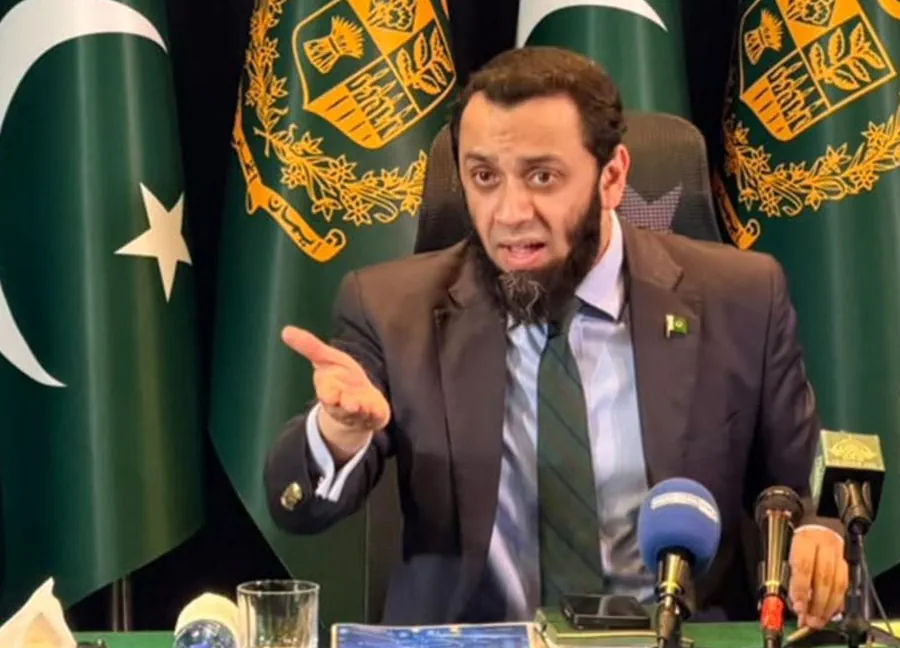
- Naqvi said social media and streaming platforms would need to register and appoint an authorised representative in Pakistan.
- He urged platforms to stop the banned BLA from raising funds and spreading its message online.
- IT Minister Shaza Fatima Khawaja said conflicting rules can delay content removal and urged shutdowns only as a last resort.
Speaking at an international seminar in Islamabad organised by the Sustainable Development Policy Institute (SDPI), Naqvi singled out the online activity of the banned Balochistan Liberation Army (BLA). He said several of its officials still had access to social media accounts and were using them to solicit donations and publicise the group’s positions. He questioned why companies continued to allow that activity and called on them to intervene.
Also Read:
Naqvi identified terrorism and hate speech as two of the government’s four red lines for online activity. Citing Pakistan’s losses in the fight against terrorism, he said digital media outlets had a responsibility to check information that could fuel public disorder. He also called for greater protection for children online and closer cooperation to address deepfakes. Those responsible for misleading propaganda against citizens or state institutions would face legal action, he said.
Federal Information Minister Attaullah Tarar put the scale of the challenge at about 100 million social media users and roughly 160 million smartphone users in Pakistan. He said unverified claims could reach a large audience quickly and invited participants to put forward a declaration on social media regulation. In separate remarks to journalists, he said talks with platform operators were continuing and that companies were setting up offices in Pakistan. Closer alignment between their rules and domestic law would make it easier to resolve complaints, he said.
Khawaja, the federal minister for information technology and telecommunication, said the gap between a platform’s community guidelines and Pakistani law becomes particularly important when someone reports harassment, an online threat or a security concern. She called for better communication between companies and regulators so complaints could be dealt with effectively. Authorities should first pursue public awareness, dialogue with platforms and corrective action before considering a ban or shutdown, she said.
Law Minister Senator Azam Nazeer Tarar said any regulatory decision had to take account of both freedom of expression and the rights of the person affected by a post. He cited Articles 4, 9 and 14 of the Constitution in discussing protections for life, liberty, privacy and dignity. Articles 19 and 19A, he said, protect freedom of expression and access to information within the limits set by law.
The law minister likened a false report to a bullet that cannot be recalled once fired. A fabricated allegation could travel around the world in seconds, he said, leaving an individual with damage to their reputation that a later correction might never repair. He urged platforms to act promptly where material appeared on its face to be false and harmful, and said those who violated another person’s privacy or damaged their reputation should be answerable for their actions.
Azam Nazeer Tarar said Pakistan had introduced changes to its regulatory framework after 18 months of consultations. He cited the establishment of a social media regulatory authority and amendments to the Prevention of Electronic Crimes Act (PECA) as steps taken to improve online safety. Given how easily a claim could cross borders, he said, tackling disinformation would also require international cooperation, carefully judged enforcement and changes in how people share information.
Representatives of Meta and TikTok explained how their companies handle content and work with Pakistani authorities. Dania Mukhtar, Meta’s head of public policy for Pakistan, said its policy on dangerous organisations and individuals prohibits material that promotes, supports or represents designated groups or individuals with violent aims. She said Meta first reviews government requests against its own policies and then examines the applicable legal requirements and safeguards.
Fahad Muhammad Khan Niazi, who leads public policy and government relations for emerging markets at ByteDance and TikTok, said TikTok respects local laws and enforces its community guidelines. He said the company had signed a memorandum of understanding with the Pakistan Telecommunication Authority and was working on further measures. He also cited cooperation with the IT ministry and said civil society groups and users had a role alongside governments and technology companies in improving online safety.
Sindh Senior Minister for Information Sharjeel Inam Memon urged companies to use artificial intelligence and other tools to identify harmful material before publication, particularly content linked to terrorism, incitement to violence or threats to public order. He called for stronger laws and consistent enforcement, describing misinformation as a global problem requiring action by governments, companies and the public. Khyber Pakhtunkhwa Governor Faisal Karim Kundi urged users to safeguard freedom of expression by avoiding material that promotes hatred, extremism or social division.
National security and foreign policy expert Laura A. Watkins focused on what officials should tell the public during a security crisis, when an altered video or an unverified claim can heighten tensions and put civilians at risk. She urged authorities to say what they had confirmed, what they were still checking and when people could expect the next update. She also said local platform representatives needed enough staff and decision-making authority to handle lawful requests from officials and complaints from the public.
Senior Canadian journalist Tanya Goudsouzian said extremist groups use online platforms to promote their ideology and distribute propaganda. She said journalists could help limit its reach by checking claims against evidence before reporting them. Other speakers called for companies to explain how their recommendation algorithms decide what users see and to adopt business practices that take account of the harm their services can cause. Participants said regulation should protect users and freedom of expression while allowing economic and technological development to continue.