Nationwide referendum proposed on plan to reorganise Pakistan into 12 provinces
- The proposal would divide Punjab into four provinces, Khyber Pakhtunkhwa and Balochistan into three each, and Sindh into two.
- A nationwide referendum is being considered to gauge public support ahead of a possible 28th Constitutional Amendment.
- The amendment could be taken up in the first half of 2027, though provincial boundaries and administrative arrangements have yet to be decided.
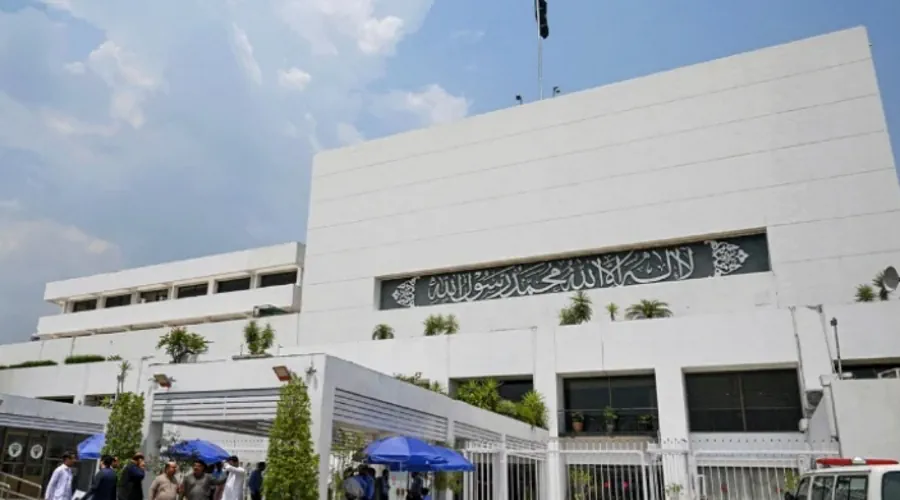
A proposal to reorganise Pakistan’s four provinces into 12 is under consideration, with a nationwide referendum being discussed as a possible first step before a constitutional amendment, The News reported on Sunday, citing sources familiar with the plan.
Under the proposed arrangement, Punjab would be divided into four provinces, Khyber Pakhtunkhwa and Balochistan into three each, and Sindh into two. Sources said preparatory work could begin in the first quarter of 2027, with a possible 28th Constitutional Amendment taken up in the first half of the year. No final decisions have been made on provincial boundaries, administrative structures or the constitutional process.
Also Read:
The proposed referendum would seek voters’ views on the principle of creating new provinces before political parties and lawmakers negotiate the details. Supporters say a nationwide vote could help establish whether the public backs the reform and broaden a debate often shaped by electoral interests, provincial identity and the distribution of power.
Sources said the proposal was intended to address population growth, administrative pressures and uneven development across the country. They said it was aimed at improving governance across all regions while respecting the political and administrative standing of existing provinces.
Proponents argue that smaller provinces could bring government closer to residents, make public services easier to access and help officials respond more quickly to local problems. They say smaller administrative units could also make it easier to identify underserved areas, monitor the performance of public institutions and direct development funds and projects where they are needed.
Even if a referendum showed public support for the proposal, lawmakers and provincial stakeholders would still need to settle how the new boundaries would be drawn, how resources and representation would be shared, and how administrative responsibilities would be transferred. Changes to the provincial framework would also require agreement on constitutional safeguards and extensive political and parliamentary deliberation.