Trump says Iran wants to end war but has yet to offer acceptable terms
- Trump said he would authorise the strikes again and signalled that a decision on further military action could wait until early 2027.
- Iran says its enriched uranium must remain in the country and wants guarantees that any agreement would prevent a return to war.
- JD Vance defended the aim of preventing Iran from acquiring a nuclear weapon but declined to say whether he would have authorised the strikes himself.
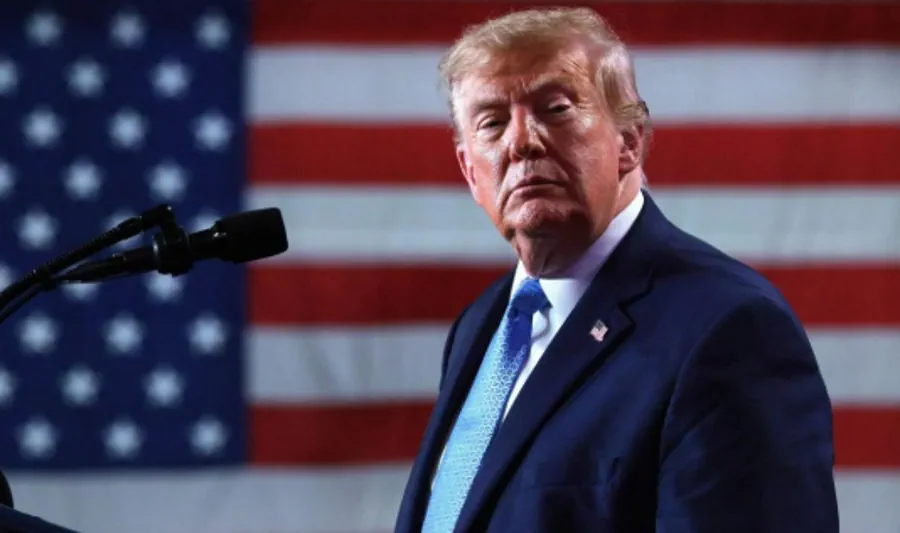
US President Donald Trump said on Friday that Iran wanted an agreement to end the war but had yet to propose terms he would accept. Speaking at the White House, Trump accused Tehran of misleading Washington for decades and said he was seeking a deal that would address US concerns about Iran acquiring a nuclear weapon.
Iranian Foreign Minister Abbas Araghchi said Tehran still saw a path to a negotiated settlement. In an interview with an Iranian newspaper, he said keeping enriched uranium inside the country remained a red line, though he believed “a fair solution” was possible. He said Iran wanted an agreement that would prevent another war, as well as assurances that Washington was serious about negotiations. Tehran had discussed possible confidence-building measures with mediators, he added.
Also Read:
The statements came amid renewed speculation that the US and Israel could resume major strikes after nearly nine months of conflict. Trump indicated in a Thursday interview that a decision could wait until after the start of 2027, saying, “We’ve got time.” Israeli Prime Minister Benjamin Netanyahu has reportedly been pressing Washington to join another air campaign that could last four to seven days.
The war has also become a political liability for Republicans. Democrats won control of both chambers of Congress in the November 3 midterm elections, and voter anger over the war and rising US fuel prices was seen as a factor in the Republican losses. In a post on X after the election, Vice-President JD Vance suggested that both the conflict and Washington’s relationship with Israel had contributed to the result.
Asked at the White House whether the war had been worth the electoral losses, Vance avoided a direct answer. He defended the goal of preventing Iran from acquiring a nuclear weapon and argued that Tehran could use one as leverage or launch an attack that could kill thousands of civilians or more. Vance said the decision to strike rested with Trump and that his role was to support the president.
Trump said Vance’s assessment of the election was broadly accurate and acknowledged that the war had driven up prices. He said members of his administration were entitled to their views, reiterated that he would authorise the strikes again and used the word “crazy” to describe Iranians.
Vance has long opposed the war and served as Washington’s lead envoy in peace talks, helping broker a provisional truce over the summer that quickly collapsed. In recent weeks, he reportedly sent personal messages to hardline figures in Tehran in an effort to restart negotiations. Trump called off those contacts shortly after Vance published his election assessment and directed him to focus on domestic policy.
Fighting has continued on a smaller scale since the US and Israel first struck Iran in late February. Tehran responded by restricting traffic through the Strait of Hormuz, a major route for global energy shipments. The disruption has pushed up energy costs worldwide. The US military imposed a naval blockade on Iran and has been working to protect oil tankers passing through the strait from Iranian attacks as it seeks to restore shipments towards pre-war levels.