Secret Tunnels and Ancient Rooms Discovered Beneath 1,500-Year-Old Hagia Sophia in Istanbul
- Archaeologists have uncovered nine underground tunnels, hidden chambers, water channels and an ancient tomb beneath Hagia Sophia.
- Around 420 metres of underground passages have been cleared, including a tunnel measuring approximately 180 metres.
- Turkish authorities are considering opening parts of the underground network to tourists following restoration work.
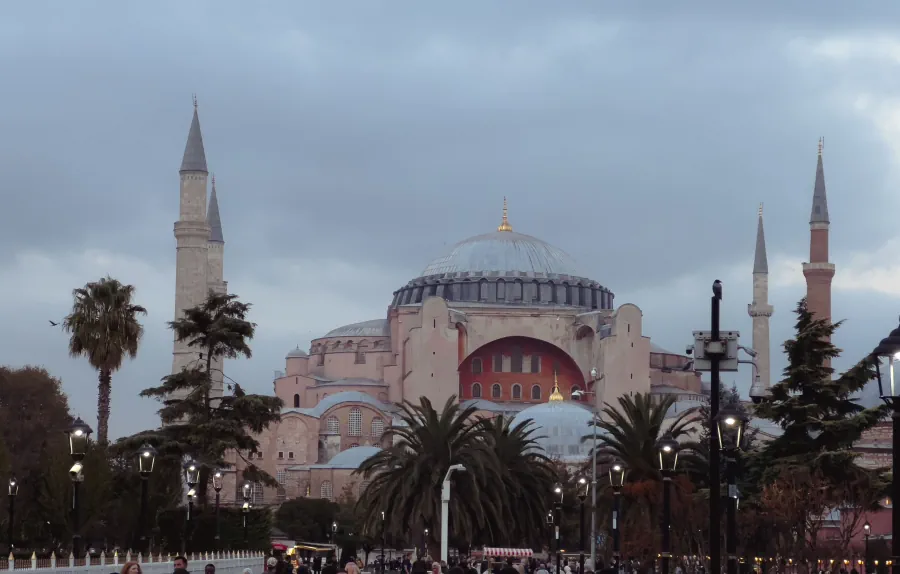
Archaeologists working at Istanbul’s historic Hagia Sophia have uncovered an extensive network of underground tunnels, hidden chambers, ancient water channels and a tomb, revealing previously unexplored sections beneath one of the world’s most celebrated architectural landmarks.
The discoveries were made during restoration work that began in February 2025, bringing new attention to centuries-old stories about mysterious passages beneath the nearly 1,500-year-old building.
Also Read:
Hagia Sophia, recognised as part of a UNESCO World Heritage site, is among Türkiye’s most important historical and religious monuments. Its history is closely connected to two major civilisations: the Christian Byzantine Empire and the Muslim Ottoman Empire.
Originally constructed as a church in 537 AD under Byzantine rule, the building served as a major centre of Christianity for centuries. Following the Ottoman conquest of Constantinople, now known as Istanbul, in 1453, it was converted into a mosque.
Although stories about secret tunnels and underground structures beneath Hagia Sophia have circulated for generations, the latest archaeological work has provided new physical evidence of a complex network hidden below the historic structure.
During the ongoing restoration project, experts have identified nine tunnels along with underground water channels, dome-shaped chambers and an ancient burial site. Some of these structures are believed to date back to periods even earlier than the construction of Hagia Sophia itself.
Workers have already cleared approximately 420 metres of underground passages, although archaeologists believe the entire network could extend for several kilometres beneath the surrounding area.
One of the most significant discoveries is a tunnel measuring around 180 metres, making it the longest passage identified during the current investigations. Archaeologists believe this tunnel may have been connected to an ancient Roman road dating back to the fifth century.
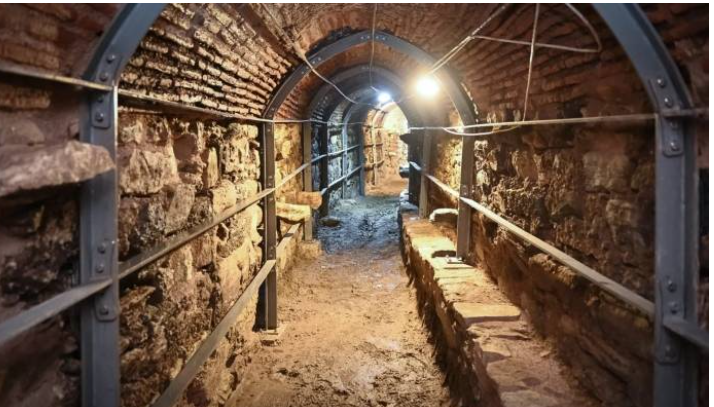
The possible connection suggests that the underground structures could provide valuable information about Istanbul’s infrastructure before and during the Byzantine period.
The excavation and restoration work has also involved removing enormous quantities of accumulated material from beneath the monument. Around 3,000 tonnes of debris have reportedly been cleared as part of a three-year restoration programme.
Researchers are using advanced archaeological techniques and modern equipment to examine the underground network without causing damage to the historic building.
Among the technologies being employed is 3D laser scanning, which allows specialists to create detailed digital maps of the tunnels, chambers and other underground features. These scans are helping experts document the structures, study their construction and better understand how they may have been used in earlier centuries.
The presence of water channels also points to the possibility that parts of the underground network once supported drainage or water-management systems associated with the surrounding historic settlement.
Turkish television has released images showing sections of the newly explored underground passages, giving the public a rare opportunity to see areas that remained largely inaccessible for centuries.
The discoveries have generated fresh interest in Hagia Sophia’s architectural history, particularly because some underground features may predate the existing sixth-century structure.
Turkish authorities are now examining the possibility of making selected tunnels and underground chambers accessible to visitors once restoration and safety assessments have been completed.
If the proposal moves forward, tourists visiting Hagia Sophia could eventually explore not only its famous interior and monumental architecture but also parts of the ancient underground network that has remained concealed beneath Istanbul for hundreds of years.