PM launches Mehfooz Dawa app for public to check medicines by barcode
- A green signal identifies a medicine as genuine, while a red signal flags a potentially fake product.
- Around 700 pharmaceutical companies supplied data on approximately 92,000 medicines.
- Users can also check a medicine’s registered price and expiry date and report suspected counterfeit products.
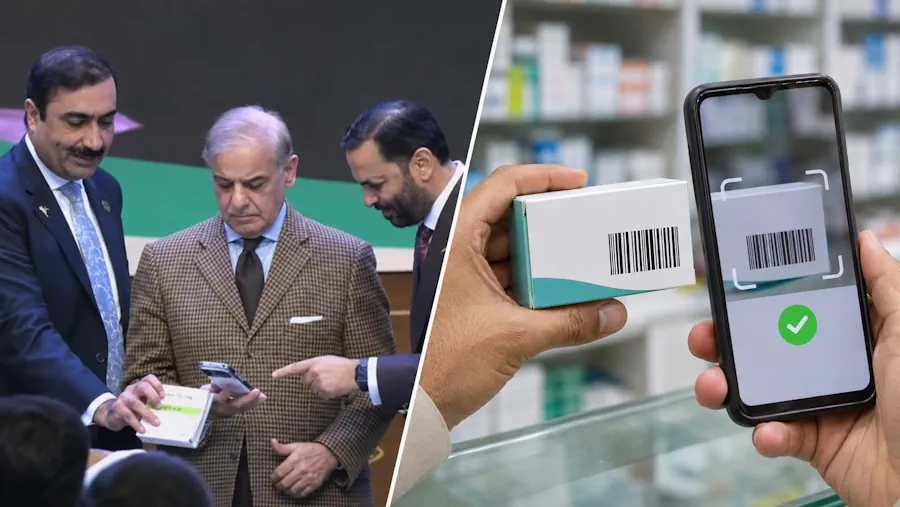
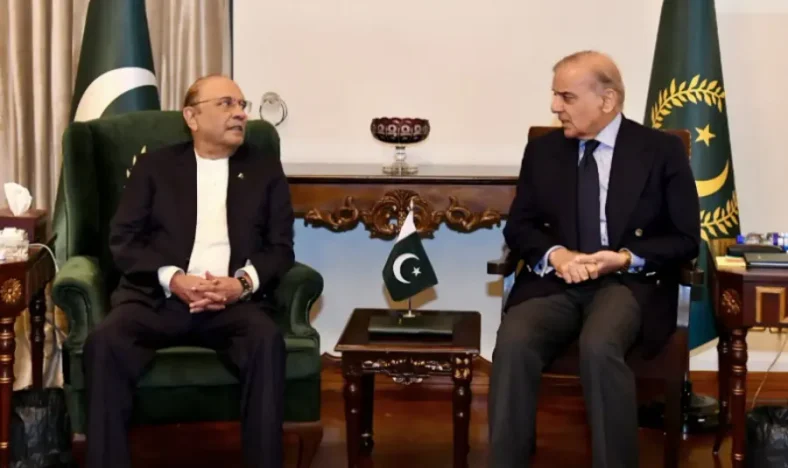
Prime Minister Shehbaz Sharif launched the Mehfooz Dawa mobile app in Islamabad on Thursday, scanning the barcode on a medicine packet to demonstrate how the public can use it. The app displayed a green signal, identifying the medicine as genuine.
The app is part of a government effort to protect patients from counterfeit and substandard medicines. National Health Services Minister Syed Mustafa Kamal said around 700 pharmaceutical companies had shared details of approximately 92,000 medicines for the verification system. With nearly 200 million mobile phones in use across Pakistan, he said the service could reach people across the country and help save lives.
Also Read:
Kamal said the app uses colours so that people with limited reading skills can understand the result. Green indicates that the medicine is genuine. Red alerts the user that the product may be counterfeit.
Dr Ubaidullah, chief executive of the Drug Regulatory Authority of Pakistan (DRAP), said scanning a barcode also allows users to check the registered price and expiry date. Anyone who suspects a problem with a medicine can lodge a complaint through the app for follow-up by regulatory authorities.
An integrated rapid alert system will support the identification and reporting of potential risks and help authorities respond promptly, Dr Ubaidullah said. He added that DRAP had digitised its regulatory processes from start to finish under government directions as part of wider reforms.
Sharif said the launch was an important step towards improving healthcare and giving people access to safe medicines. He recalled that around 2010–11, when he was Punjab chief minister, he received reports that about 100 patients had died after taking a particular medicine at the Punjab Institute of Cardiology. He said he immediately collected samples of the suspected medicines and sent them to laboratories in London, Geneva and Paris for independent testing.
According to Sharif, the federal government at the time held the Punjab government responsible and maintained that the medicines were safe. He said the overseas tests found that cardiac patients at the hospital had received medicine intended to treat malaria. The incident, he said, showed why Pakistan needed stronger regulatory oversight and better ways to detect problems before more patients were harmed.
The prime minister said wealthy families could afford care at leading hospitals, while millions of Pakistanis struggled to pay for food and faced a further burden when someone fell ill. He reiterated the government’s commitment to providing healthcare and education to every citizen. Drawing a comparison with the simplified process for accessing fuel subsidies, he said checking a medicine should be just as straightforward.
Sharif congratulated the development team and acknowledged the contributions of Kamal, the information technology minister, the ministry’s secretary, the Digital Authority, the Special Investment Facilitation Council, pharmaceutical industry representatives and the departments involved. He said he hoped continued cooperation with pharmaceutical manufacturers would lead to more services that make healthcare easier for ordinary Pakistanis to access.