Saudi Arabia Leads Sharp Rise in OPEC+ Oil Production Despite Iran War
- Saudi Arabia increased crude oil production to 10.563 million barrels per day in October 2026, its highest level since February.
- Saudi output surged by nearly 2.2 million barrels per day compared with September, despite continuing disruptions linked to the Iran war.
- Overall OPEC+ production climbed to 41.23 million barrels per day, an increase of 2.04 million barrels per day from the previous month.
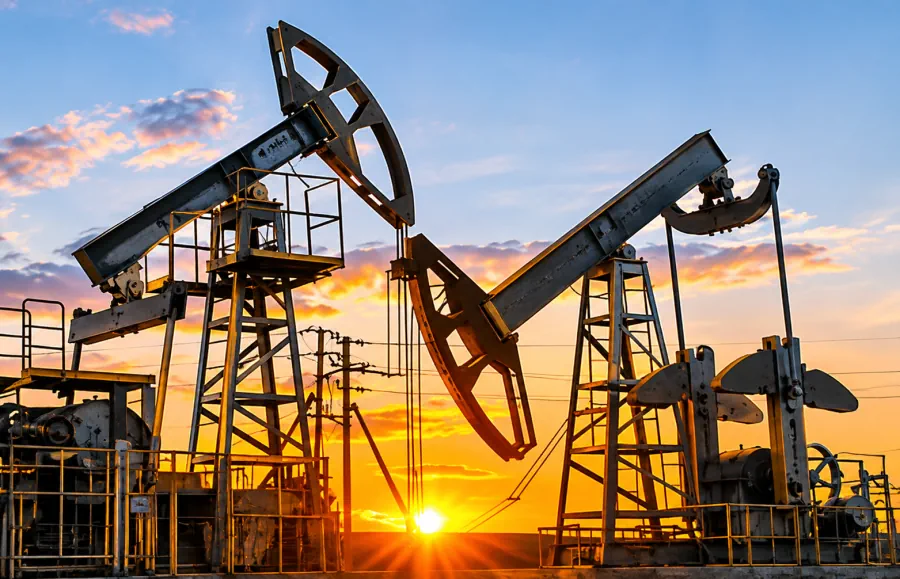
Saudi Arabia recorded a substantial increase in crude oil production in October 2026, leading a broader rise in output among OPEC+ producers despite the continuing impact of the Iran war on Middle Eastern energy supplies.
According to figures contained in OPEC’s latest monthly report, Saudi Arabia, the world’s largest crude oil exporter, produced 10.563 million barrels per day (bpd) in October, compared with 8.372 million bpd in September.
Also Read:
The increase of 2.191 million barrels per day represents a rise of approximately 26.2% in just one month, marking a significant recovery in the kingdom’s oil production following months of regional instability.
October’s output was the highest reported by Saudi Arabia since February 2026, when the country produced 10.882 million barrels per day. February was the final month before the outbreak of the Iran war disrupted energy supplies and shipping operations across parts of the Middle East.
The latest production figures indicate that Saudi Arabia has substantially increased its crude output despite the security challenges affecting the region’s oil industry.
The increase was not limited to Saudi Arabia. The wider OPEC+ alliance, which includes members of the Organization of the Petroleum Exporting Countries and several allied producers, also registered a considerable rise in production during October.
According to OPEC’s report, which cited estimates from secondary sources, combined crude oil output across the OPEC+ group reached 41.23 million barrels per day in October.
This represented an increase of 2.04 million barrels per day compared with September, when the group’s production stood at approximately 39.19 million barrels per day.
The figures suggest that Saudi Arabia accounted for a substantial share of the production recovery, although the kingdom’s self-reported output and the broader OPEC+ estimates were compiled using different reporting methods and are not directly comparable.
The increase comes amid continuing uncertainty in international oil markets, where the conflict involving Iran has raised concerns about the security of major energy-producing facilities and shipping routes.
The Strait of Hormuz, a critical passage for crude oil exports from the Gulf region, has remained a particular concern for energy traders and international markets because of the potential impact of military activity on commercial shipping.
Saudi Arabia’s October production nevertheless remained below its February level by approximately 319,000 barrels per day, indicating that output had not fully returned to the level reported immediately before the war.
The latest OPEC figures provide an indication of how production across the alliance changed in October, as major oil-producing countries continued operating against a backdrop of regional conflict and uncertainty over global energy supplies.