PPP Denies Role in KP Governor’s Rule Decision, Awaits Draft of 28th Constitutional Amendment
- PPP Senator Palwasha Khan says her party was neither consulted nor involved in the decision concerning governor’s rule in Khyber Pakhtunkhwa, attributing it to the prime minister and federal cabinet.
- The PPP will announce its position on the proposed 28th Constitutional Amendment after reviewing its draft, with party lawmakers expected to follow leadership instructions.
- Senator Shahadat Awan reiterates the PPP’s opposition to dividing Sindh, citing six provincial assembly resolutions and constitutional requirements for creating new provinces.
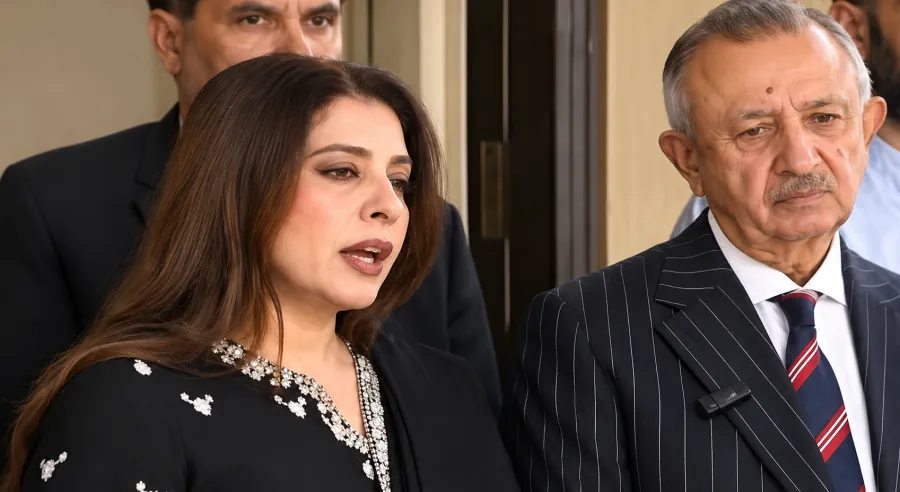
The Pakistan Peoples Party (PPP) has distanced itself from the reported decision to impose governor’s rule in Khyber Pakhtunkhwa, maintaining that the matter was handled exclusively by Prime Minister Shehbaz Sharif and the federal cabinet without consultation with the party.
Speaking to journalists in Islamabad, PPP Senator Palwasha Khan clarified that her party had played no role in the decision-making process and had not been approached for its opinion on the matter.
Also Read:
She said responsibility for the decision rested entirely with the prime minister and his cabinet, rejecting suggestions that the PPP had participated in discussions or supported the move.
Palwasha Khan emphasised that the PPP had neither recommended governor’s rule in Khyber Pakhtunkhwa nor been involved in the process leading to the reported decision.
Her remarks come amid political discussions surrounding the future administration of Khyber Pakhtunkhwa and the federal government’s approach toward the province.
The senator also addressed the proposed 28th Constitutional Amendment, saying the PPP would determine its official position only after the government made the amendment’s draft available for review.
She explained that the party would examine the proposed constitutional changes before deciding whether to support or oppose them.
Palwasha Khan also dismissed speculation that individual PPP lawmakers might break party ranks to vote in favour of the amendment.
She maintained that all PPP members would follow the instructions issued by the party leadership and vote according to the party’s collective decision.
Her statement indicated that the PPP intends to maintain a unified parliamentary position on the proposed constitutional changes rather than allowing individual members to take separate positions.
Meanwhile, PPP Senator Shahadat Awan reiterated the party’s position on proposals concerning the creation of new provinces, particularly any move that would alter Sindh’s existing territorial boundaries.
Awan said the Sindh Assembly had passed six resolutions opposing the division of the province, reflecting the position repeatedly expressed by its elected representatives.
He stressed that the PPP was not fundamentally opposed to the establishment of new provinces in Pakistan but insisted that any such proposal must comply with the procedures and requirements laid down in the Constitution.
According to Awan, constitutional provisions governing changes to provincial boundaries cannot be disregarded, and any attempt to establish new administrative units must follow the legally prescribed process.
Under Article 239(4) of Pakistan’s Constitution, a constitutional amendment affecting the boundaries of a province requires approval by at least a two-thirds majority of the total membership of the assembly of the province concerned.
The senator maintained that the people of Sindh had consistently expressed opposition to proposals aimed at dividing the province and that their collective position should be respected.
He argued that decisions involving provincial boundaries must take into account the wishes of the affected population and the resolutions adopted by their elected representatives.
Awan’s remarks came amid renewed political debate over the possible creation of additional provinces and the constitutional changes that could be required to implement such proposals.
The PPP has maintained that while discussions on administrative reforms and new provinces can take place within the constitutional framework, any attempt to change Sindh’s boundaries must respect the province’s democratic mandate and constitutional rights.
The statements from both PPP senators outline the party’s position on two major political developments: its denial of involvement in the reported governor’s rule decision in Khyber Pakhtunkhwa and its decision to withhold judgment on the proposed 28th Constitutional Amendment until the draft becomes available.