Pakistan Successfully Tests Fatah-3 Supersonic Cruise Missile, ISPR Confirms
- Pakistan Army successfully conducted the launch of the Fatah-3 supersonic cruise missile on Wednesday, November 18, 2026.
- The missile features advanced navigation and propulsion systems designed to engage long-range targets with high precision at supersonic speeds.
- President Asif Ali Zardari, Prime Minister Shehbaz Sharif and Field Marshal Syed Asim Munir congratulated the scientists, engineers and military personnel involved in the successful launch.
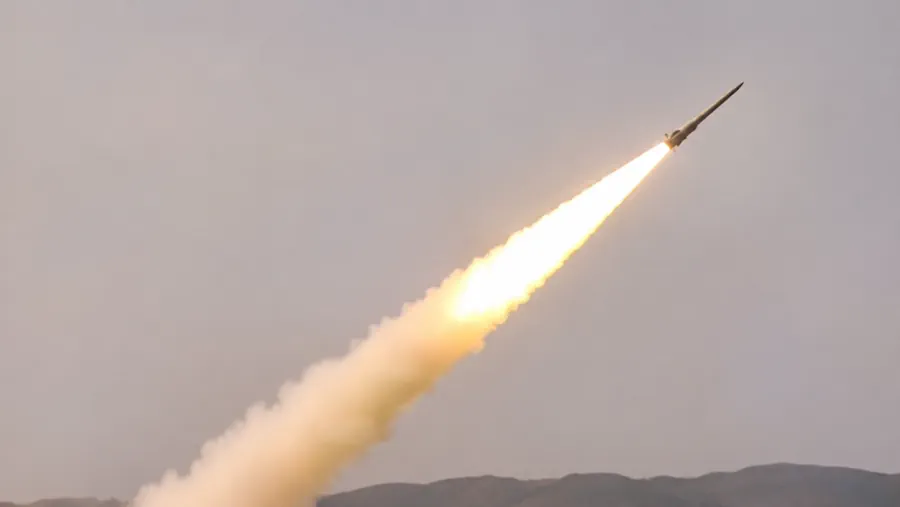
Pakistan Army successfully conducted the launch of the Fatah-3 supersonic cruise missile on Wednesday, November 18, 2026, marking another development in the country’s indigenous defence capabilities, according to the military’s media wing.
The Inter-Services Public Relations (ISPR) announced that the missile is equipped with advanced navigation and propulsion systems, enabling it to engage targets at extended ranges with high precision while travelling at supersonic speeds.
Also Read:
According to the military, the successful launch represents an important step in strengthening Pakistan’s conventional military capabilities and improving the operational effectiveness of its missile systems.
The Fatah-3 has been designed to enhance the operational flexibility and strike range of the Pakistan Army’s Rocket Force Command, providing additional capabilities for long-range precision engagements.
ISPR stated that the missile’s advanced technological features allow it to engage designated targets with accuracy and lethality, contributing to the country’s overall conventional deterrence posture.
The development is particularly significant for the Army Rocket Force Command, which plays an important role in Pakistan’s conventional strike capabilities. The addition of advanced missile systems is intended to improve the command’s ability to conduct precision operations across extended distances.
The military described the successful launch as a further enhancement of Pakistan’s defence preparedness, highlighting the continued development of advanced missile technology to meet the operational requirements of the armed forces.
The launch was witnessed by the Commander Army Rocket Force Command, senior officers of the Pakistan Armed Forces, and scientists and engineers associated with the missile programme.
Their presence reflected the involvement of both military and technical personnel in the development, testing and operational advancement of the country’s missile systems.
Following the successful launch, President Asif Ali Zardari and Prime Minister Shehbaz Sharif congratulated the scientists, engineers and military teams responsible for the achievement.
Chief of Army Staff and Chief of Defence Forces Field Marshal Syed Asim Munir, along with the services chiefs, also extended congratulations to the personnel involved in the missile programme.
According to ISPR, the country’s civil and military leadership appreciated the dedication, technical expertise and commitment demonstrated by the teams contributing to the development of Pakistan’s defence capabilities.
The Fatah-3 launch adds to Pakistan’s continuing efforts to strengthen its conventional deterrence through advanced missile technology, with the Army Rocket Force Command expected to benefit from the system’s enhanced operational flexibility, precision and long-range strike capabilities.