Pakistan Cuts Petrol Price to Rs 338, Diesel to Rs 371 Per Litre in Latest Reduction
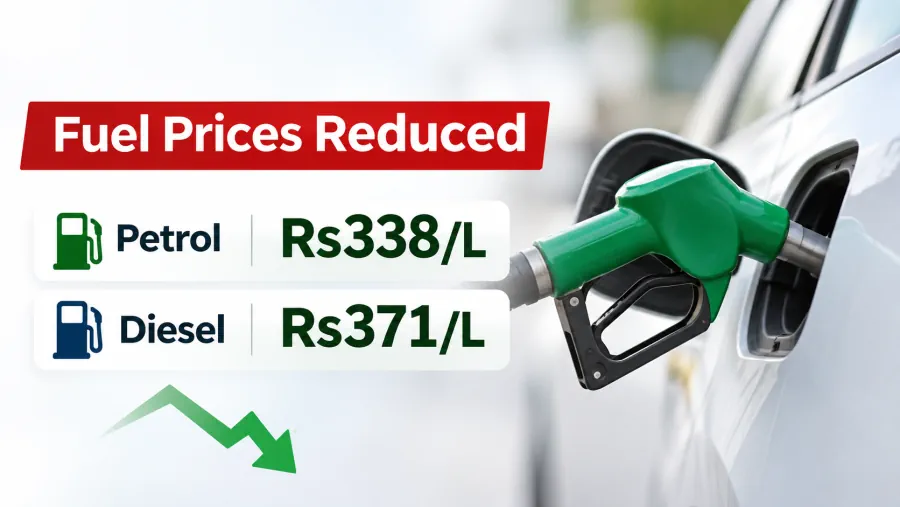
- Petrol prices have been reduced by Rs8 per litre, bringing the new rate to Rs338.
- High-speed diesel is now priced at Rs371 per litre following a Rs7 reduction.
- The revised fuel prices take effect from November 11, 2026, marking the second reduction within a week.
The federal government has announced another reduction in petroleum prices, providing relief to consumers across Pakistan as petrol and high-speed diesel become cheaper for the second time in less than a week.
According to the latest notification issued by the Oil and Gas Regulatory Authority (OGRA) on Tuesday, November 11, the price of petrol has been lowered by Rs8 per litre, bringing it down from Rs346 to Rs338 per litre.
Also Read:
Similarly, the price of high-speed diesel (HSD) has been reduced by Rs7 per litre, with the new rate fixed at Rs371 compared to the previous price of Rs378 per litre.
The revised prices have come into effect from November 11, 2026, replacing the rates that remained applicable until November 10.
The latest adjustment follows an earlier price reduction announced on November 7, when the government lowered petrol prices by Rs6.59 per litre and high-speed diesel prices by Rs4.25 per litre.
With both reductions combined, petrol has become Rs14.59 per litre cheaper, while high-speed diesel has recorded a cumulative decrease of Rs11.25 per litre within a week.
The latest petroleum price revision was announced under the government’s fuel pricing mechanism, which determines domestic petroleum rates through periodic adjustments.
Petrol is widely used in motorcycles, cars and other private vehicles, while high-speed diesel is an important fuel for public transport, commercial vehicles, agricultural machinery and goods transportation.
The reduction in diesel prices is particularly significant for the transport and agriculture sectors, where fuel expenses account for a substantial portion of operating costs. Lower diesel rates may help reduce transportation and agricultural expenses, although any impact on consumer prices will depend on how businesses and transport operators pass on the savings.