KP Governor Forms Eight-Member Commission to Investigate Illegal Gold Mining After Kohat Attack
- Khyber Pakhtunkhwa Governor Faisal Karim Kundi has constituted an eight-member inquiry commission to investigate illegal placer gold mining across the province, particularly in Kohat, Nowshera and Karak.
- The commission will examine allegations of political patronage, corruption, financial irregularities and possible links between illegal mining networks and the November 11 attack in Kohat that killed 10 police personnel.
- Headed by retired Justice Asadullah Khan Chamkani, the commission will investigate financial and environmental losses, identify those responsible and submit its findings to the governor within 45 days.
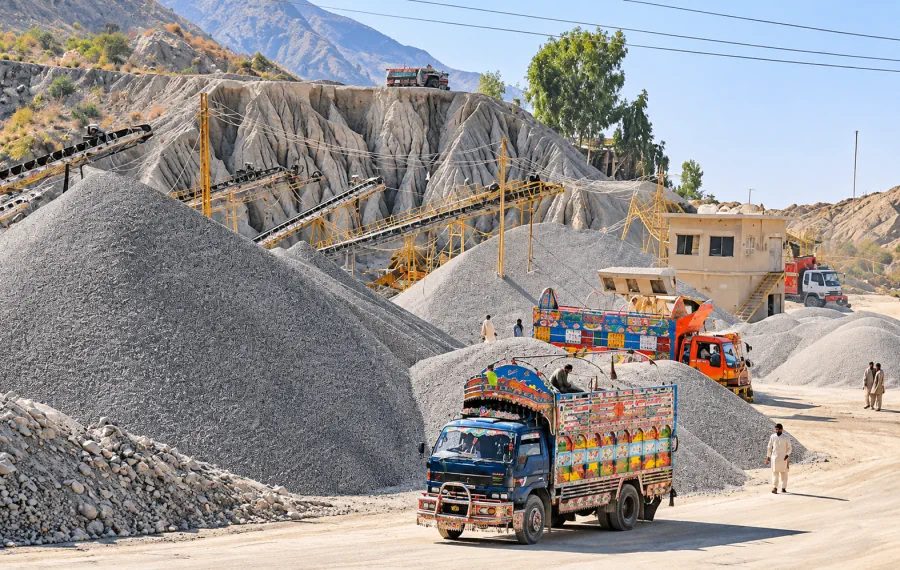
Khyber Pakhtunkhwa Governor Faisal Karim Kundi has constituted an eight-member inquiry commission to investigate illegal placer gold mining across the province, following a deadly attack on police personnel in Kohat that raised serious concerns over illegal mining operations and their possible links with organised criminal networks.
According to a notification issued by the provincial Home and Tribal Affairs Department on Wednesday, the commission will be headed by retired Justice Asadullah Khan Chamkani and will conduct a comprehensive investigation into illegal gold extraction, alleged corruption, official negligence and the possible involvement of influential individuals and institutions.
Also Read:
The commission includes Barrister Mohammad Yaseen Raza, legal adviser/member Sher Akbar Khan, Deputy Inspector General of Police Wasif Rahman, Health Department Additional Secretary Engineer Ziarat Khan and representatives of intelligence agencies.
The inquiry will primarily focus on illegal placer gold mining activities in Kohat, Nowshera, Karak and other affected districts of Khyber Pakhtunkhwa. Investigators have been directed to determine the scale, duration, geographical locations and historical background of unauthorised mining operations.
The commission will identify individuals, groups and networks involved in illegal gold extraction, including those who benefited financially from such activities. It will examine their respective roles, financial gains and possible responsibility for corruption, facilitation, negligence, abuse of authority or failure to perform legal duties.
A major part of the investigation will focus on allegations that illegal mining operations received protection or assistance from political figures, elected representatives, government officials, law enforcement personnel or other influential individuals.
The commission will determine whether any individuals or institutions deliberately failed to enforce the law, interfered with official action or provided direct or indirect protection to illegal mining networks.
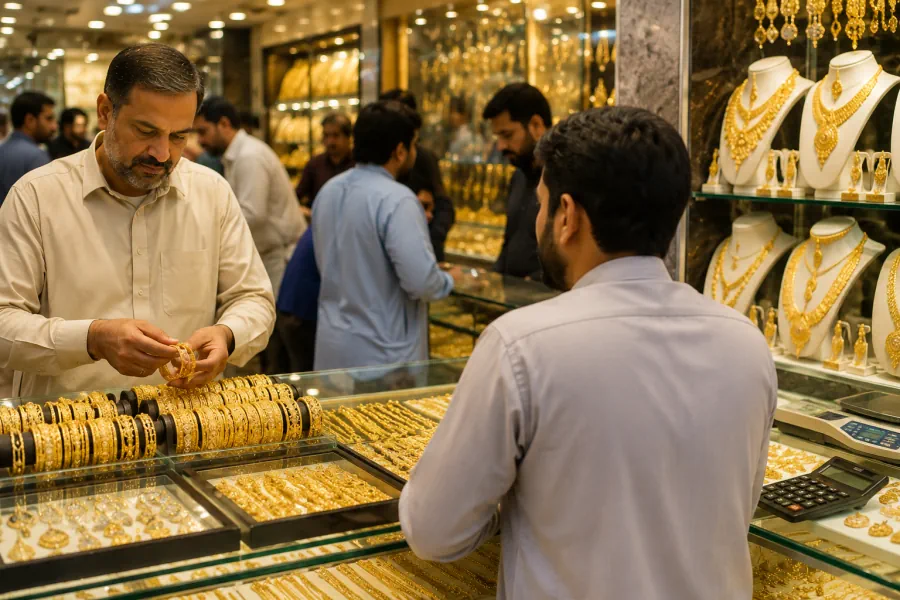
It will also investigate the financial aspects of illegal gold mining, including the estimated quantity and market value of gold extracted without authorisation and the resulting losses to the provincial and national exchequers.
Investigators will examine the movement of money generated through illegal mining, including possible money laundering, smuggling and financial connections with organised criminal groups, terrorist organisations or terrorist financing networks.
The commission has been directed to review the performance of relevant government departments, district administrations and police authorities responsible for monitoring mining activities and enforcing applicable laws.
This review will include the supervision of mining leases, compliance with lease conditions, enforcement operations, registration and investigation of criminal cases, prosecution of offenders and the handling of confiscated machinery, gold and other property.
Authorities will also investigate why illegal mining continued or repeatedly resumed despite complaints, government instructions, enforcement operations and criminal proceedings.
The inquiry will determine whether these failures resulted from administrative negligence, deliberate inaction, political interference or assistance provided by individuals responsible for implementing mining regulations.
The commission has also been assigned to investigate the circumstances surrounding the deadly November 11 attack on police personnel in the Gumbat area of Kohat district.
Ten police personnel were martyred when a police team came under attack while returning from an operation against individuals involved in illegal placer gold mining along the Indus River. Eighteen terrorists were also killed during the incident.
The commission will examine whether illegal mining networks had any connection with the attack, including possible involvement in its planning, financing, facilitation or logistical support.
It will also investigate any operational or security lapses that may have contributed to the incident. The notification specifies that this aspect of the inquiry will proceed without affecting ongoing criminal investigations.
The attack occurred shortly after the Kohat district administration introduced restrictions aimed at preventing unauthorised gold extraction.
On November 10, the Kohat deputy commissioner imposed a 60-day ban on parking excavators within blocks C and D of placer gold mining areas and adjoining locations.
The restriction was introduced because excavators could be used for unauthorised gold extraction, raising concerns about the continued presence of heavy machinery near mining sites.
Following the deadly attack, Governor Faisal Karim Kundi announced a province-wide ban on gold mining and the revocation of mining leases as part of measures intended to curb illegal extraction.
The newly established commission will also examine previous investigations, official reports, complaints and decisions concerning illegal mining activities.
These include inquiries conducted by the National Accountability Bureau (NAB), the Provincial Cabinet Inquiry Committee (PCIC) and other competent authorities.
Investigators will assess whether recommendations from earlier inquiries were implemented and determine whether newly available evidence requires further investigation.
The commission will have access to a confidential report received from the Prime Minister’s Office through a letter dated August 25, as well as directions issued by the chief secretary on September 8.
Other documents available for examination will include NAB and PCIC reports, relevant provincial cabinet decisions, departmental records, mining lease and auction documents, complaints, first information reports, investigation files and prosecution records.
The commission will also review records concerning the seizure and release of excavators, machinery, gold and other property associated with suspected illegal mining operations.
The investigation will extend to the financial and environmental consequences of unauthorised gold extraction.
Officials will assess losses to government revenue and damage caused to riverbeds, surrounding land and adjoining areas affected by mining activities.
The commission will identify individuals, companies or other entities against whom financial recovery, compensation claims or additional legal proceedings may be justified.
It will also recommend specific action against those found responsible, including criminal investigations, prosecution, departmental disciplinary proceedings and recovery of unlawfully obtained financial benefits or public losses.
Where necessary, the commission may recommend immediate steps to preserve evidence, protect witnesses, secure official records and public assets, and prevent interference with the investigation.
The notification grants the commission authority to examine any individual, record, financial transaction, mining lease, operation or incident relevant to its mandate, regardless of when it occurred or the official position or status of the individuals involved.
The inquiry will not be restricted to any particular government, department, institution, political administration or category of individuals.
The commission will exercise powers available under the West Pakistan Tribunals of Inquiry Ordinance, 1969.
These powers include summoning witnesses, recording statements under oath, requiring the production of documents, receiving evidence, seeking information from individuals and public authorities, and obtaining official records.
The KP Mines and Minerals Development Department has been directed to provide secretarial, administrative and logistical assistance to facilitate the commission’s work.
Under the notification, the commission must submit a comprehensive report to Governor Faisal Karim Kundi within 45 days of its formation.
The report will contain the commission’s findings, supporting evidence, identification of individuals or institutions found responsible, and recommendations for criminal, administrative, financial or other legal action by the relevant authorities.