Islamabad to Become Cashless City by End of 2026 as Government Pushes Digital Payments
- The federal government is working to expand cashless transactions across Islamabad by the end of 2026.
- The initiative aims to encourage digital payments and reduce dependence on physical currency in the federal capital.
- The transition is expected to support Pakistan’s broader efforts to modernise financial services and promote a digital economy.
Islamabad is moving towards becoming a cashless city by the end of 2026 as the federal government advances efforts to promote digital payments and reduce reliance on physical currency in the country’s capital.
The initiative forms part of Pakistan’s wider transition towards a digital economy, with greater emphasis on electronic transactions and modern payment systems.
Also Read:
The target, reported in the November 14, 2026 edition of Dawn, places Islamabad at the centre of efforts to encourage cashless transactions in everyday commercial and financial activities.
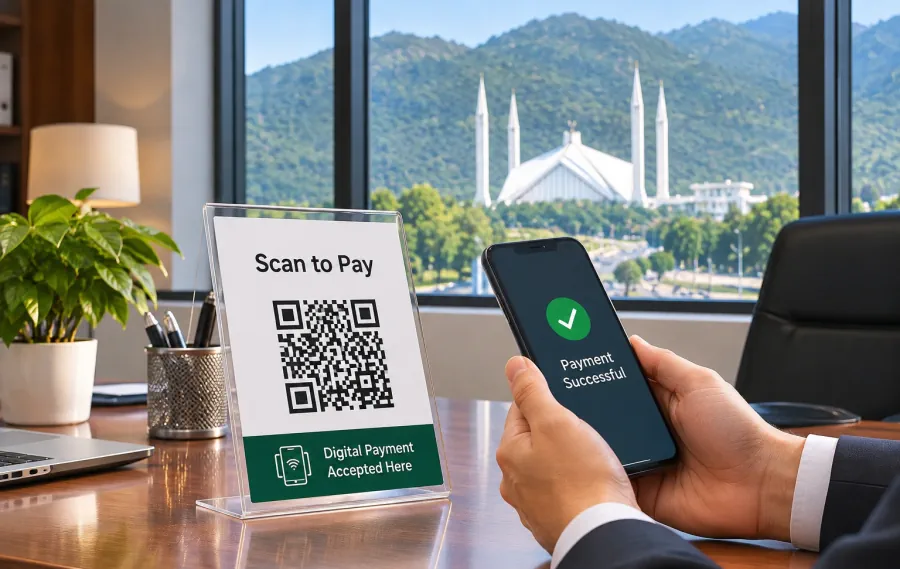
A cashless payment system allows individuals and businesses to conduct transactions through digital channels, including banking applications, mobile wallets, debit and credit cards, and QR-code-based payment services.
Expanding these facilities could make it easier for residents to pay for goods and services without carrying physical cash, while also improving the efficiency and traceability of financial transactions.
Pakistan has already been promoting digital financial services through banking applications, mobile payment platforms and the State Bank of Pakistan’s Raast instant payment system.
Greater adoption of these services in Islamabad could provide an opportunity to assess how digital payments can be integrated into routine commercial activities and public services.
However, achieving a largely cashless environment would require reliable payment infrastructure, widespread merchant participation and convenient access to digital financial services.
Small businesses, retailers, market vendors and service providers would need practical payment options that allow customers to complete transactions quickly and securely.
Public awareness and confidence in digital payment systems would also be important, particularly among consumers who remain accustomed to cash transactions.
The transition could help reduce the need for physical cash handling and improve transaction records, although its effectiveness would depend on accessibility, cybersecurity safeguards and the reliability of banking and telecommunications networks.
The government has set two important deadlines for implementing the project. From December 1, 2026, departments operating under the Islamabad Capital Territory (ICT) administration and the Capital Development Authority (CDA) will stop accepting cash payments. By December 31, authorities aim to bring all merchants across Islamabad into the digital payment system.
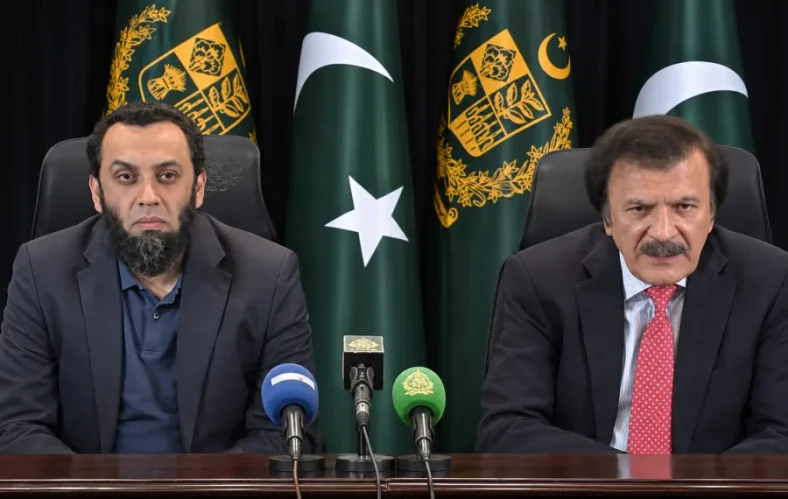
The decision was discussed during a high-level meeting chaired by Minister of State for Interior Tallal Chaudhry. CDA Chairman Sohail Ashraf, representatives of commercial banks and senior government officials participated in the meeting to review implementation progress and the remaining requirements.
Tallal Chaudhry said the initiative was being implemented on the special instructions of Prime Minister Shehbaz Sharif and Interior Minister Mohsin Naqvi. He emphasised that cooperation among government departments, financial institutions and businesses would be essential to achieving the year-end target.
According to the minister, approximately 26,000 merchants in Islamabad have already been connected to digital payment facilities. Authorities are now working to extend the system to remaining businesses, including small retailers, roadside vendors, pushcart operators and major commercial establishments.
The government’s plan places particular emphasis on QR-code-based payments, allowing customers to pay directly through supported banking applications and digital wallets. The system is intended to make electronic transactions accessible to businesses of different sizes without requiring every merchant to install expensive payment equipment.
Digital payments have already been introduced at several public facilities across Islamabad, including weekly bazaars, the CDA One-Window Facilitation Centre, metro bus services and electric buses.
Authorities are also expanding QR-code payment facilities to shopping malls and Class-III commercial markets throughout the federal capital.
The next phase will cover hotels, guest houses, restaurants and petrol stations, bringing more everyday transactions within the digital payment network.
Commercial banks have been directed to play an active role in encouraging adoption. Tallal Chaudhry urged banks to launch awareness campaigns and provide discounts and other incentives to shopkeepers, traders and consumers using Raast QR payments.
The government is also introducing complementary digital services, including M-Tag and digital parking facilities, as part of efforts to modernise Islamabad’s transport and urban infrastructure.
Officials believe the transition will strengthen financial transparency, improve tax monitoring and create more reliable transaction records across the city’s commercial sector.
Prime Minister Shehbaz Sharif has also directed relevant authorities to prepare clear implementation plans and time-bound targets for expanding digital payments nationwide. The government expects payments in most federal and provincial institutions to be digitised by December 2026.
Banking sector representatives attending the Islamabad meeting welcomed the initiative and assured the government of their cooperation in achieving the planned transition.