Imran Khan Writes to Three Chief Justices, Raises Serious Concerns Over Health and Prison Conditions
- Former prime minister Imran Khan has written an open letter to the chief justices of the Supreme Court, Federal Constitutional Court and Islamabad High Court, alleging political victimisation and violations of his fundamental rights in Adiala Jail.
- The PTI founder claims he is confined for up to 22 hours daily, has been denied regular family and legal meetings, and faces serious health risks after his blood pressure reportedly rose to 193.
- Khan has requested urgent judicial intervention to ensure proper medical treatment, access to his family and lawyers, improved prison conditions and fair legal proceedings.
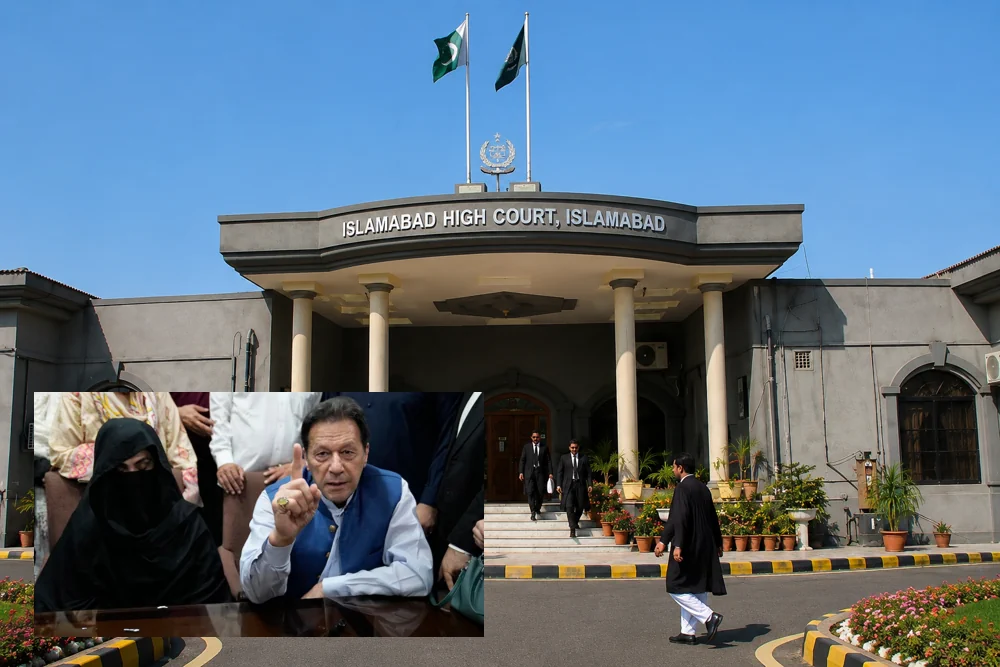
Former prime minister and Pakistan Tehreek-e-Insaf (PTI) founder Imran Khan has appealed to the country’s superior judiciary for immediate intervention over his health, treatment in prison and alleged violations of his constitutional rights, raising concerns about prolonged solitary confinement and restrictions on contact with his family and legal representatives.
Open Letter of Mr Imran Khan for kind consideration of Hon Chief Justice’s of Pakistan. Humanitarian Plea for Medical Treatment & Shift to Hospital – Voice From Behind the Prison Walls of Adyala. https://t.co/bIqBxqGuX9— Barrister Salman Safdar (@BrSalmanSafdar) November 16, 2026
In an open letter written from Rawalpindi’s Adiala Jail, Khan addressed the chief justices of the Supreme Court of Pakistan, the Federal Constitutional Court and the Islamabad High Court, urging them to take notice of his circumstances and ensure that his fundamental rights are protected.
Also Read:
The former prime minister alleged that his physical and mental health had deteriorated because of prolonged isolation, inadequate medical attention and restrictions imposed by prison authorities.
He called on the judiciary to uphold the rule of law and ensure that he receives treatment in accordance with the Constitution and applicable legal protections.
At the beginning of his letter, Khan explained that he was attempting to make his concerns heard beyond the walls of his prison cell, describing the communication as an appeal to the country’s highest judicial authorities.
He maintained that the judiciary had a responsibility to safeguard fundamental rights and prevent the misuse of state authority, particularly in cases involving individuals held in custody.
The PTI founder alleged that a campaign of political victimisation against him had intensified after he turned 70, claiming that his imprisonment was accompanied by increasingly restrictive conditions.
According to Khan, he is being kept in solitary confinement for as long as 22 hours each day, with limited opportunities for interaction with other people.
He claimed that the prolonged isolation had significantly affected his physical and psychological well-being, raising concerns about the consequences of continued confinement under such conditions.
Khan also complained about restrictions on meetings with his family and legal representatives, alleging that prison authorities had repeatedly prevented him from maintaining regular contact with them.
He stated that he had been permitted to meet his lawyers on only four occasions during the previous year, despite the importance of legal consultations for his ongoing court cases.
The former prime minister further alleged that scheduled weekly meetings with family members were frequently cancelled, preventing him from maintaining consistent contact with his relatives.
He also claimed that authorities had denied him telephone communication with his sons, adding to the difficulties created by his prolonged detention.
According to the letter, access to books and television facilities had also been withdrawn, further restricting his activities during confinement.
Khan described these limitations as violations of his basic rights and argued that the restrictions were contributing to his deteriorating health and well-being.
The former prime minister also raised concerns about the treatment of his wife, alleging that she was being held under similarly restrictive conditions involving solitary confinement.
He urged the judicial authorities to consider the circumstances of both their detentions and ensure that their rights were protected under the law.
A major portion of the letter focused on Khan’s medical condition, with the former prime minister alleging that prison authorities had failed to provide timely medical treatment despite directions issued by the Supreme Court.
He claimed that his blood pressure had increased from 130 to 193, describing the change as a serious warning about his health.
According to Khan, doctors had warned that his condition could expose him to the risk of a brain haemorrhage or heart attack if appropriate medical attention was not provided.
The former prime minister alleged that the required medical transfer and treatment had not been arranged promptly, despite judicial directions concerning his healthcare.
He expressed concern that continued delays could have serious consequences and requested immediate access to appropriate medical facilities and professional treatment.
The medical claims outlined in the letter are Khan’s own account of his condition and have not been independently established through medical records made available with the report.
In addition to his health and detention conditions, Khan raised objections concerning the handling of his pending legal appeals.
He questioned what he described as unusual priority being given to proceedings in the Al-Qadir Trust case, arguing that the appeal was being taken up ahead of other cases that had been pending for longer periods.
The former prime minister maintained that such prioritisation was inconsistent with the principles of fairness and the proper administration of justice.
He urged the judiciary to ensure that his legal proceedings were conducted impartially and in accordance with established judicial procedures.
Khan’s letter also linked his prison conditions with his ability to pursue legal remedies, particularly in view of his allegations that access to lawyers had been severely restricted.
He argued that meaningful legal representation and regular consultations with counsel were essential to protecting his rights during ongoing judicial proceedings.
The PTI founder requested that the chief justices take immediate notice of the issues raised in his letter and intervene to ensure compliance with constitutional and legal protections.
His demands included timely medical treatment, access to essential prison facilities, regular meetings with family members and lawyers, and an end to restrictions he considers unjustified.
He also sought judicial attention to the conditions of his wife’s detention and the handling of his pending appeals.
The letter presents a series of allegations concerning prison administration, healthcare and judicial proceedings. The account provided does not include a response from prison authorities or the government to the specific claims.