Governance Reset Means Reform, Not Disruption, Says Mohsin Naqvi
- Mohsin Naqvi called for constitutional and democratic reforms to restore the effectiveness of Pakistan’s governance system.
- He supported a national dialogue on creating new provinces, saying the final decision should reflect public opinion and political consensus.
- Speakers at the dialogue backed stronger local governments, civil service reforms and new administrative units to improve public service delivery.
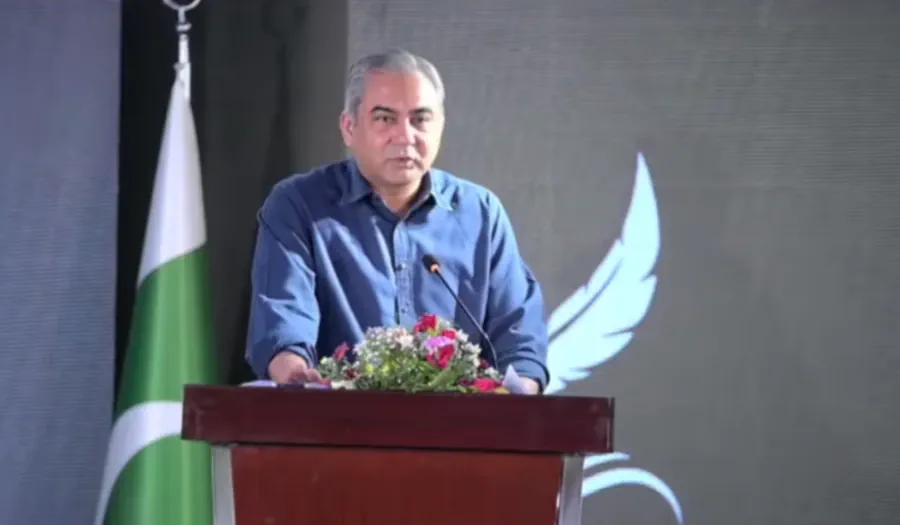
Interior Minister Syed Mohsin Naqvi said on Saturday that resetting Pakistan’s governance system meant correcting its shortcomings rather than derailing or replacing the existing constitutional structure.
Addressing the National Policy Dialogue at the University of Management and Technology in Lahore, Naqvi said the country needed to review its administrative system and restore its effectiveness while remaining strictly within constitutional limits.
Also Read:
He stressed that governance reforms should focus on improving education and ensuring access to essential services, including clean drinking water and healthcare. He said around 55 per cent of Pakistan’s population lacked access to clean drinking water, while approximately two million cases remained pending before the courts.
Naqvi also highlighted the education and nutrition crisis, saying more than 20 million children were out of school and the government had failed to provide nutritious food to four out of every 10 children.
Clarifying his earlier remarks, the interior minister said his proposal to reform the governance system was not directed at any political party or political arrangement. He argued that the country’s administrative structure had lost its effectiveness and was failing to deliver meaningful benefits to the public.
Naqvi said all reforms must be introduced through democratic and constitutional means. He added that political parties should hold detailed consultations instead of rejecting the idea or responding emotionally.
Discussing the creation of new provinces, he said the matter should ultimately be decided by the people. New provinces should be established if the public supported the proposal, but the idea should not be imposed if people opposed it.
He called for a national dialogue to develop political and public consensus, stressing that such a major decision could not be taken by a single individual. Naqvi also expressed personal support for granting Islamabad the status of a province and regretted that the federal capital received no share under the National Finance Commission Award.
The minister said no individual or political party should be able to block the formation of new provinces if the proposal secured public approval and fulfilled constitutional requirements. He rejected the argument that additional provinces would place an excessive burden on the national treasury.
However, Naqvi made it clear that new administrative units should not be created along ethnic lines. He said the objective should be to improve administration, public access and development rather than deepen provincial or ethnic divisions.
Questioning the excessive concentration of authority in provincial capitals, he asked whether bureaucrats sitting in Lahore or other major cities could effectively govern entire provinces. He also questioned why Punjab had not developed another city comparable to Lahore or Khyber Pakhtunkhwa another city matching Peshawar.
Naqvi warned that Pakistan could not continue delaying administrative reforms while its population increased rapidly. He said the country should not wait for the “population bomb” to explode before addressing weaknesses in governance.
He assured participants that Punjab and Sindh would retain their historical and cultural identities even if additional administrative units were created. The decision, he added, should be carefully evaluated rather than taken in haste.
The minister said effective reforms could help Pakistan produce globally recognised mayors such as Zohran Mamdani and Sadiq Khan. He vowed to continue supporting the creation of new provinces even if he no longer held ministerial office.
Referring to Quaid-e-Azam Muhammad Ali Jinnah’s description of provincialism as a bane, Naqvi asked whether opposition to new administrative units contradicted the founder’s vision. He expressed hope that Pakistan would eventually establish new provinces through a constitutional and consensual process.
Federal Minister for Education and Professional Training Khalid Maqbool Siddiqui said Pakistan’s central challenge was a lack of public trust rather than merely a trade deficit.
He said dialogue was the only viable way to resolve the country’s challenges and argued that democracy had little value if its benefits failed to reach ordinary citizens. He also criticised the dominance of political families and said the country’s rulers enjoyed privileges while applying laws according to their interests.
Siddiqui maintained that meaningful reforms required fair financial arrangements, including the National Finance Commission and what he described as a provincial-level financial commission. Without such mechanisms, he said, claims of democratic empowerment would remain hollow.
Federal Minister for Overseas Pakistanis Chaudhry Salik Hussain supported the establishment of new provinces, saying smaller administrative units could improve governance, security and economic management.
He proposed turning every administrative division into a province and said those opposing the idea should explain their objections. According to him, some opponents feared losing their political influence and privileged positions.
Punjab Assembly Speaker Malik Ahmed Khan called for comprehensive civil service reforms, noting that the responsibilities of local and provincial governments frequently overlapped.
He said discussions about reform would remain meaningless without the proper implementation of the Constitution. Sustainable development, he added, would not be possible unless elected public representatives were genuinely empowered.