DRAP Makes 2D Barcodes and Serial Numbers Mandatory for All New Medicines in Pakistan
- DRAP has made 2D barcodes and unique serial numbers compulsory for medicines manufactured from October 9, 2026.
- Pharmaceutical manufacturers and importers must ensure packaging information matches records submitted to the digital Track and Trace System.
- Medicines produced before October 9 are exempt, while companies violating the new regulations may face legal action.
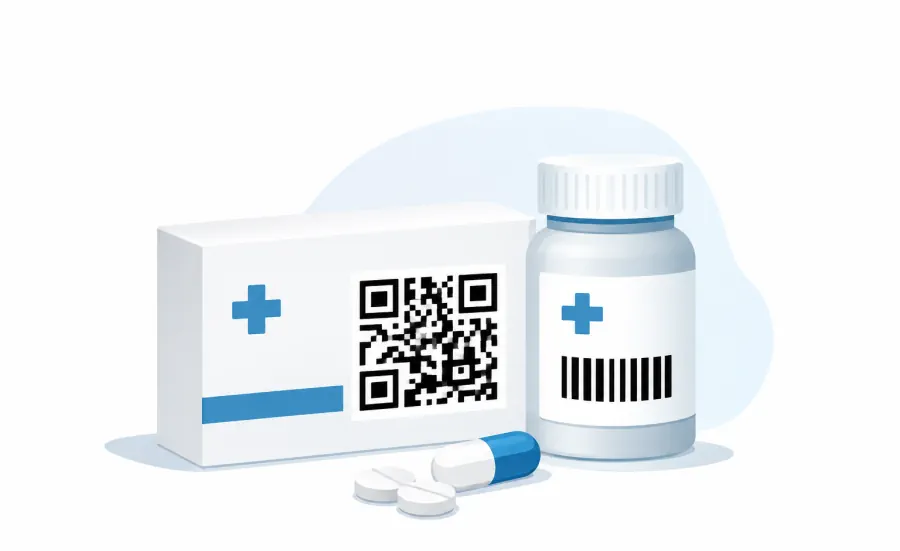
The Drug Regulatory Authority of Pakistan (DRAP) has introduced mandatory barcoding and serialisation requirements for pharmaceutical products, directing medicine manufacturers and importers across the country to implement a digital identification system to improve medicine tracking and strengthen regulatory oversight.
Under the new regulations, all medicines manufactured on or after October 9, 2026, must carry a two-dimensional (2D) barcode on their packaging, along with a unique serial number and other essential product information.
Also Read:
The regulatory authority has instructed pharmaceutical companies operating in Pakistan, including local manufacturers and medicine importers, to comply with the requirements and ensure that all newly manufactured products carry the prescribed identification details.
According to DRAP, the mandatory information includes the medicine’s manufacturing date, expiry date, batch number, retail price and unique serial number. These details will help identify individual pharmaceutical products and allow authorities to verify their information at different stages of distribution.
The initiative is aimed at improving transparency in the pharmaceutical supply chain by making medicines easier to identify, monitor and trace from manufacturing or importation through subsequent distribution channels.
DRAP has also introduced strict requirements for the accuracy of information submitted to its digital Track and Trace System. Pharmaceutical manufacturers and importers must ensure that the details entered into the system correspond exactly with the information printed on the original medicine packaging.
Any difference between the physical packaging and digital records, including incorrect batch information, inaccurate product details, misleading reporting or unauthorised changes to registered information, will be considered a regulatory violation.
The authority has directed companies to maintain accurate records and ensure consistency between the information stored electronically and the details appearing on medicine packs.
To enforce the regulations, DRAP inspectors will carry out inspections at pharmaceutical manufacturing units, importers’ facilities and various centres involved in the medicine supply chain.
During these inspections, regulatory officials will examine selected batches of medicines and compare the identification information printed on their packaging with the corresponding records maintained in the Track and Trace System.
The inspection process will focus on verifying barcode information, serial numbers, manufacturing and expiry dates, batch identification and other required details to determine whether pharmaceutical companies are meeting the prescribed standards.
DRAP has warned that manufacturers, importers and other concerned businesses found violating the requirements could face legal proceedings under the DRAP Act and the Drugs Act.
Legal action may also be initiated against companies submitting false or inaccurate product information, making unauthorised changes to digital records or tampering with medicine identification details.
However, the authority has clarified that the new requirements will not apply retrospectively to medicines manufactured before October 9, 2026.
Pharmaceutical products produced before the implementation date will remain exempt from mandatory barcoding and serialisation, allowing manufacturers, distributors and retailers to continue selling their existing inventories.
DRAP has confirmed that these previously manufactured medicines can remain available in the market until existing stocks are exhausted, without requiring companies to modify their packaging or introduce barcodes retrospectively.
The exemption is intended to allow the pharmaceutical industry to transition to the new identification requirements while ensuring that medicines already manufactured and distributed before the deadline can continue to be supplied through existing channels.