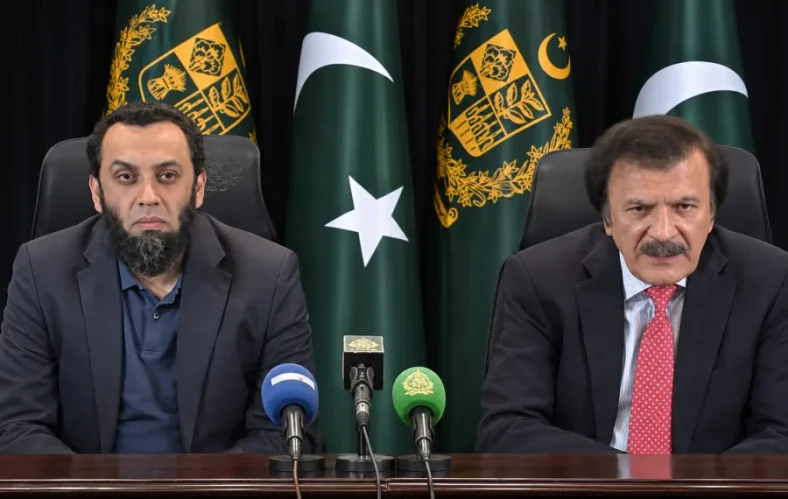
Balochistan Delegation Visits China to Discuss CPEC, Gwadar Port Development and Trade Cooperation
- Pakistani delegation holds high-level meetings with Chinese officials to discuss CPEC, Gwadar Port and stronger bilateral trade relations.
- Foreign affairs expert Muhammad Mehdi highlights Gwadar’s strategic importance and calls for coordinated Pakistan-China efforts to address CPEC security challenges.
- Discussions cover sustainable port development, healthcare projects in Gwadar and opportunities to modernize Pakistan’s maritime infrastructure.
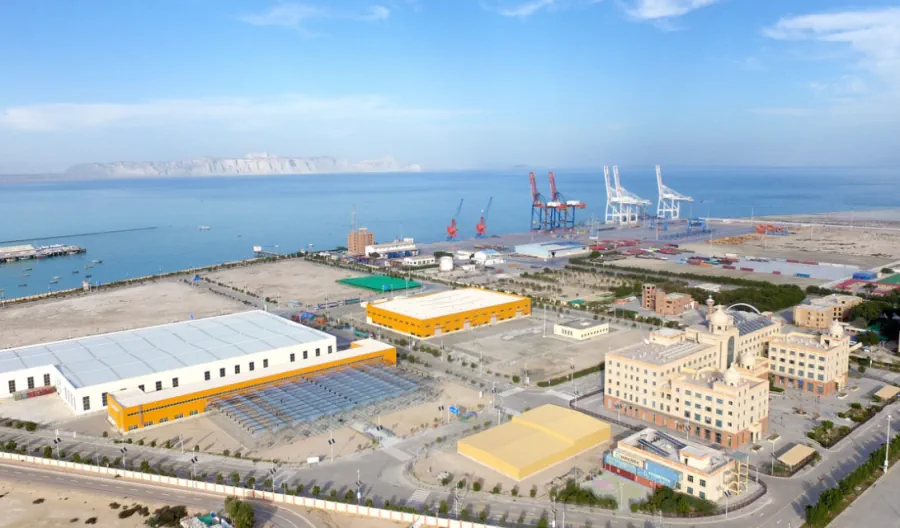
A Pakistani delegation comprising foreign affairs expert Muhammad Mehdi and senior bureaucrats from Balochistan visited China to explore opportunities for expanding economic cooperation, strengthening bilateral relations and accelerating development projects linked to the China-Pakistan Economic Corridor (CPEC) and Gwadar Port.
The visit, arranged by the Chinese Embassy in Islamabad at the invitation of the Chinese government, included a series of meetings in Beijing with senior government officials, academic representatives and business institutions.
Also Read:
The discussions focused on enhancing Pakistan-China economic ties, improving regional connectivity, expanding trade opportunities and strengthening cooperation on infrastructure development, particularly projects associated with CPEC and Gwadar Port.
During the visit, the delegation met Cheng Wei, Counsellor in the South Asia Division of China’s Ministry of Foreign Affairs, and Tianjin Li Xiang, Deputy Director-General at the ministry. The Pakistani representatives also held discussions with Gao Yuqing, Director of the Tianjin International Trade and Shipping Centre.
Engagements with Tianjin University and other Chinese institutions provided further opportunities to exchange views on regional development, commercial partnerships and the future of Pakistan-China cooperation.
Speaking during the meetings, foreign affairs expert Muhammad Mehdi emphasized Gwadar Port’s growing strategic and economic importance, describing it as a potential regional trade hub connecting China with international markets.
He said Gwadar should not be viewed solely as a Pakistani maritime facility, as its geographical location also positions it as an important gateway to West Asia and offers China access to shorter maritime trade routes connecting Europe and Africa.
Mehdi stressed that developing Gwadar’s infrastructure and strengthening its commercial capabilities could create substantial opportunities for trade, investment and regional economic integration.
Addressing security concerns surrounding CPEC projects, he said the situation in Balochistan was gradually improving due to effective measures undertaken by Pakistan’s security forces.
However, he emphasized that both Pakistan and China needed to formulate a coordinated strategy to address security challenges affecting CPEC and ensure the protection of infrastructure projects and related investments.
Mehdi also highlighted the importance of introducing environmentally sustainable technologies into Pakistan’s maritime sector.
He congratulated Chinese officials on the initiative to develop Tianjin Port into the world’s first carbon-free port, describing it as an important advancement in sustainable maritime infrastructure.
Expressing interest in similar developments in Pakistan, he said modern, environmentally friendly port projects could eventually be introduced at Karachi and Gwadar, helping improve operational efficiency while supporting sustainable economic growth.
He maintained that upgrading Pakistan’s ports in accordance with international standards would strengthen the country’s position in regional trade and create additional opportunities for investment and technological cooperation with China.
During the discussions, Gwadar Port Authority Director Qazi Nematullah acknowledged China’s continued support for social welfare and community development initiatives in Gwadar.
He appreciated Chinese assistance in improving local facilities and discussed possibilities for expanding cooperation in the healthcare sector, including the potential establishment of a hospital in the port city.
The proposal formed part of broader discussions on ensuring that infrastructure development in Gwadar is accompanied by improvements in essential public services and the well-being of local communities.
Himal Dashti, representing Gwadar Port Development, also expressed appreciation to the Chinese officials for their engagement with the Pakistani delegation.
He thanked Muhammad Mehdi for presenting a detailed assessment of Gwadar-related issues and highlighting the port’s development requirements, economic potential and strategic significance.
The visit also featured an exchange of cultural gifts reflecting the close relationship between Pakistan and China.
Hayat Murad, representing Pakistan Customs, presented traditional Balochi shawls to the Chinese hosts and Muhammad Mehdi as a gesture of friendship and goodwill.
He also gifted traditional Balochi caps, showcasing the province’s cultural heritage and strengthening the spirit of mutual respect between the two sides.
According to a statement issued following the meetings, the engagements provided an opportunity to review existing cooperation, discuss challenges affecting major development projects and identify potential areas for deeper economic and commercial collaboration.
The discussions placed particular emphasis on the future of Gwadar Port, the strategic role of CPEC, improved maritime connectivity and the expansion of trade and investment partnerships between Pakistan and China.