Ahsan Iqbal Declares Pakistan’s Population Growth a National Emergency, Calls for Joint Action
- Planning Minister Ahsan Iqbal has warned that Pakistan’s rising population growth poses a serious threat to economic development and national resources.
- Pakistan’s population growth rate increased to 2.55% in the 2023 census, reversing an earlier decline to 2.4%.
- The minister proposed linking the NFC Award to development and sustainability indicators while calling for greater investment in girls’ education, women’s empowerment and public awareness.
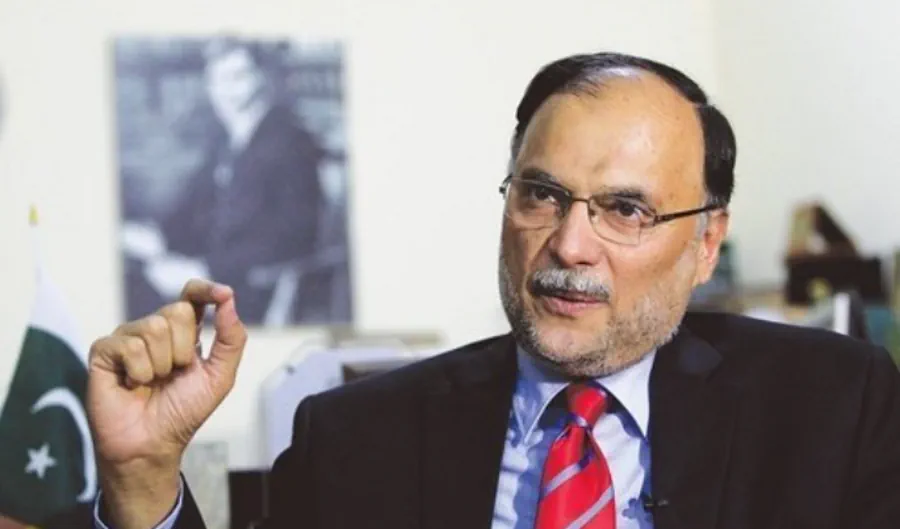
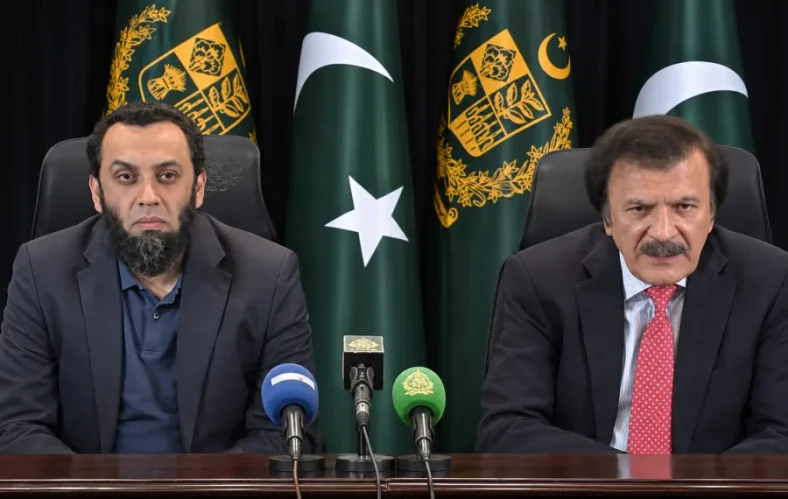
Federal Minister for Planning, Development and Special Initiatives Ahsan Iqbal has declared Pakistan’s accelerating population growth a national emergency, warning that the country’s economic progress and ability to provide essential public services could be severely affected without immediate and coordinated action.
Speaking at the first meeting of the Executive Committee of the National Population Council on Thursday, November 12, 2026, the minister urged federal and provincial authorities to develop a unified strategy to address the growing demographic challenge.
Also Read:
Iqbal expressed serious concern over the reversal of Pakistan’s earlier progress in slowing population growth, pointing out that the country had gradually reduced its population growth rate over several decades before witnessing another increase.
He noted that the population growth rate, which had been declining since 1980, had reached 2.4%, but the 2023 population census recorded an increase to 2.55%.
Describing the situation, the minister said Pakistan had effectively taken its foot off the brake and pressed the accelerator, highlighting the urgency of introducing measures to stabilise population growth.
He warned that continued population expansion at the current pace could undermine economic development, placing additional pressure on public finances, infrastructure and essential services.
Explaining the economic implications, Iqbal said that even if Pakistan achieved annual economic growth of 5%, a population increase of 2.5% would leave per capita economic growth at approximately 2.5%.
This, he explained, meant that a significant portion of the country’s economic gains would be absorbed by population growth, limiting improvements in living standards and household prosperity.
The planning minister also raised concerns about the existing mechanism for distributing financial resources among provinces, describing a potential contradiction between national population management objectives and fiscal incentives.
He pointed out that 82% of resource allocation was linked to population size, a formula that could discourage efforts to reduce population growth by rewarding provinces with larger populations.
To address this issue, Iqbal proposed incorporating development performance and sustainability indicators into the National Finance Commission (NFC) Award framework.
Such reforms, he suggested, could encourage provincial governments to pursue more balanced demographic policies while prioritising long-term development outcomes.
The minister stressed that rapid population growth was creating mounting challenges for Pakistan’s education system, healthcare infrastructure, employment market and provision of basic facilities.
He cautioned that without effective population management, governments would find it increasingly difficult to expand schools, hospitals, employment opportunities and essential infrastructure at a pace sufficient to meet growing demand.
Iqbal further emphasised that population management should not be viewed solely as a healthcare or family planning issue, as its underlying causes and long-term solutions extend across several social and economic sectors.
He identified girls’ education, women’s economic participation and greater public awareness as essential components of a comprehensive national population strategy.
According to the minister, improving educational opportunities for girls and strengthening women’s economic empowerment could contribute significantly to more informed family decisions and sustainable population trends.
He also highlighted the importance of community engagement and changing social attitudes, stressing that effective population policies require cooperation beyond government institutions.
The planning minister called for an integrated national response involving healthcare services, educational institutions, community awareness initiatives and broader social reforms.
He urged federal and provincial governments to work together rather than pursue isolated measures, emphasising that controlling population growth was closely connected to Pakistan’s economic security, sustainable development and the wellbeing of future generations.