Sheikh Hasina Applies for New Passport, Signals Plans to Return to Bangladesh in December
- Former Bangladesh Prime Minister Sheikh Hasina has formally requested a new passport and national identity card to facilitate her return from exile in India.
- Hasina plans to return to Bangladesh in December and surrender before a court, despite facing a death sentence over the 2024 protest crackdown.
- Her potential return could intensify political tensions in Bangladesh while influencing the country’s strained diplomatic relationship with India.
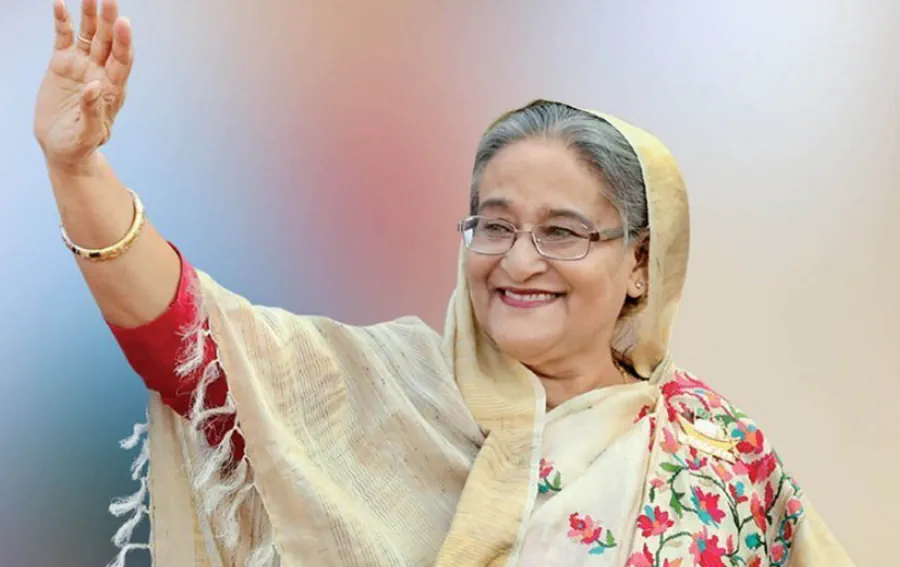
Former Bangladesh Prime Minister Sheikh Hasina has taken her most significant step toward returning home after more than two years in exile, formally requesting a new Bangladeshi passport and national identity card to facilitate her planned return from India.
According to a letter reviewed by Reuters, Hasina submitted the request through her legal representatives on Monday, marking her first formal communication of this nature since fleeing Bangladesh following the mass uprising that ended her government in 2024.
Also Read:
The development comes as the former prime minister prepares to return to Bangladesh in December, a move that could trigger major political and legal developments in a country still recovering from prolonged instability.
Hasina, who governed Bangladesh for approximately 20 years across multiple terms, fled to India in August 2024 after widespread student-led demonstrations escalated into a nationwide movement against her administration.
The protests, which resulted in numerous deaths, ultimately brought an end to her long political dominance and led to significant changes in Bangladesh’s political landscape.
Since her removal from power, Hasina has remained in India, while her political party, the Awami League, has been banned in Bangladesh.
Her planned return comes despite a death sentence imposed against her in November 2025 by Bangladesh’s war-crimes tribunal over her alleged role in ordering a deadly crackdown on protesters during the 2024 uprising.
The former prime minister has consistently rejected the allegations and maintains that she was not responsible for the crimes attributed to her.
In previous remarks to Reuters, Hasina confirmed her intention to return to Bangladesh and surrender before a court to face the legal proceedings against her.
Her aides said on Monday that the precise date of her return would be announced once the necessary administrative and legal formalities had been completed.
The latest development follows concerns over the status of Hasina’s existing travel and identification documents.
In a formal letter addressed to Preeti Rahman, the acting high commissioner at Bangladesh’s diplomatic mission in New Delhi, Hasina’s lawyers requested the issuance of a new passport and National Identity Card (NID).
The legal team, representing the former prime minister through London-based Matrix Chambers, stated that her previous Bangladeshi passport and national identity card had reportedly been revoked by the interim government and other relevant authorities.
The lawyers argued that Hasina remained a Bangladeshi national and was therefore entitled to apply for the necessary identification and travel documents.
They urged the diplomatic mission to process the applications without unnecessary delay, citing her nationality and Bangladesh’s responsibilities under international human rights agreements.
The request represents a formal effort to resolve documentation issues that could otherwise complicate her journey back to Bangladesh.
Neither Preeti Rahman in New Delhi nor representatives of Bangladesh Prime Minister Tarique Rahman in Dhaka immediately responded to requests for comment regarding the application.
Hasina’s potential return is expected to attract considerable attention because of the continuing political divisions surrounding her removal from office.
Before its prohibition, the Awami League was Bangladesh’s largest political party and had dominated national politics for years under Hasina’s leadership.
Following the collapse of her government, several senior party figures were arrested, while others left Bangladesh and sought refuge in India or other countries.
Despite her removal and the legal proceedings against her, Hasina continues to retain support among sections of the Bangladeshi population.
Her return could therefore become a major political development, potentially mobilizing supporters while provoking opposition from groups that participated in the movement that forced her from power.
The situation presents a challenge for Prime Minister Tarique Rahman’s government, which is seeking to restore political stability following more than two years of upheaval and institutional uncertainty.
The former prime minister’s return could also have significant implications for relations between Bangladesh and India.
Diplomatic ties between the two neighboring countries deteriorated sharply after New Delhi provided refuge to Hasina following her departure from Bangladesh in 2024.
Her continued presence in India has remained a sensitive issue in bilateral relations, particularly as political developments in Bangladesh have reshaped the country’s relationship with its regional partners.
A voluntary return could potentially remove one source of diplomatic friction between Dhaka and New Delhi, although the legal proceedings against Hasina and the political response to her arrival could create additional challenges.
For now, Hasina’s legal representatives are awaiting action on her passport and identity card applications, while her aides maintain that the final schedule for her return will depend on the completion of the required formalities.