Pakistan Refineries to Bear Rs15 Billion Monthly Cost to Prevent Petrol Price Hike
- Oil refineries will absorb an estimated Rs 15 billion per month to prevent a Rs15 per litre increase in petrol prices.
- More than 15 million people have registered for the government’s fuel relief scheme, with approximately Rs 27 billion allocated.
- The government says fuel supplies for November are secured, while additional measures are being planned for the winter months.
The federal government has reached an arrangement with Pakistan’s oil refineries to prevent a Rs15 per litre increase in petrol prices, with the companies agreeing to absorb an estimated Rs15 billion in additional monthly costs amid rising international oil prices.
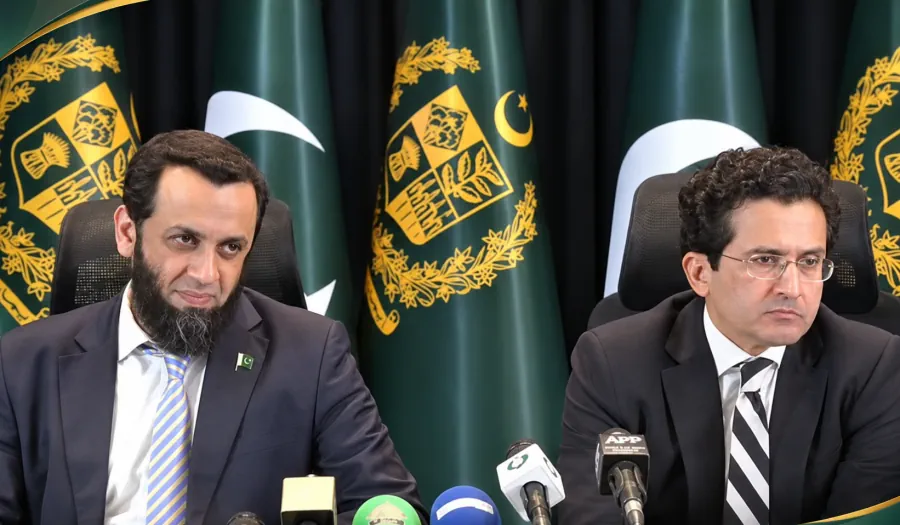
Federal Minister for Petroleum Ali Pervaiz Malik announced the decision during a joint press conference with Information Minister Attaullah Tarar in Islamabad on Monday, saying the initiative followed consultations between Prime Minister Shehbaz Sharif and the country’s oil refining sector.
Also Read:
The petroleum minister explained that increasing global fuel prices, driven partly by the ongoing crisis in the Middle East, had created significant pressure on domestic petroleum prices. Under normal circumstances, these developments would have resulted in a Rs15 per litre increase in petrol prices, which was scheduled to take effect on Friday.
However, following discussions with the government, oil refineries agreed to share the financial burden rather than passing the entire increase on to consumers.
Malik appreciated the cooperation of refinery operators, noting that they had benefited from increased production and processing volumes over the previous three months. The government subsequently requested their assistance in providing relief to consumers during the current period of economic uncertainty.
According to the minister, the arrangement will enable petrol to be sold in Pakistan at a price approximately Rs15 per litre below the level that would otherwise reflect prevailing international market conditions.
He estimated that the financial impact on the refining sector would amount to approximately Rs15 billion every month.
The minister also disclosed that the refinery premium, which stood at $5 per barrel before the international crisis, had been capped at $20 per barrel as part of the government’s measures to manage pricing pressures.
Malik reiterated that the government remained committed to its broader plans for deregulating the petroleum sector and modernising domestic refineries. However, he emphasised that protecting consumers from sudden price increases was the immediate priority.
He said future decisions would be made through consultations with relevant stakeholders, ensuring that measures remained fair to both businesses and the public.
The minister further indicated that the government would consider additional interventions if international market conditions deteriorated. He expressed hope that tensions in the Middle East would ease through a peaceful settlement, reducing pressure on global energy markets.
Speaking at the same press conference, Information Minister Attaullah Tarar confirmed that Prime Minister Shehbaz Sharif had instructed the relevant authorities to work with refineries to prevent higher international petroleum prices from immediately affecting Pakistani consumers.
Tarar also shared details of the government’s fuel relief initiative, revealing that more than 15 million unique users had registered under the programme.
He said approximately Rs27 billion had been allocated so far to support the scheme, which forms part of the government’s efforts to reduce the financial impact of rising fuel costs.
Despite the economic challenges resulting from developments in the Middle East, the information minister maintained that Pakistan’s major macroeconomic indicators had remained largely stable.
Both ministers also dismissed concerns about a possible petroleum shortage in the country, assuring the public that domestic fuel requirements were being met despite uncertainty in international energy markets.
Malik confirmed that Pakistan’s petroleum supply requirements for November had already been fully secured, reducing the immediate risk of supply disruptions.
He added that arrangements for December and January would be reviewed and finalised according to evolving market conditions and domestic demand.
The petroleum minister said the prime minister had directed the relevant departments and authorities to take all necessary measures to maintain uninterrupted fuel supplies throughout the winter season.
Meanwhile, the federal government has also reintroduced austerity measures aimed at limiting fuel consumption and managing the financial impact of higher energy prices.
Under these measures, markets have been directed to close by 9pm, while fuel allocations for official government vehicles have been reduced by 50% for a period of three months.