KP Government Announces Faceless Anti-Terrorism Courts, Rs 70 Billion Funding for Police and CTD
- Khyber Pakhtunkhwa plans to establish faceless Anti-Terrorism Courts (ATCs) to protect judges, witnesses and law enforcement personnel during terrorism trials.
- Provincial government announces Rs 70 billion for police and CTD, alongside plans to expand counterterrorism capabilities and intelligence-based operations.
- Anti-drone systems to be installed in Dera Ismail Khan, Lakki Marwat and Bannu, while 400 police facilitation smart desks will improve public access to services.
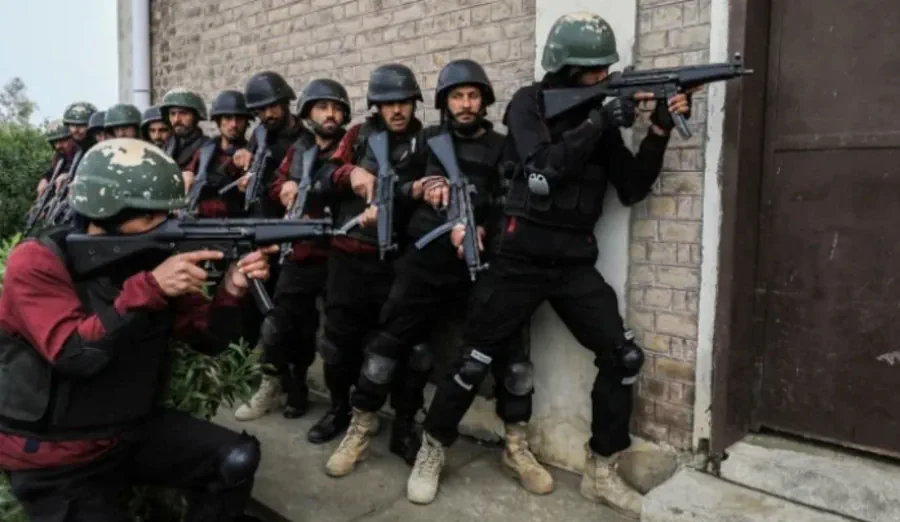
The Khyber Pakhtunkhwa government has announced plans to establish faceless Anti-Terrorism Courts (ATCs) as part of a comprehensive counterterrorism strategy aimed at strengthening security, protecting individuals involved in terrorism trials and improving law enforcement capabilities across the province.
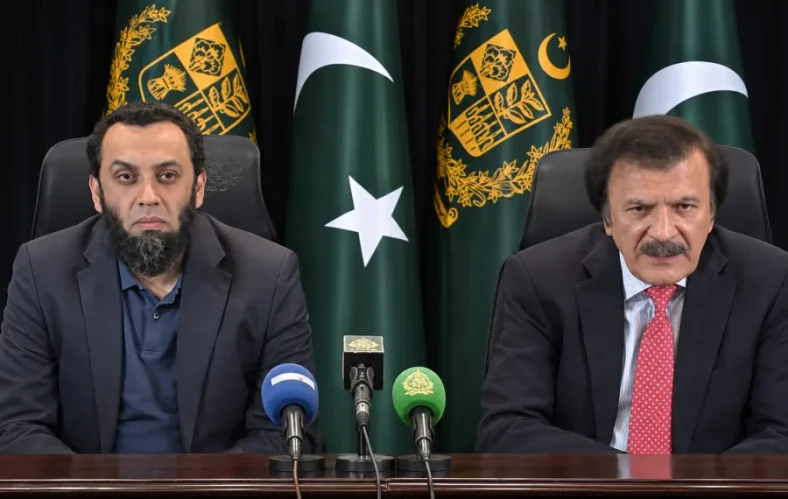
KP Home Secretary Amjad Ali Khan announced the measures during a press conference in Peshawar on Sunday, outlining a series of security reforms, financial allocations and operational improvements designed to address the province’s ongoing terrorism challenges.
Also Read:
Under the proposed judicial system, the identities of judges, witnesses, police officials and other individuals involved in terrorism-related proceedings will remain confidential to minimize threats, intimidation and potential retaliation by militant organizations.
The provincial government is preparing legislation to introduce the new court system, while ensuring that parties involved in the proceedings retain their legal right to challenge decisions before the High Court.
The proposed faceless courts were also discussed during an earlier high-level briefing by the KP Home Department, attended by the provincial governor, advisers, chief secretary, departmental secretaries and senior police officials.
According to the briefing, the initiative is intended to create a safer environment for conducting terrorism trials, particularly in cases where judges, witnesses and law enforcement personnel may face security threats.
Addressing the broader security situation, Home Secretary Amjad Ali Khan said the provincial government had developed a revised strategy to combat terrorism through stronger intelligence coordination, enhanced police operations and improved institutional capacity.
He announced that intelligence-based operations would be intensified across Khyber Pakhtunkhwa, with particular attention given to identifying and arresting individuals suspected of facilitating or providing support to terrorist networks.
The home secretary also revealed that anti-drone security systems were being installed in Dera Ismail Khan, Lakki Marwat and Bannu, three districts where authorities are seeking to strengthen defensive capabilities against emerging security threats.
Highlighting the government’s financial commitments, Khan said approximately Rs70 billion would be provided to the police and Counter Terrorism Department (CTD) during the current financial year.
Of this amount, Rs59.8 billion has been allocated for improving police infrastructure, while Rs10.3 billion has been earmarked for strengthening the CTD and its operational capabilities.
The funding is intended to improve law enforcement resources, modernize security infrastructure and enhance the effectiveness of counterterrorism operations throughout the province.
Khan further disclosed that the government had prepared a plan to increase the CTD’s capacity from its existing level of 12 percent to 37 percent, reflecting efforts to expand the department’s ability to respond to terrorism-related threats.
He also acknowledged staffing shortages within the provincial police force, stating that the current personnel shortfall stood at approximately 15 percent.
The government aims to reduce this shortage to 5 percent through measures intended to strengthen police staffing and improve operational readiness.
During the press conference, the home secretary criticized the previous PTI-backed provincial administration, alleging that it had failed to provide sufficient support for counterterrorism initiatives and the repatriation of Afghan refugees.
According to Khan, the previous government had allocated Rs6.4 billion for 22 districts but released only Rs1 billion, limiting the availability of resources for the intended measures.
He maintained that the federal and provincial governments were now aligned on counterterrorism priorities, allowing for improved coordination and more effective implementation of security policies.
Alongside the proposed judicial and operational reforms, the provincial government has also decided to strengthen community policing and local dispute resolution mechanisms.
Dispute Resolution Councils (DRCs) and liaison committees operating in tribal areas will be made functional and strengthened to improve communication between law enforcement agencies and local communities.
The government also plans to promote the traditional jirga system as part of efforts to facilitate dispute resolution at the community level and encourage peaceful settlement of local disagreements.
In addition, authorities have announced plans to establish 400 police facilitation smart desks across the province to make police services more accessible to the public.
These facilities are intended to simplify the registration of complaints, improve communication with police departments and provide citizens with easier access to essential law enforcement services.
The proposed measures form part of the provincial government’s revised security strategy, combining judicial protections, increased financial resources, expanded counterterrorism operations and community-level policing initiatives.