Govt Raises Petrol Price by Rs3.34, Diesel by Rs5.27 per Litre
- Petrol price increased by Rs3.34 to Rs334.54 per litre.
- High-speed diesel price raised by Rs5.27 to Rs395.69 per litre.
- Kerosene oil becomes Rs4.22 costlier, reaching Rs300.85 per litre.
- New rates are effective for August 19 under the daily fuel pricing mechanism.
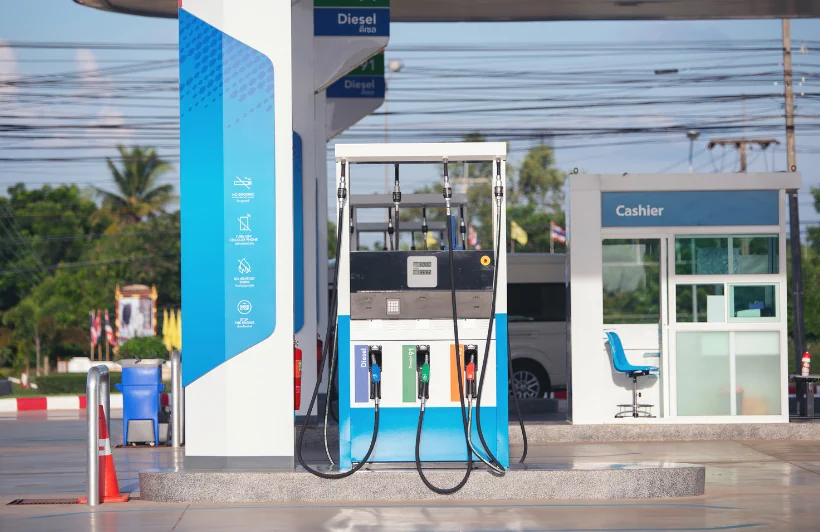
The federal government has increased the prices of major petroleum products, with petrol becoming Rs3.34 per litre more expensive and high-speed diesel (HSD) rising by Rs5.27 per litre under the newly introduced daily fuel pricing mechanism.
According to an official notification, the price of petrol has been increased from Rs331.20 to Rs334.54 per litre. The price of HSD has risen from Rs390.42 to Rs395.69 per litre. The revised rates will remain applicable for August 19.
Also Read:
| Petroleum Product | Previous Price | Increase | New Price |
|---|---|---|---|
| Petrol | Rs331.20/litre | Rs3.34 | Rs334.54/litre |
| High-Speed Diesel | Rs390.42/litre | Rs5.27 | Rs395.69/litre |
| Kerosene Oil | Rs296.63/litre | Rs4.22 | Rs300.85/litre |
Kerosene oil has also become more expensive, with its price increased by Rs4.22 per litre. Following the revision, kerosene will now be available at Rs300.85 per litre, compared with the previous rate of Rs296.63.
The latest adjustment comes as Pakistan moves towards a daily petroleum pricing system. The Oil and Gas Regulatory Authority (Ogra) has started publishing fuel prices every day as part of the government’s efforts to make the pricing process more transparent and reflect movements in international oil markets more quickly in domestic prices.
Petroleum Minister Ali Pervaiz Malik said the daily rates are calculated on the basis of a seven-day average of international petroleum prices. According to the minister, the mechanism is in line with practices followed internationally and is intended to provide a more timely reflection of global price movements.
Pakistan had previously reviewed petroleum prices on a fortnightly basis. However, amid heightened volatility in global energy markets, the government later shifted to weekly reviews before moving to the daily pricing mechanism.
Global oil markets have remained under pressure following renewed tensions in the Middle East. The situation worsened after Israel and the United States launched attacks on Iran on February 28, prompting Tehran to shut the Strait of Hormuz.
The Strait of Hormuz is one of the world’s most important energy routes and, before the conflict, handled around one-fifth of global energy supplies. Any prolonged disruption to the waterway can have significant consequences for international oil supplies and prices.
Concerns over energy supplies have increased further following the collapse in June of a fragile truce between Tehran and Washington. The renewed tensions have raised fears of a wider regional conflict and possible further disruption to energy shipments through the strategic waterway.
With international crude oil markets remaining volatile, domestic petroleum prices may continue to fluctuate under Pakistan’s daily pricing system as changes in global rates are reflected more frequently in prices paid by consumers.