Cabinet Committee Approves Design of Pakistan’s National Integrated Energy Plan 2027–2060
- CCoE has approved the high-level design of the National Integrated Energy Plan 2027–2060.
- The plan will coordinate energy planning across different sectors and federal and provincial institutions.
- It is based on four pillars: Energy, Economics, Equity and Environment.
- The plan aims to improve energy security, affordability and access while expanding local and renewable energy use.
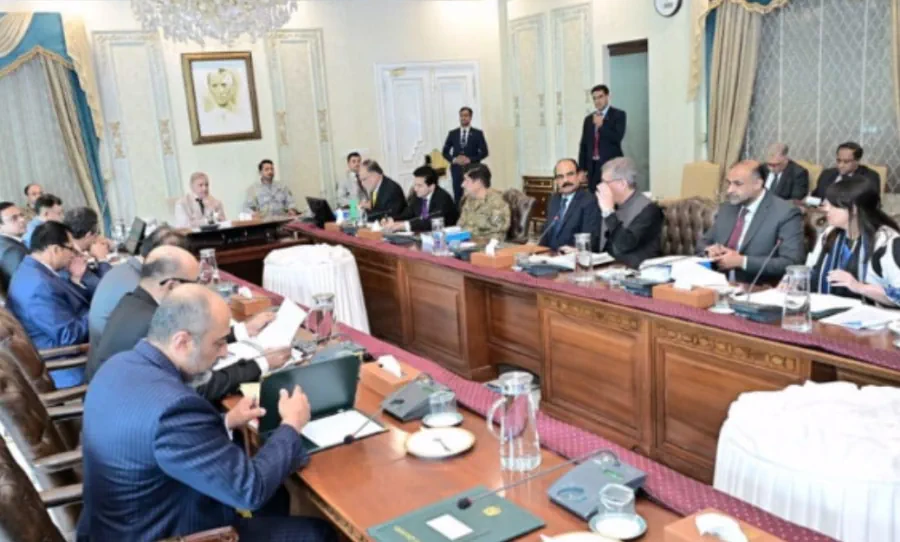
The Cabinet Committee on Energy (CCoE) has approved the high-level design of Pakistan’s National Integrated Energy Plan (IEP) 2027–2060, aimed at developing a coordinated and long-term approach to the country’s energy needs.
The high-level design was presented to the committee by the Ministry of Energy’s Power Division.
Also Read:
The proposed IEP will bring different areas of Pakistan’s energy sector under a single planning framework instead of planning each energy subsector separately. It will also improve coordination between federal and provincial institutions responsible for energy-related policies, infrastructure and investment.
Through this approach, the government aims to make better use of Pakistan’s available energy resources and infrastructure while improving decisions on future investments. Better coordination is also expected to prevent duplication of projects, improve efficiency and help reduce the overall cost of energy.
The National Integrated Energy Plan is based on four main pillars: Energy, Economics, Equity and Environment.
The Energy pillar focuses on developing a secure, reliable and resilient energy system. The Economics pillar aims to make the sector competitive and financially sustainable, while Equity focuses on ensuring that energy remains accessible and that the transition towards new energy sources is inclusive and fair.
The Environment pillar focuses on building a sustainable, low-carbon and climate-resilient energy system while ensuring that future energy development takes environmental concerns into account.
For consumers, the plan is intended to support reliable, affordable and accessible energy supplies. It will also encourage greater use of Pakistan’s indigenous energy resources where they are economically and technically suitable, reducing reliance on expensive imported energy.
The integrated planning framework will support the expansion of renewable energy and the adoption of emerging technologies, including energy storage. Energy security, affordability, universal access and environmental sustainability will be considered together when planning future energy projects and investments.