Sudan Gold Mine Collapse Kills at Least 60, More Feared Trapped
- Survivors say 60 bodies have been recovered after mining shafts collapsed at Al-Zaraa in West Kordofan.
- Miners are searching for those trapped using basic tools, with heavy machinery urgently needed.
- The disaster highlights dangerous mining conditions in Sudan, where gold revenues help finance both sides of the war.
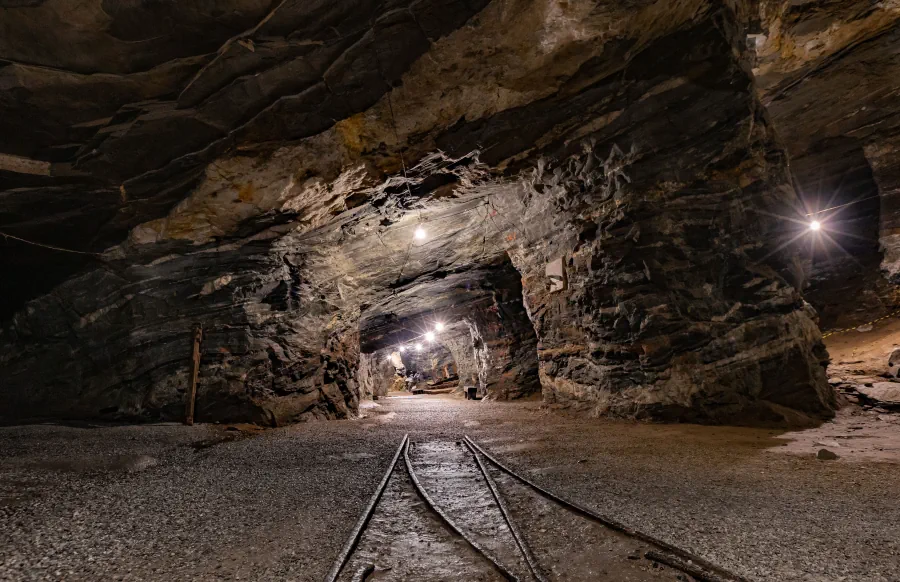
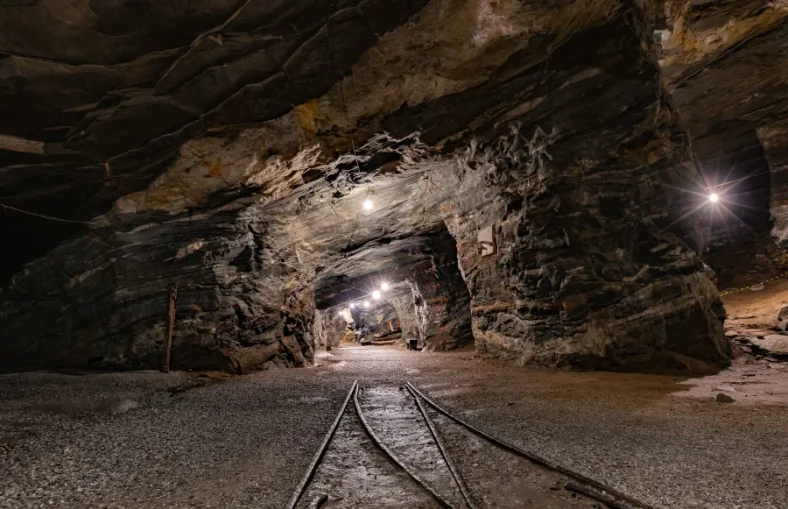
At least 60 people have died after a gold mine collapsed in Sudan’s West Kordofan region, two survivors told AFP on Wednesday, with an unknown number still trapped beneath rock and soil.
The shafts at the Al-Zaraa mine began collapsing on Tuesday while dozens of small-scale miners were underground. Fellow workers continued rescue efforts through the night and had recovered 60 bodies by the following morning.
Also Read:
Khair al-Sayyed Jabara, one of the survivors involved in the search, said rescuers had no clear idea how many people remained inside. Workers were using the same basic tools they normally rely on to extract gold, severely limiting their ability to reach those buried.
Jabara said miners were trying to recover bodies and find anyone still alive, but urgently needed heavy machinery to remove the fallen earth and rock.
Another miner, Al-Amin Suleiman, who was working near the edge of the mine when the collapse occurred, said the shafts were dug close together. When one gave way, neighbouring shafts collapsed with it.
Suleiman confirmed that 60 bodies had been retrieved and said others had remained underground since Tuesday. He expressed little hope that those still trapped had survived.
A major rescue operation is difficult to organise in West Kordofan, which is controlled by the paramilitary Rapid Support Forces (RSF). The group also controls neighbouring Darfur, where it has been accused of genocide.
Although the RSF has declared a parallel government, its capacity to provide services remains limited. Communities across western Sudan largely depend on humanitarian assistance and local support networks to survive.
Mine collapses are frequent in Sudan, where much of the gold industry relies on artisanal and small-scale operations. In army-controlled areas of the north and east, young men enter decommissioned shafts in search of a day’s earnings.
In the resource-rich greater Kordofan region, many unofficial mining sites consist of large, unsecured pits where dozens of workers search for gold each day. Al-Zaraa is among these unregulated operations.
Miners typically work by hand with rudimentary equipment for low daily wages. They also face exposure to hazardous chemicals used to separate gold from earth, including cyanide, which can contribute to widespread illness in surrounding communities.
In July, the European Union banned the sale, transfer and export of mercury and cyanide to Sudan because of their use in the country’s exploitative gold trade.
Sudan’s economic collapse has pushed more young people into dangerous mining work since fighting broke out in April 2023 between the army and the RSF. Gold trading, worth billions of dollars, has become a major source of funding for both sides.
Even before the conflict drove nearly 20 million Sudanese into severe hunger, artisanal mining employed more than two million people, according to industry figures.
Sudan, Africa’s third-largest country and one of the continent’s leading gold producers, reported output of 70 tonnes last year, describing it as a five-year high.
Officials nevertheless say most Sudanese gold is smuggled abroad. Routes pass through countries including Chad, South Sudan and Egypt before the metal reaches the United Arab Emirates, the world’s second-largest gold exporter.
The EU and the United Kingdom announced sanctions targeting Sudan’s gold trade in July. British measures focused on illicit gold and financial networks operating in Dubai and Hong Kong that, according to the UK, help fund arms purchases, military operations and armed groups on both sides of the conflict.
The United Nations has repeatedly warned that both warring parties benefit from control over Sudan’s resources, with the resulting war economy helping to sustain the fighting.