Petrol Price in Pakistan Likely to Drop by Rs 8 Per Litre from November 11
- Petrol prices in Pakistan could fall by approximately Rs8 per litre in the latest government fuel price review.
- International oil prices have declined sharply, with Brent, WTI and Murban crude recording significant losses.
- The proposed reduction remains subject to government approval, with revised prices expected to take effect from November 11.
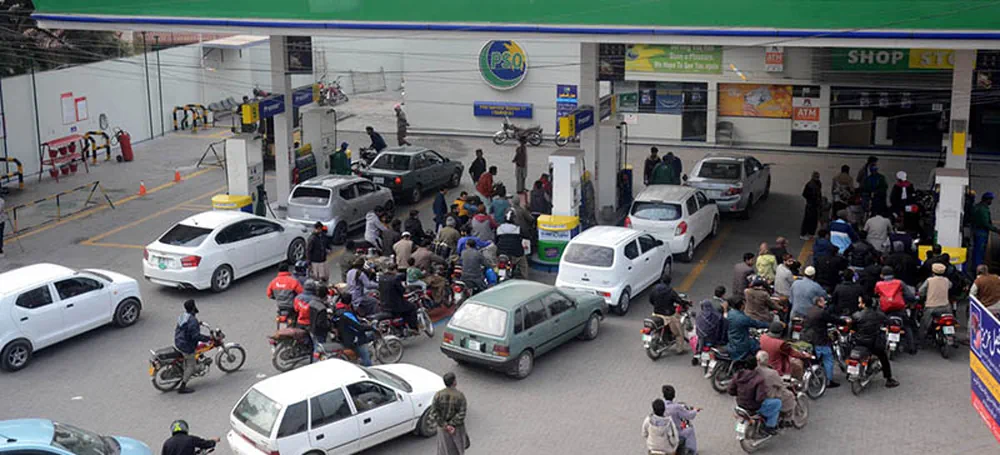
Petrol prices in Pakistan are expected to decline by approximately Rs8 per litre from November 11, offering potential relief to consumers as international crude oil prices continue to fall amid changing global market conditions.
According to a report by 24NewsHD TV on Tuesday, November 10, the government is expected to review domestic petroleum prices later tonight, with a reduction in petrol and diesel rates under consideration following the recent decline in international oil prices.
Also Read:
The anticipated adjustment comes as consumers across Pakistan continue to face high transportation and fuel expenses, making any reduction in petroleum prices particularly significant for households, businesses and transport operators.
Market developments suggest that petrol could become cheaper by around Rs8 per litre, although the exact reduction will depend on the government’s final assessment and official notification.
International crude oil markets have recorded substantial losses, creating expectations that lower import costs could be reflected in domestic fuel prices.
US West Texas Intermediate (WTI) crude fell by 2.48% to $84.70 per barrel, while Brent crude, a major international oil benchmark, declined by 3.11% to $89.65 per barrel.
Murban crude, another important benchmark for oil traded in Asian markets, recorded an even sharper decrease of 7.16%, bringing its price down to $92.07 per barrel.
The decline across these major crude oil benchmarks has strengthened expectations of a downward revision in Pakistan’s petroleum prices.
Pakistan relies heavily on imported crude oil and refined petroleum products, making domestic fuel costs sensitive to changes in international energy markets.
A sustained decline in global oil prices can reduce the cost of petroleum imports, potentially allowing authorities to lower prices for consumers.
However, the final retail prices are determined by several factors, including international petroleum rates, exchange rate movements, applicable taxes, government levies and other pricing adjustments.
Diesel prices could also be revised downward in the upcoming review, although no specific reduction has been confirmed.
A decrease in diesel prices would be particularly important for Pakistan’s transportation, agricultural and commercial sectors, where diesel remains a major operating expense.
Lower diesel costs could provide some relief to freight operators and businesses involved in transporting agricultural produce and essential commodities.
The expected petrol price reduction would also benefit motorists and commuters who have been dealing with elevated fuel expenses.
Despite the positive indications from international markets, the anticipated Rs8 per litre reduction remains a projection rather than an officially announced decision.
The government is expected to finalize the revised petroleum prices following its latest review, with any approved changes taking effect from November 11, 2026.