Pakistan worked to keep Iran-US talks alive amid rising tensions, says Naqvi
- Mohsin Naqvi says Pakistan maintained diplomatic engagement despite repeated setbacks in Iran-US negotiations.
- The interior minister credits Asim Munir with opening communication channels and praises Qatar’s support for dialogue.
- He describes the Pakistan-Saudi Arabia-Turkiye defence agreement as defensive and urges stronger cooperation against terrorism.
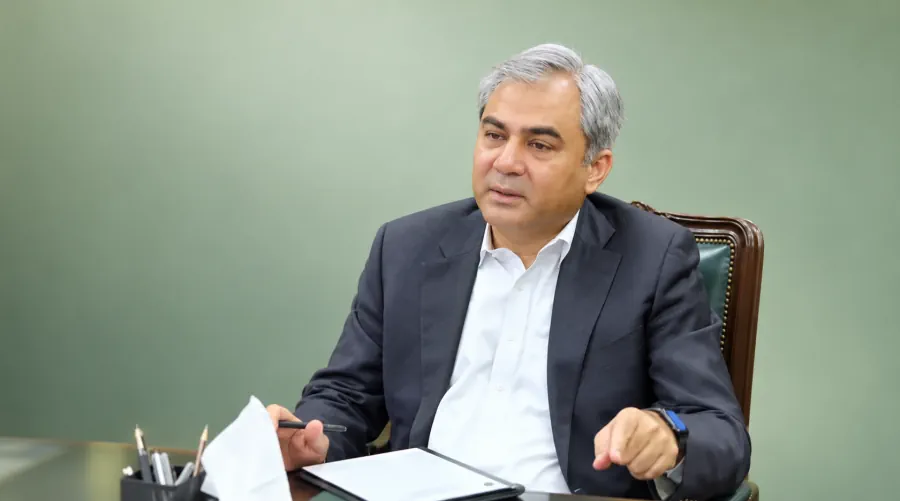
Interior Minister Mohsin Naqvi has said Pakistan worked to keep communication channels open between Iran and the United States during periods of heightened tension, with the aim of preventing a wider regional conflict.
Addressing the Global Security Forum in Doha, Naqvi said Pakistan pursued every available diplomatic avenue to ease the confrontation and sustain negotiations despite repeated setbacks.
Also Read:
He credited Chief of Defence Forces and Chief of Army Staff Field Marshal Syed Asim Munir with playing a significant role in establishing contacts with international leaders and opening opportunities for engagement between Tehran and Washington.
Naqvi said he accompanied the field marshal on visits to Iran and attended meetings with senior Iranian officials. These discussions, he added, were part of Pakistan’s efforts to maintain contact and create conditions in which negotiations could continue.
The minister said the diplomatic process faced several particularly tense moments, but Pakistan remained engaged to ensure that communication did not break down. The central concern, he said, was to stop the confrontation from spreading and spare the region a potentially devastating escalation.
Referring to negotiations hosted by Pakistan in Islamabad in April, Naqvi said the United States and Iran subsequently signed an Islamabad memorandum of understanding in June.
He also recalled a 16-hour negotiating process in Switzerland involving Pakistani and Qatari leaders, describing it as part of the sustained diplomatic efforts to address the dispute.
Naqvi praised Qatar for consistently supporting negotiations and backing initiatives to ease regional tensions. He said Pakistan valued Doha’s contribution to efforts to resolve the Iran-US conflict.
The minister said the countries involved were focused on preventing further confrontation and protecting innocent lives, rather than claiming credit for diplomatic progress.
Pakistan, he added, wanted disputes to be addressed through dialogue before they turned into wars. He stressed that communication must continue even when tensions rise and negotiations become difficult.
Turning to regional security, Naqvi highlighted the Makkah joint defence agreement involving Pakistan, Saudi Arabia and Turkiye. He described the arrangement as defensive, saying its purpose was to strengthen security and defence cooperation rather than encourage military action.
He also called for closer cooperation against terrorism, urging countries to improve intelligence sharing and make coordinated efforts more effective. Naqvi said sustained diplomatic engagement and regional cooperation were essential for lasting peace, warning against allowing communication channels to close during a crisis.