Pakistan urges UN to protect peacekeeping capacity amid reform and funding pressures
- Pakistan warned that temporary financial difficulties should not weaken the foundations of UN peacekeeping.
- Ambassador Usman Jadoon said peacekeeping remains essential to protecting civilians and implementing Security Council decisions.
- He cited consensus on peacekeeping recommendations and a unanimously adopted resolution as evidence of strong international support.
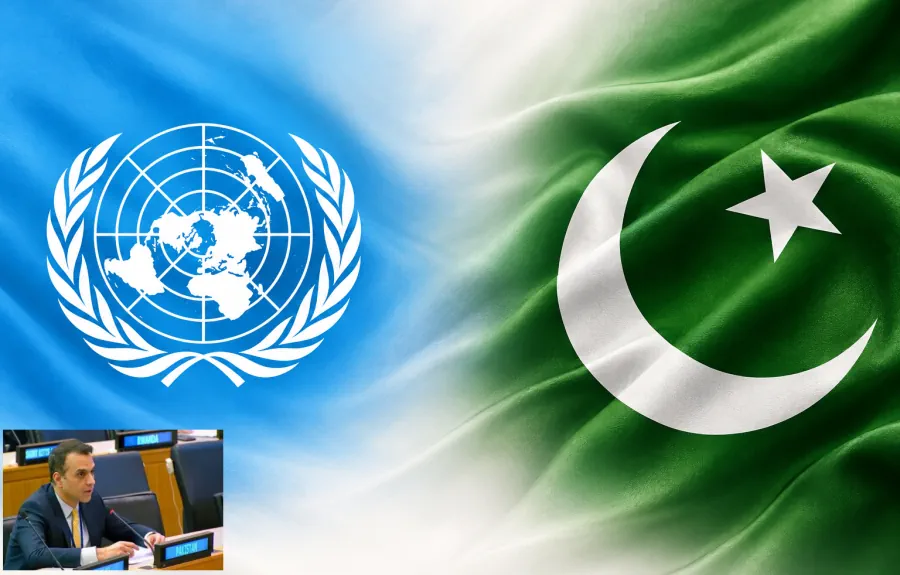
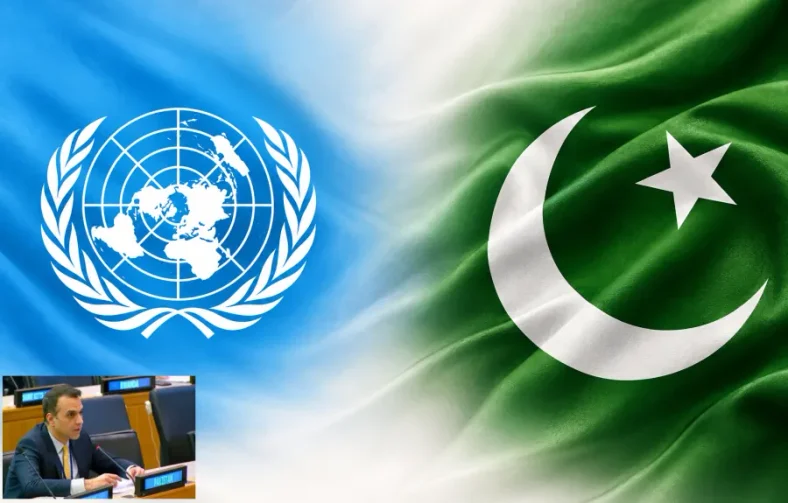
Pakistan has urged the United Nations to preserve its peacekeeping capacity as it considers reforms amid growing global conflicts and severe financial pressures, warning that a temporary funding crisis must not determine the future of peace operations.
Speaking at the Challenges Annual Forum 2026, Pakistan’s Deputy Permanent Representative to the UN, Ambassador Usman Jadoon, said reforms should strengthen peacekeeping rather than erode the institutional foundations that make future deployments possible.
Also Read:
The forum, held under the theme “Turning the Tide: Building Momentum for Peace Operations in a Demanding World,” examined the challenges facing peace operations in an increasingly difficult international environment.
Jadoon said the central concern was preserving the institutional capacity and political trust built over decades, rather than accepting the perception that peacekeeping was in decline. He urged the international community to distinguish the UN’s financial difficulties from the political legitimacy of its peacekeeping work.
Peacekeeping, he said, remained the Security Council’s principal means of translating decisions made in New York into action on the ground. Without a credible capacity to deploy missions, the Council’s ability to prevent escalation, protect civilians and support fragile political processes would be severely weakened.
The ambassador highlighted Pakistan’s longstanding role as one of the world’s largest contributors of troops to UN peacekeeping. Over the past six decades, he said, more than 270,000 Pakistani peacekeepers had served under the UN flag, while 183 had lost their lives in that service.
Pakistan also hosts one of the UN’s oldest peacekeeping missions, the United Nations Military Observer Group in India and Pakistan (UNMOGIP), which monitors the Line of Control in disputed Jammu and Kashmir. Jadoon said this gave Pakistan a perspective shaped both by contributing personnel and by hosting a mission.
Rejecting the assumption that political backing for peacekeeping was weakening, he pointed to the Special Committee on Peacekeeping Operations’ consensus this year on its report and recommendations.
He also cited the unanimous adoption of Security Council Resolution 2823 (2026), advanced by Pakistan and Denmark, which focuses on accountability for crimes against peacekeepers. According to Jadoon, the resolution drew 153 co-sponsors, the highest number for any Security Council resolution in UN history.
He described that support as a clear demonstration of the wider UN membership’s continued commitment to peacekeeping, saying reform should prepare the institution for future challenges rather than “hollow it out” in response to financial pressures that could prove temporary.