Pakistan rejects India’s objections to Indus Waters Treaty arbitration ruling
- Foreign Office says the Court of Arbitration has affirmed that the treaty remains binding on Pakistan and India.
- Restrictions on specified construction work at the Ratle hydropower project will remain until 90 days after the Neutral Expert’s final decision.
- Pakistan says terrorism emanating from Afghanistan has become a “red line”, while welcoming India’s participation in an SCO meeting in Islamabad.
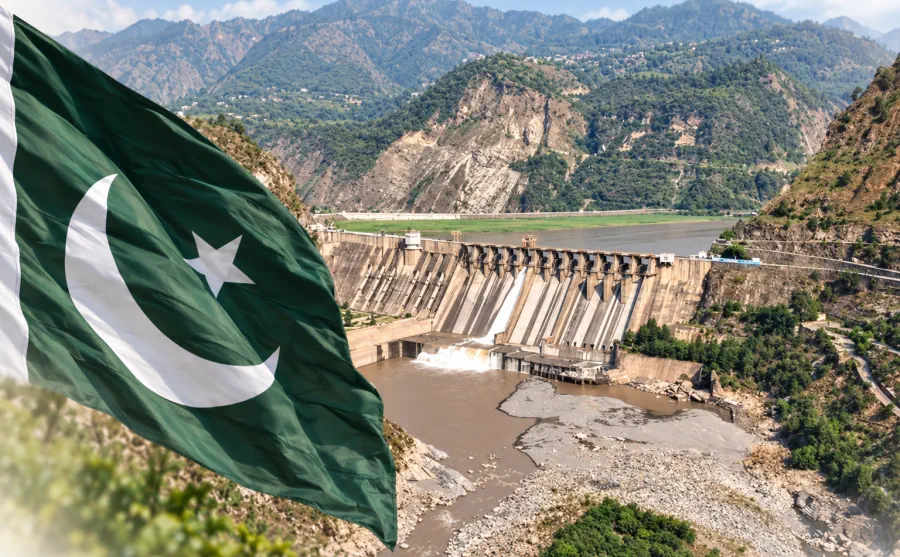
Pakistan on Thursday rejected India’s objections to the Court of Arbitration’s recent award on the Indus Waters Treaty, saying unilateral statements could not free New Delhi from its obligations under the treaty or the court’s binding rulings.
Speaking at the weekly Foreign Office briefing, spokesperson Ambassador Sajjad Haider Khan dismissed India’s description of the court as “illegally constituted”. He said the court had unanimously reaffirmed that the treaty remained in full force and was binding on both countries.
Also Read:
According to the spokesperson, the court also confirmed that India must comply with its treaty obligations governing the design and operation of hydroelectric projects on the western rivers.
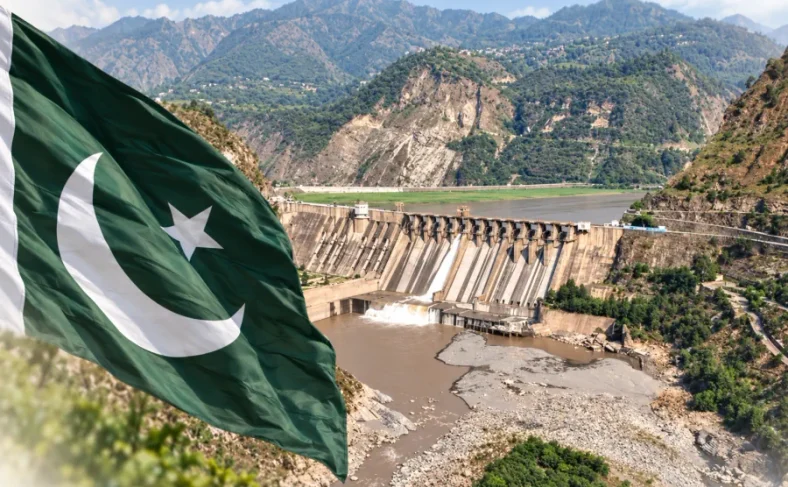
Khan said the court had prohibited India from concreting specified portions of the Ratle Hydroelectric Power Project until 90 days after the Neutral Expert issues a final decision, which is expected around July 2027. The court had also imposed a reporting requirement concerning the project, he added.
He explained that the Court of Arbitration was constituted under the Indus Waters Treaty at the Permanent Court of Arbitration in The Hague and had previously established that its constitution and jurisdiction were consistent with the treaty.
The spokesperson reiterated Pakistan’s support for a rules-based international system, saying dialogue and diplomacy remained the only viable means of resolving regional disputes and securing peace and stability.
Discussing relations with Afghanistan, Khan said Pakistan wanted friendly and cooperative ties with its neighbour. However, he stressed that such a relationship required trust, mutual understanding and respect for each other’s sovereignty.
He said Pakistan’s concerns about terrorism emanating from Afghan territory had become a “red line”, particularly as attacks had spread beyond border areas into deeper parts of Khyber Pakhtunkhwa and Balochistan.
Pakistan remained willing to engage in dialogue, he said, but expected a complete end to the infiltration and activities of terrorist organisations that Islamabad maintains are supported and facilitated from Afghanistan.
On engagement with India through the Shanghai Cooperation Organisation, Khan welcomed the participation of India’s National Coordinator in the recent SCO meeting in Islamabad.