JI demands audit of Rs1.26bn MDCAT fees, independent review of results
- JI has asked PMDC to disclose MDCAT fee spending and independently review the examination and results.
- Monem Zafar called for returning question papers to candidates and retesting the top 100 performers through an impartial third party.
- The party questioned Karachi’s limited examination centres, disputed answer keys and difficult conditions faced by students.
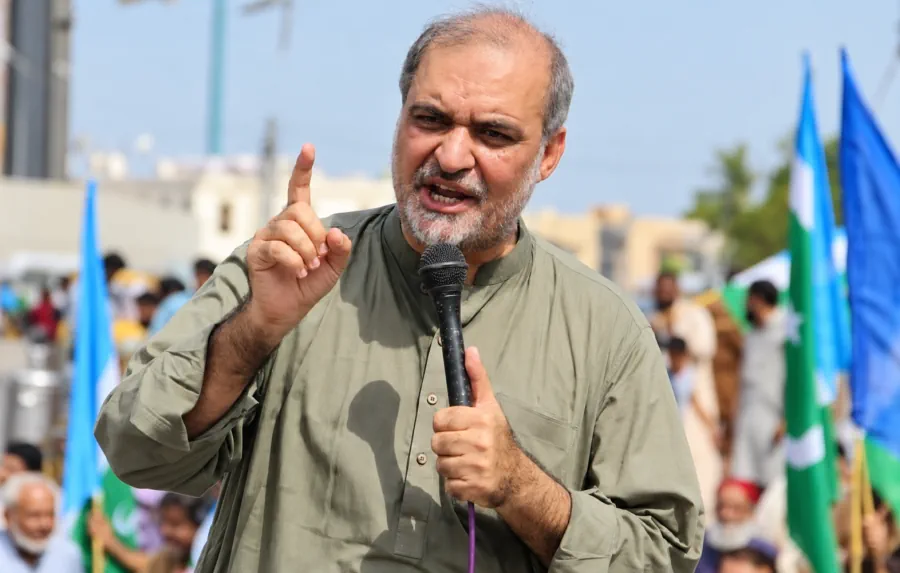
Jamaat-e-Islami (JI) has demanded a detailed audit of approximately Rs1.26 billion collected for MDCAT 2026, along with an independent review of the examination process following complaints about arrangements, answer keys and the transparency of results.
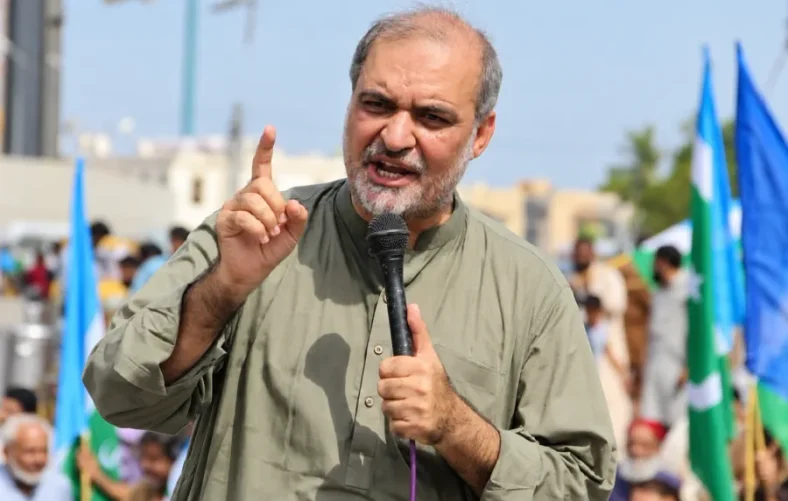
In a letter sent on Friday to Pakistan Medical and Dental Council (PMDC) President Prof Dr Rizwan Taj, JI Karachi chief Monem Zafar urged the council to publish a complete account of registration fees received and explain how the money was spent.
Also Read:
The letter said 138,158 candidates registered nationwide for the medical and dental colleges’ entrance examination held on September 20, 2026. The standard registration fee was Rs9,000, while candidates registering after the regular deadline were charged Rs13,000. According to the letter, the total collection amounted to around Rs1,263 million.
Zafar questioned whether the amount was justified by the examination expenses, particularly given complaints about inadequate facilities and lengthy waiting periods at test centres.
He called for an independent and transparent assessment covering examination arrangements, the preparation and distribution of question papers, the conduct of the test, answer keys and concerns about possible interference with results. He also proposed that the top 100 candidates be retested by an independent and impartial third party.
The letter highlighted objections to answer keys for Biology, Chemistry and Physics, particularly those issued for Paper Codes A and D. Zafar said these complaints and concerns about possible result tampering should be addressed through a fair and transparent review.
He also criticised a decision to take question papers back from candidates after the examination. According to the letter, the instructions were issued only 10 days before the test and represented a departure from previous practice.
Zafar demanded that candidates be given their question papers so they could assess their answers and identify any discrepancies. He argued that withholding the papers raised questions about how students could independently check their performance and how concerns over the accuracy of results would be resolved.
The distribution of examination centres was another major issue raised in the letter. Of the 33,336 candidates registered in Sindh, 9,505 were from Karachi, yet the city had only two centres, both located on University Road.
The letter said concentrating candidates at these locations created unnecessary hardship for students and their families. University Road had already faced years of traffic congestion because of construction work on the BRT Red Line project, while candidates travelling from distant parts of Karachi were required to reach the same two venues.
By comparison, Peshawar had 19 examination centres for 16,722 candidates, while Lahore had six centres for 12,064 candidates, the letter stated. Zafar urged the PMDC to establish more centres in Karachi for future examinations, taking into account both candidate numbers and the city’s geographical spread.
He also questioned the decision to assign responsibility for conducting the examination in Sindh to IBA Sukkur. The letter referred to earlier objections and complaints concerning the institution, including questions about its role in certain examinations held under the Sindh government.
Zafar argued that these concerns warranted scrutiny when assigning responsibility for a test that determines medical college admissions and affects the future of thousands of students.
The letter further criticised the conditions candidates faced on examination day. Students were instructed to report at 6:30am, but the three-hour test began at 10am at some centres and 10:30am at others, resulting in a prolonged wait before the paper started.
According to the letter, some candidates spent seven to eight hours seated in severe heat, with temperatures ranging from 40 to 43 degrees Celsius. It said certain venues used cloth marquees with limited facilities and only a few fans, describing the arrangements as inappropriate and the treatment of students as unacceptable.