Iran reports positive talks with Pakistan, Saudi Arabia and Turkiye in Tehran
- Iran’s security chief described the four-nation discussions as “very good” and said a positive regional atmosphere was emerging.
- Pakistan proposed the meeting, which focused on easing tensions and strengthening regional security cooperation.
- Field Marshal Asim Munir’s visit came less than a week after his previous Tehran trip amid efforts to revive US-Iran negotiations.
Iran has described talks with Pakistan, Saudi Arabia and Turkiye in Tehran as positive, saying the four countries agreed that regional states should take responsibility for their own security and prevent foreign intervention.
The consultations on Monday brought senior Iranian officials together with representatives of the three countries that signed the Makkah Joint Defence Agreement in August. Pakistan proposed the meeting as diplomatic efforts intensified to prevent further escalation in the Middle East.
Also Read:
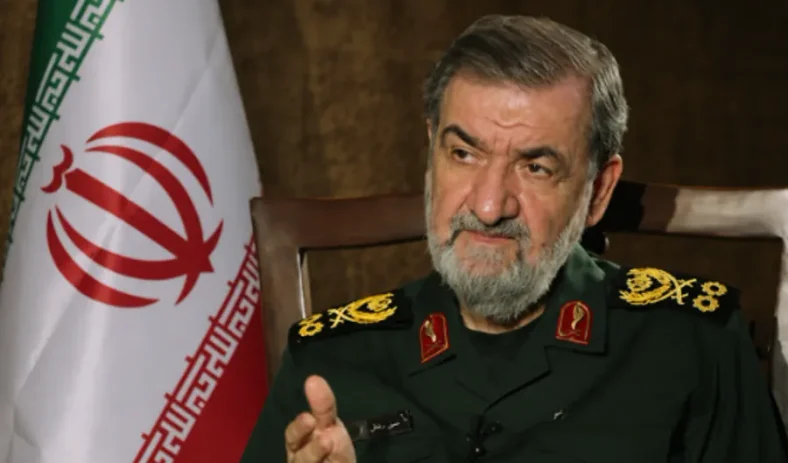
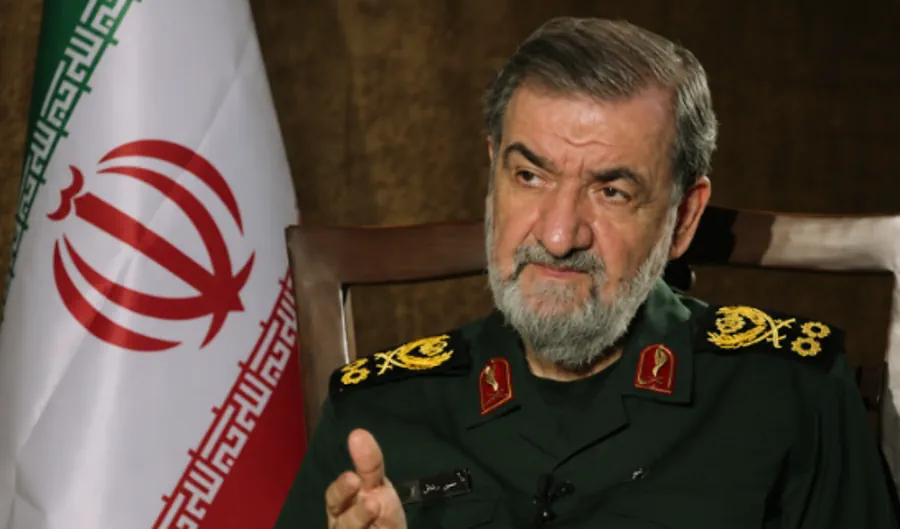
Speaking to Iranian state television after the discussions, Supreme National Security Council chief Mohsen Rezaei said the exchanges had been “very good” and suggested that a more positive atmosphere was developing across the region.
Rezaei said the participants agreed that security should be achieved through the efforts of countries within the region. He also stressed the need to prevent outside intervention.
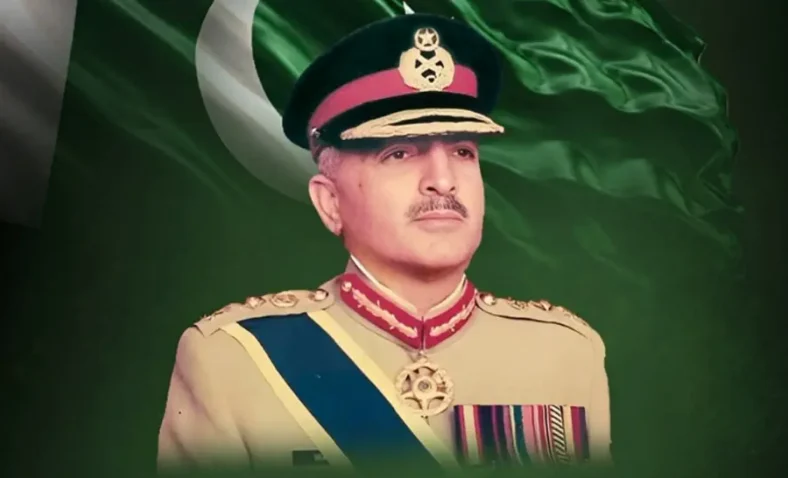
Pakistan was represented by Chief of Army Staff and Chief of Defence Forces Field Marshal Syed Asim Munir. Saudi Defence Minister Prince Khalid bin Salman and Turkish intelligence chief Ibrahim Kalin attended on behalf of their countries. The visiting officials also met Iranian President Masoud Pezeshkian.
Saudi Arabia’s foreign ministry said the meeting sought to reduce tensions between the parties involved in the current crisis. During the consultations, Pezeshkian called for stronger regional unity and a coordinated response to emerging security challenges.
The discussions took place against the backdrop of Houthi attacks on Saudi Arabia and renewed concerns about possible US military action against Iran. Riyadh has accused Tehran of involvement in the attacks, while Iran maintains that Yemen’s Houthi movement makes its own decisions.
US President Donald Trump added to those concerns on Friday when he suggested Washington could launch another operation under the name “Epic Fury”, referring to the US-Israeli military campaign against Iran that began on February 28.
That campaign killed Iran’s former supreme leader, Ayatollah Ali Khamenei, and senior military figures, with the conflict subsequently spreading to other parts of the region.
The Inter-Services Public Relations confirmed Field Marshal Munir’s official visit to Iran in a brief statement but did not disclose details of his engagements.
His arrival came less than a week after an October 20 visit to Tehran, when he met Pezeshkian, Parliament Speaker Mohammad Bagher Ghalibaf, Foreign Minister Abbas Araghchi and Rezaei.
Those discussions explored ways to restart negotiations between Washington and Tehran, although no formal breakthrough was announced. Iranian leaders maintained that the United States needed to take the first steps towards rebuilding trust and said Tehran’s seven-point proposal could provide a basis for renewed talks.
Iranian officials also reportedly reiterated that they would not offer concessions under pressure and expected Washington to honour earlier understandings.
Field Marshal Munir had previously travelled to Tehran on August 24 with Interior Minister Mohsin Naqvi as part of Pakistan’s efforts to overcome the diplomatic deadlock in the US-Iran conflict.
Talks during that visit focused on averting further military escalation, reopening the strategically important Strait of Hormuz and pursuing a negotiated settlement.
Iranian leaders welcomed Pakistan’s efforts to ease tensions and support regional stability. Pakistan’s Foreign Office later clarified that Islamabad had undertaken the engagement in its role as a mediator, rather than on Washington’s behalf.