Former army chief Abdul Waheed Kakar dies at 89 in Rawalpindi
- Gen Kakar helped resolve the 1993 political standoff between President Ghulam Ishaq Khan and Prime Minister Nawaz Sharif.
- His intervention, known as the “Kakar Formula”, led to a caretaker government and fresh elections.
- President Asif Ali Zardari, Prime Minister Shehbaz Sharif and the military leadership expressed condolences.
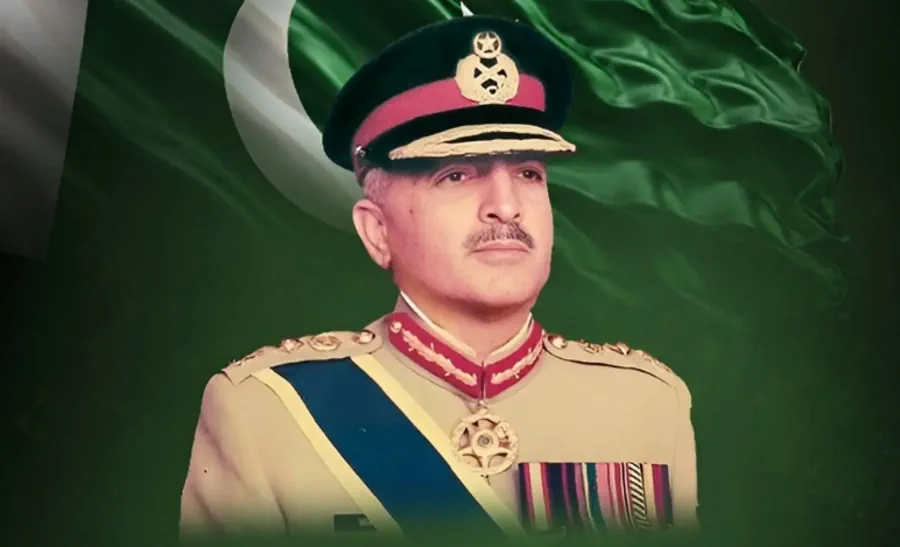
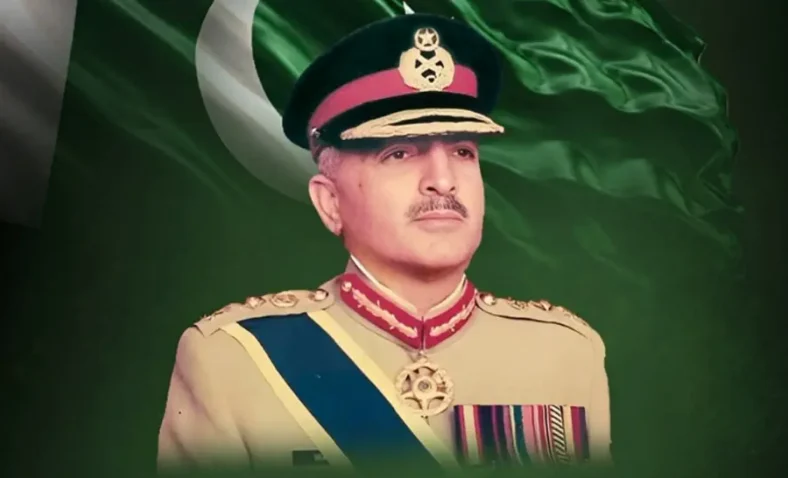
Former chief of army staff Gen Abdul Waheed Kakar (retd), remembered for his role in ending Pakistan’s 1993 political crisis, passed away in Rawalpindi on Monday. He was 89.
Inter-Services Public Relations announced his death, saying Chief of Defence Forces and Chief of Army Staff Field Marshal Asim Munir and all ranks of the Pakistan Army expressed deep sorrow. The military paid tribute to his distinguished career, leadership and services to the country.
Also Read:
President Asif Ali Zardari and Prime Minister Shehbaz Sharif also offered condolences over the former army chief’s passing.
Gen Kakar’s most widely remembered intervention came in 1993, when a confrontation between then-president Ghulam Ishaq Khan and then-prime minister Nawaz Sharif brought government affairs to a standstill and threatened to prolong political instability.
His intervention helped secure the resignations of both leaders, paving the way for a caretaker administration and fresh elections. The subsequent polls brought Benazir Bhutto back to power. The arrangement became popularly known as the “Kakar Formula”.
The episode remains a reference point in discussions about Pakistan’s civil-military relations. Although Gen Kakar played a decisive role in resolving the confrontation, the army did not impose martial law or take direct control of the government. The settlement allowed the dispute to move towards an electoral outcome.
Born in Peshawar on March 23, 1937, Gen Kakar belonged to the Kakar tribe, which has roots in Balochistan. He studied at Edwardes College in Peshawar before beginning his military career.
He was commissioned into the Frontier Force Regiment in October 1959 and served in both the 1965 and 1971 wars with India. During the 1965 conflict, he saw combat in the Chawinda sector. In 1971, he served as a brigade major in the Sulemanki sector.
His career included several command and staff assignments, among them command of the 16th Infantry Division and the position of chief of staff at II Corps in Multan. He also attended the Command and Staff College in Canada and later studied at the National Defence College in Rawalpindi.