Federal cabinet approves KP emergency proposal, sends advice to president
- Cabinet endorses emergency measures in KP and forwards advice to President Asif Ali Zardari for constitutional action.
- Security briefings cite a sharp rise in terrorism, while Shehbaz Sharif says efforts to secure provincial cooperation failed.
- PTI opposes emergency and governor’s rule, warning of threats to the democratic mandate and increased unrest.
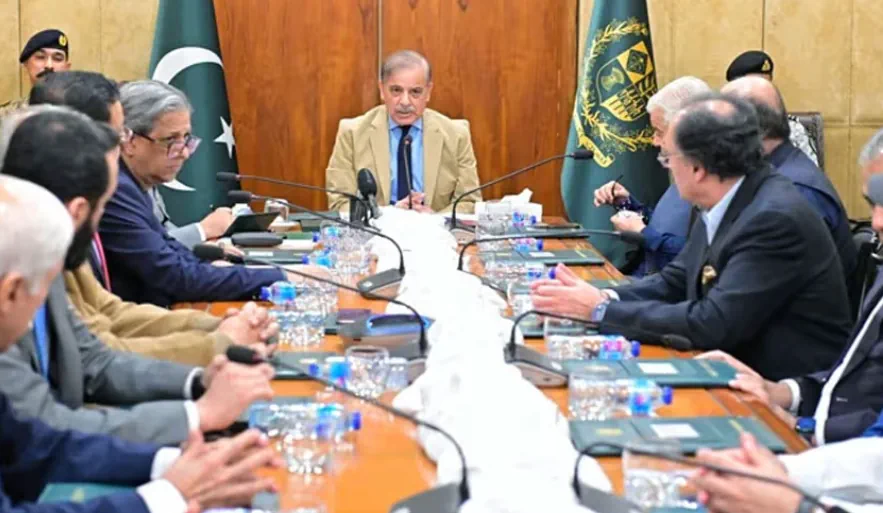
The federal cabinet has approved a proposal to impose an emergency in Khyber Pakhtunkhwa, with the Prime Minister’s House forwarding advice to President Asif Ali Zardari for further constitutional action amid concerns over terrorism and law and order.
Chaired by Prime Minister Shehbaz Sharif, the cabinet endorsed proposals referring to Articles 232 and 234 of the Constitution. According to sources, the discussions also covered governor’s rule and changes to the province’s administrative arrangements.
Also Read:
A formal presidential proclamation or order was awaited in the latest update. The precise scope of the measures and their implementation will depend on the applicable constitutional process and the president’s formal action.
Addressing cabinet members, Shehbaz said the federal government had repeatedly sought an understanding with the PTI-led provincial administration on cooperation against terrorism. He maintained that the government had accommodated its demands but had been unable to secure an agreement.
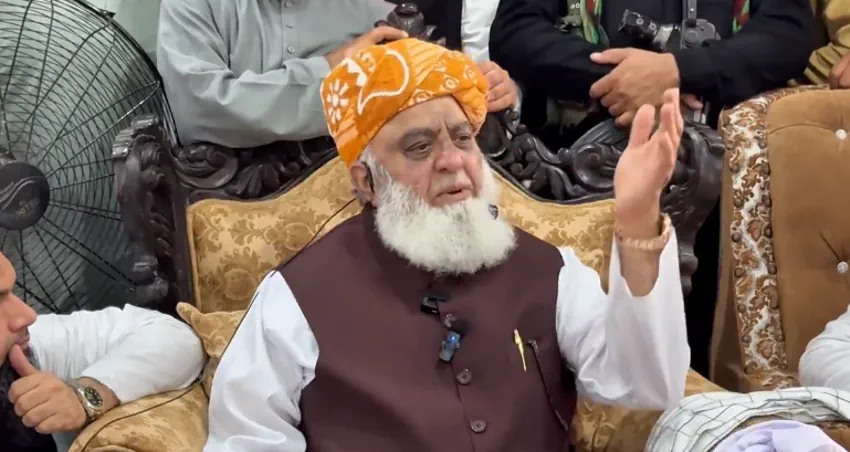
The prime minister said KP could not be left at the mercy of terrorists. He added that the government’s negotiating committee had worked to resolve differences and that Jamiat Ulema-e-Islam-Fazl chief Maulana Fazlur Rehman had also attempted to help the two sides reach an understanding.
Sources said Deputy Prime Minister Ishaq Dar contacted Fazlur Rehman during the cabinet meeting in a further effort to ease tensions before a final decision. Dar also urged the KP government to cooperate with federal authorities against terrorism.
Cabinet members expressed concern over deteriorating security and what they described as the provincial administration’s disengagement from counterterrorism efforts. A proposal to make one final attempt at political engagement through Fazlur Rehman was also discussed before proceeding with further constitutional measures.
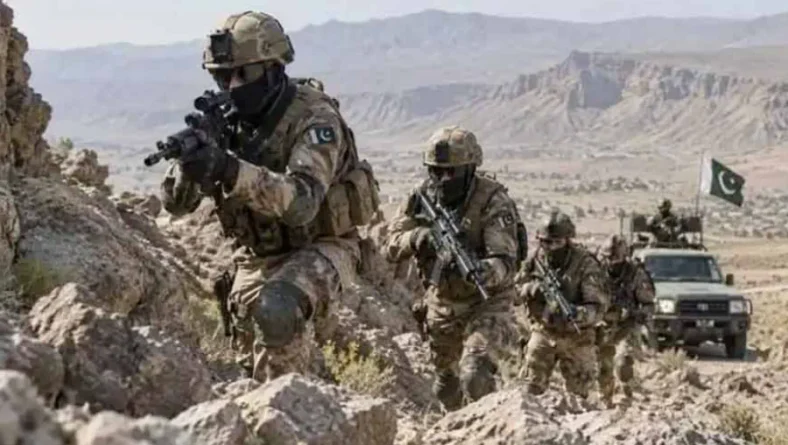
The cabinet received detailed security briefings based on reports from provincial police and sensitive agencies, according to sources. These assessments examined the rise in terrorist attacks over the past two years, the operational strength of law enforcement agencies and gaps in counterterrorism preparedness.
One report cited a 195 per cent increase in terrorist incidents between March 1, 2024, and September 23, 2026. The figures and assessments presented to the cabinet had not been independently verified for this report.
The briefings highlighted the need to strengthen the police, Counter-Terrorism Department and other law enforcement bodies. They identified militant networks, alleged local facilitation and the presence of terrorist elements in Afghanistan as factors contributing to the threat.
Officials also briefed cabinet members on the reported use of drones by terrorist groups, attacks involving improvised explosive devices and shortcomings in security infrastructure.
Under the proposals discussed, emergency measures would extend across KP, with separate administrative arrangements for districts affected by unrest. Sources said the plan included federal control over eight districts of the former Federally Administered Tribal Areas, along with Dera Ismail Khan, Lakki Marwat, Karak and Kohat.
The cabinet also considered assigning Governor Faisal Karim Kundi powers associated with the province’s chief executive under the proposed arrangement.
The proposal invokes two constitutional provisions with distinct purposes and procedures. Article 232 concerns the proclamation of an emergency under specified circumstances, while Article 234 addresses a situation in which a provincial government cannot be carried on in accordance with the Constitution.
The cabinet meeting followed consultations between President Zardari and Prime Minister Shehbaz over KP’s security situation. The forwarding of advice to the Presidency represents a further step in the process, with formal orders expected to establish the extent of any intervention.
PTI, meanwhile, opposed the possible imposition of an emergency or governor’s rule, arguing that such action would undermine the province’s democratic mandate and constitutional rights.
In a statement issued after a joint meeting of its political and core committees, the party warned that governor’s rule would deepen political tensions and fuel public unrest.
PTI said the constitutional rights, security and development of residents of the merged tribal districts must be protected. It also condemned terrorism in all its forms and maintained that effective action against militant violence required consultation with elected representatives and consideration of political parties’ positions.