Centre imposes emergency in KP after talks with PTI fail, says Naqvi
- Naqvi says more than a month of negotiations failed to secure the KP government’s cooperation against terrorism.
- Federal ministers cite worsening security, while alleging links between the provincial administration and militants.
- Governor given administrative powers, with five portfolio holders named for an advisory council described as having 11 members.
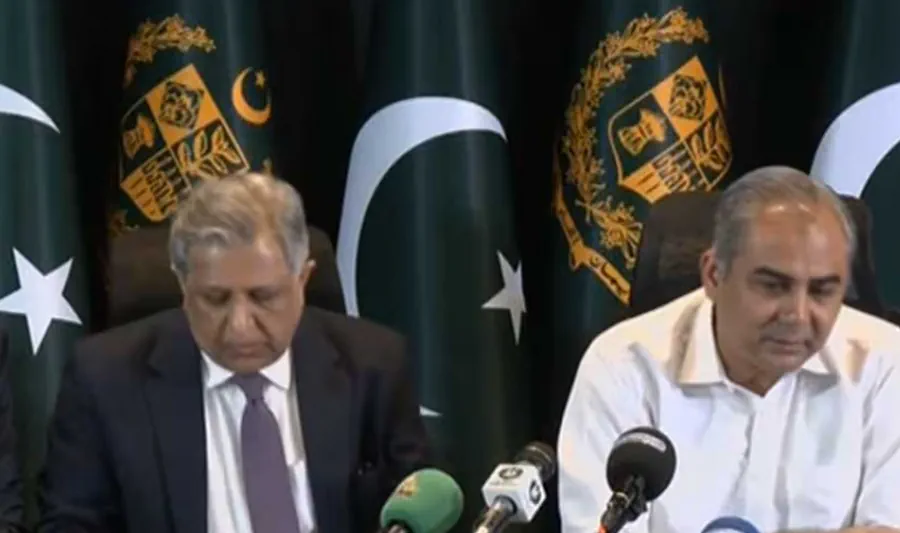
Interior Minister Syed Mohsin Raza Naqvi said on Sunday that the federal government introduced emergency measures in Khyber Pakhtunkhwa after more than a month of negotiations failed to secure the provincial administration’s cooperation in combating terrorism.
Speaking at a joint press conference with Information Minister Attaullah Tarar, Law Minister Azam Nazeer Tarar and Minister of State for Interior Talal Chaudhry, Naqvi said repeated efforts to reach an agreement with the PTI-led government had ended without a breakthrough.
Also Read:
Law Minister Azam Nazeer Tarar said the federal government had delegated administrative powers to the KP governor and constituted an 11-member advisory council. He added that the provincial administration was operating under the governor’s leadership.
According to the law minister, 12 districts were facing conflict, and a secretariat had been established to oversee their affairs and report to the federal government.
Explaining the negotiations preceding the decision, Naqvi said he had personally maintained contact with provincial representatives to bring them on board against terrorism. He maintained that the federal government had addressed demands raised before the announcement of PTI’s long march, while arrangements concerning meetings and medical treatment were also under discussion.
Naqvi said some members of the opposing side themselves appeared unclear about why the march had been announced.
He said a draft agreement had been finalised three times around the period when Prime Minister Shehbaz Sharif was scheduled to leave for New York on September 17. During a fourth round of discussions, the other side requested a further amendment and indicated that it would accept the remaining provisions if that change was made.
The government subsequently settled five or six points, Naqvi said, but another draft was then presented. He added that the provincial chief minister had been informed a day before the emergency announcement that the agreed terms would be accepted in full.
The interior minister said he remained in contact with PTI leaders until 11.45pm on Saturday. Throughout the day, federal representatives asked them to specify the changes they wanted in paragraph four of the draft so those proposals could be considered.
Naqvi said the government had expected one or two amendments to that paragraph. In a final telephone call around midnight, he asked whether there was still a way to reconsider the situation and delay the action planned for the following morning, but received no response.
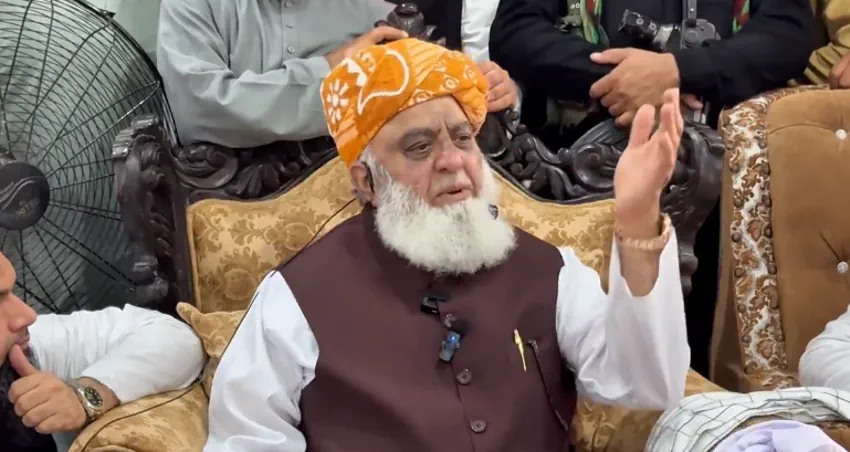
He also detailed mediation efforts by Jamiat Ulema-e-Islam-Fazl chief Maulana Fazlur Rehman, who met the prime minister on Saturday before holding discussions with the Pakistan Peoples Party. Fazlur Rehman later contacted the prime minister again, but the intervention did not produce an agreement, Naqvi said.
The interior minister maintained that the federal government had repeatedly conveyed that it had no objection to a sit-in. Its principal concern, he said, was the security situation and the need for the KP administration to cooperate against militants.
Naqvi criticised provincial leaders for not attending funerals across the country, including occasions when they were present in the same city. He said their speeches reflected a different approach and maintained that the federal government had initiated contact during every round of negotiations.
Information Minister Attaullah Tarar said the federal cabinet had reviewed the situation and expressed concern over alleged links between the PTI-led provincial government and militants.
Citing reports presented to the cabinet, he alleged that militants had been allowed control of police stations in several districts through what he described as subletting arrangements. He further claimed that a power-sharing arrangement was emerging between militants and the provincial administration.
Tarar alleged that those undermining peace had been strengthened rather than restrained. Referring to people injured in the Kohat blast, he said victims had demanded an end to the prevailing situation and questioned why militants were being allowed to operate freely.
He accused the provincial leadership of pushing KP towards destruction. These allegations were presented as the federal government’s position; the supplied account did not include a response from the KP government.
Law Minister Azam Nazeer Tarar said the KP governor had written to the federal government outlining serious concerns and had discharged his constitutional responsibilities.
He cited a 196 per cent increase in terrorist incidents over the past two years, describing it as the most alarming aspect of the security situation. Casualties, injuries and attacks on installations had also increased, he said.
The law minister maintained that the circumstances required collective deliberation and that the federal government and president had exercised their powers within constitutional limits.
He said developments along the border and inside the province were widely known. Another attempt to resolve the dispute through negotiations was made on Saturday, but neither side changed its position, he added.
The government also named five individuals to oversee key portfolios within the advisory arrangement. Former inspector general of prisons Kifayatullah Khan was assigned home affairs, while former Federal Board of Revenue chairman Tariq Mahmood Pasha was given finance.
Aamir Javed, who has previously served as advocate general, was assigned law. Former caretaker provincial minister Dr Syed Aamir Abdullah was named to oversee education, while Nigar Johar, Pakistan’s first woman lieutenant general, was assigned health.