Trump Threatens Oman Over Hormuz Talks, Demands Iran Surrender to End War
- US President Donald Trump has called on Iran to surrender as efforts to secure a permanent end to the conflict remain stalled.
- Trump threatened military action against Oman if it interfered with US objectives amid talks over restoring commercial shipping through the Strait of Hormuz.
- Iran’s IRGC rejected Trump’s claim that Washington was holding back-channel talks with its officials.
- Trump also welcomed the Makkah Joint Defence Agreement between Pakistan, Saudi Arabia and Turkiye, calling it a major step for regional security.
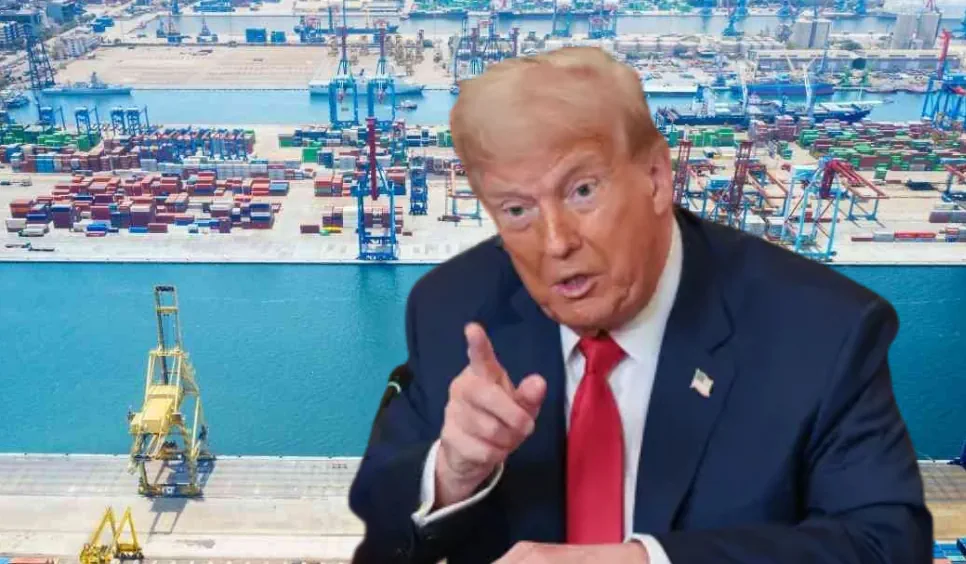
US President Donald Trump on Monday demanded Iran surrender to end its war with the United States, while issuing a sharp warning to Oman as diplomatic efforts over the Strait of Hormuz and a broader settlement with Tehran remained deadlocked.
Speaking during a telephone interview with Fox News, Trump said Iran should “put up the white flag of surrender”, signalling that Washington was not seeking an extension of the interim agreement reached between the two countries in June.
Also Read:
The interim arrangement had called for an immediate and permanent end to military operations on all fronts. However, the agreement quickly unravelled, with Trump declaring it “over” on July 7 and Iran’s Foreign Ministry announcing its suspension a week later.
Under the memorandum of understanding, Washington and Tehran had committed to negotiating a final agreement within 60 days, with the possibility of extending the deadline through mutual consent. The negotiations were expected to address broader disputes, including the future of Iran’s nuclear programme. Monday marked 60 days since the agreement was signed.
Trump reiterated that preventing Iran from obtaining a nuclear weapon remained his administration’s primary objective. In a post on Truth Social earlier on Monday, he said Iran must not be allowed to possess a nuclear weapon “in any way, shape, or form”.
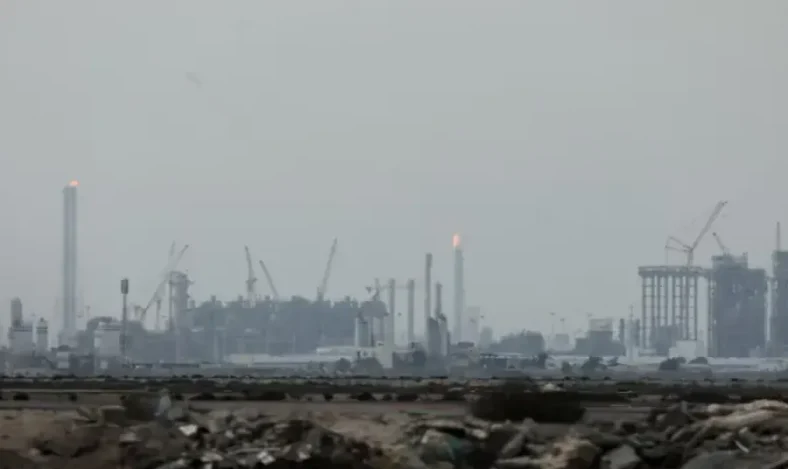
At the same time, Oman and Iran have been holding discussions aimed at restoring commercial shipping through the Strait of Hormuz, a critical global energy route that carried around 20% of the world’s oil and liquefied natural gas supplies before US-Israeli attacks on Iran began in late February.
Trump issued a direct threat against Oman during his Fox News interview, warning of military action if Muscat obstructed US objectives in the negotiations.
The confrontation over the Strait of Hormuz has disrupted global energy markets, contributing to higher fuel prices and increasing domestic pressure on Trump to bring the conflict to an end ahead of November’s midterm elections, which will determine control of the US Congress.
Trump, however, dismissed suggestions that electoral considerations were shaping his Iran policy, saying the midterm elections had nothing to do with his decisions.
Meanwhile, Iran’s Islamic Revolutionary Guard Corps rejected Trump’s assertion that Washington was conducting back-channel negotiations with senior IRGC officials.
IRGC spokesman Hossein Mohibbi told Iran’s Tasnim news agency that no such discussions were taking place and dismissed Trump’s statements as false.
Mohibbi said diplomatic negotiations were handled by other Iranian state institutions and did not fall within the IRGC’s responsibilities. He added that, based on information available to the Guards and statements from Foreign Ministry officials, there were currently no negotiations with the United States even through those channels.
The denial came after Trump told reporters that his administration had maintained a “backchannel with the IRGC” and claimed US officials were communicating directly with IRGC representatives in Iran.
Mohibbi accused Trump of making the claims in an attempt to influence international energy prices and said such statements would not change developments on the battlefield.
Tensions were further heightened after a senior Iranian official told Reuters that Tehran was preparing to shift towards a “fully offensive” military posture following the failure of efforts to negotiate a permanent end to the conflict.
The official said Iranian institutions had been told to prepare for a possible escalation in the Strait of Hormuz and the wider region. Tehran, the official added, was prepared to take difficult decisions if diplomatic efforts continued to fail.
The Iranian official also warned that Tehran could carry out what was described as a “timely and precise” military attack aimed at breaking the US naval blockade if negotiations did not produce a settlement.
Asked by reporters whether Washington wanted to extend the June interim agreement, Trump said it did not.
Separately, Trump welcomed the recently signed Makkah Joint Defence Agreement between Pakistan, Saudi Arabia and Turkiye, praising the three countries for strengthening their security cooperation.
In a Truth Social post, the US president said he was “very happy” to see the three countries sign the agreement and described it as an indication of greater regional cooperation and an opportunity for countries to strengthen their ability to defend themselves.
Trump described the agreement as a “big, bold, and important first step” and congratulated the leadership of Pakistan, Saudi Arabia and Turkiye.
Pakistan, Saudi Arabia and Turkiye formally signed the Makkah Joint Defence Agreement on August 7 during the Makkah Al-Mukarramah Summit for Joint Defence.
The trilateral security framework builds on longstanding strategic ties between the three countries and is aimed at strengthening collective deterrence, expanding military cooperation and supporting regional stability.
While the agreement has drawn comparisons with alliances such as NATO, security analysts have described it as a mechanism to formalise decades of strategic and defence cooperation rather than establish a new offensive military bloc.
Prime Minister Shehbaz Sharif thanked Trump on Monday for supporting the agreement.
In a post on X, Shehbaz said he deeply appreciated the US president’s remarks and reaffirmed that Pakistan, together with Saudi Arabia and Turkiye, would continue playing a constructive role in strengthening the defence of the three countries and the wider region.
The prime minister also praised Trump’s leadership, crediting him with helping avert what he described as a potential nuclear catastrophe in South Asia and saving millions of lives.
Shehbaz stressed that durable peace remained essential for securing a prosperous future for the people of the region.
Turkish President Recep Tayyip Erdogan also highlighted the significance of the trilateral agreement, describing it as a different kind of transformation and an opportunity for the three countries to deliver an important message to the international community.
Speaking in an interview with Al Jazeera Arabic recorded on August 14, when his ruling Justice and Development Party marked its 25th anniversary, Erdogan said the countries coming together at such a moment carried particular significance.