SBP launches Banking on Equality 2026 policy to expand women’s financial inclusion
- The policy seeks to improve women’s access to banking, digital payments and business financing.
- Pakistan’s financial inclusion gender gap narrowed from 39 percent in 2021 to 29 percent in 2025.
- New measures cover women’s employment, career progression, entrepreneurship and financial literacy.
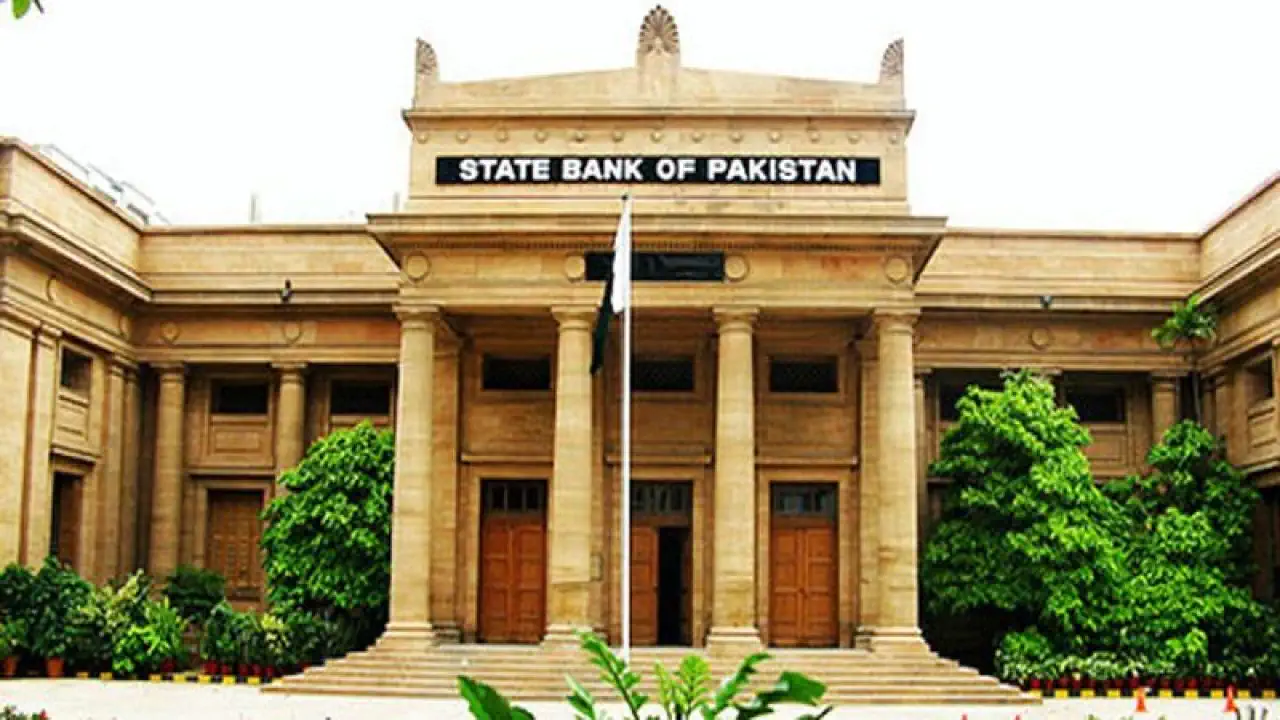
The State Bank of Pakistan (SBP) has launched the second edition of its Banking on Equality policy, introducing measures to expand women’s access to financial services, support women-led businesses and strengthen their representation in the banking industry.
The Banking on Equality 2026 policy builds on the earlier initiative launched in 2021 and supports the National Financial Inclusion Strategy’s goal of reducing the gender gap in financial inclusion to 25 percent by 2028. Women’s participation in the financial sector is also a key priority under SBP’s Vision 2028.
Also Read:
According to SBP, the financial inclusion gender gap narrowed from 39 percent in 2021 to 29 percent in 2025. During this period, banks hired more than 17,500 women under the policy, increasing women’s share of banking staff from 13 percent to 17 percent.
Banks have also established dedicated women’s financial services departments or teams to develop products and services tailored to female customers. The original policy was Pakistan’s first gender mainstreaming initiative of its kind, designed to address disparities in financial access and make banking more accessible to women.
SBP’s implementation of the initiative earned it the Alliance for Financial Inclusion’s Policy Achievement Award for Gender Inclusive Finance 2026.
The updated policy focuses on improving women’s representation and retention in the financial sector, widening digital access to banking, supporting entrepreneurship and financial literacy through dedicated support hubs, and strengthening the use of gender-disaggregated data to guide outreach and monitor results.
It sets targets for women’s participation in hiring, customer outreach and branchless banking agent networks. Banks have also been advised to introduce daycare facilities for working mothers and establish career progression policies that help women in mid-career positions advance into leadership roles.
To reach women who remain outside the formal financial system, the policy calls for targeted digital onboarding campaigns, simplified digital accounts designed around women’s needs, and greater use of digital payments by women-led businesses.
Expanding financing for women-owned and women-led micro, small and medium enterprises is another central objective. The policy encourages financial institutions to increase women’s share of borrowers across key financing segments and account for their needs in credit planning.
Proposed measures include simplified and specialised financing products, partnerships with fintech companies, wider use of digital platforms, and alternative methods of assessing creditworthiness and collateral. These approaches aim to improve access to financing for women with limited formal financial histories.
The policy also seeks to strengthen financial literacy and entrepreneurship skills, helping women participate more effectively in the financial system. SBP will oversee implementation through a monitoring and evaluation framework, quarterly data reporting and regular mystery shopping exercises to assess service delivery.
Finalised after extensive consultations with local and international stakeholders, Banking on Equality 2026 will also support implementation of the World Bank-led Women Entrepreneurs Finance Code initiative. The policy places emphasis on public-private cooperation, digitalisation and targeted reforms to enable women to contribute more fully to Pakistan’s economic development.