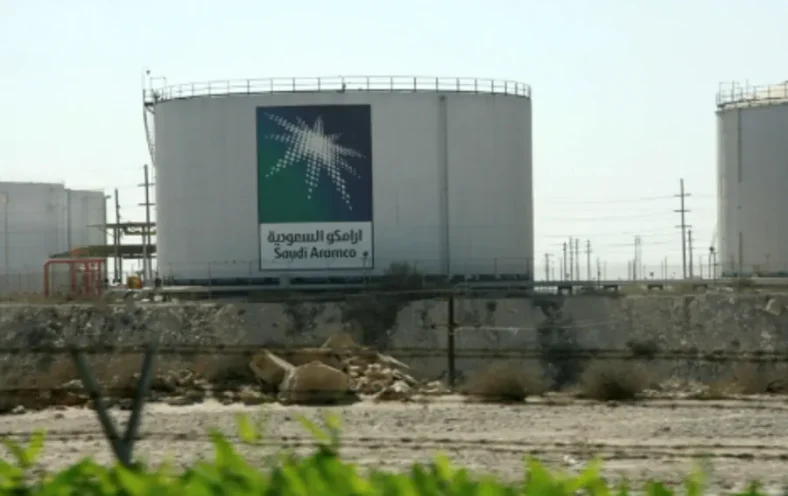
Saudi Aramco building attacked in Dhahran, limited fire reported
- Saudi Arabia’s Energy Ministry reported a limited fire at an Aramco administrative building, with no casualties.
- A company source said a ballistic missile struck an office tower, damaging its top three floors.
- The incident came amid escalating Houthi attacks on Saudi Arabia and renewed Saudi-led strikes in Yemen.
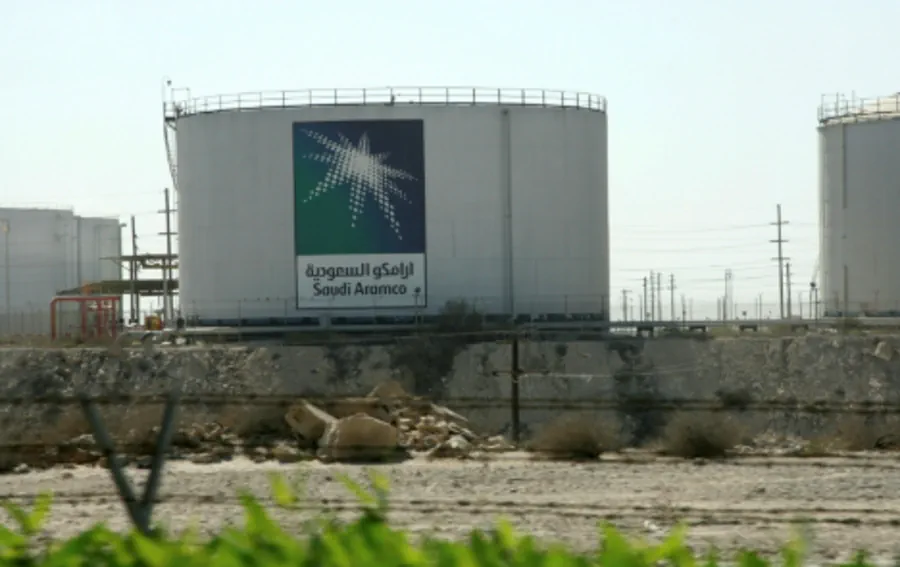
An administrative building belonging to Saudi Aramco in Dhahran was attacked late on Tuesday, causing a limited fire but no deaths or injuries, Saudi Arabia’s Energy Ministry said in a statement on Wednesday.
The ministry said authorities responded to the incident and took the necessary measures. The attack occurred as fighting between Saudi Arabia and Yemen’s Iran-allied Houthis intensified.
Also Read:
A company source earlier told Reuters that a ballistic missile struck an office tower within Aramco’s headquarters complex, damaging its top three floors. That source and two other people familiar with the incident said the building was on fire. Six sources also reported hearing loud explosions near the complex.
The Dhahran headquarters houses a major operations centre overseeing Aramco’s extensive network of onshore and offshore oil rigs, pipelines, refineries and export terminals.
Separately, the Saudi-led coalition said debris from a missile intercepted and destroyed over Dhahran had fallen on a residential area. It provided no further details. Authorities also reported intercepting and destroying missiles and drones over Riyadh and the kingdom’s southern region.
Saudi Civil Defense said on Wednesday that four people were injured in Riyadh when fragments from two intercepted Houthi missiles fell on residential neighbourhoods. The injured included two women, a man and a child, while 15 homes sustained limited damage.
The Houthis have launched ballistic missiles and drones at key Saudi sites for a week in retaliation for Riyadh’s support for government forces in Yemen’s renewed civil war. Riyadh’s international airport has been struck four times, including an attack on Saturday that killed 13 people.
Saturday’s missile strike was the deadliest in Saudi Arabia in a decade. Further attacks have disrupted aviation and grounded flights across the country.
Before the Dhahran incident, Houthi spokesperson Yahya Saree had threatened a severe response to Saudi-led strikes on Sanaa. He identified Aramco’s headquarters and an oil refinery in Riyadh as potential targets. The group also warned oil workers in Saudi Arabia to stay away from facilities that could come under attack.
On Tuesday, the Houthis said Saudi Arabia was attacking Sanaa, while the Saudi-led coalition warned civilians to avoid an oil depot on the outskirts of the Yemeni capital.
Houthi-run Al-Masirah television reported that coalition strikes targeted the Yemen Petroleum Company’s Sabah central station, a fuel storage facility outside Sanaa.
The coalition confirmed on Tuesday evening that it had attacked the station and other locations, saying the operation sought to reduce the Houthis’ ability to threaten Saudi Arabia, Yemen and international waterways.
Earlier on Tuesday, before the Aramco attack, the Saudi cabinet chaired by Crown Prince Mohammed bin Salman warned that the Houthis would face consequences for their repeated strikes on the kingdom.
Saudi Arabia resumed its military campaign in Yemen in support of the internationally recognised government after the Houthis made rapid advances last month along the Red Sea coast towards the strategically important Bab el-Mandeb Strait.
The strait forms the southern entrance to the Red Sea and has become increasingly important for Saudi and global energy shipments since the Iran war began in February, when Tehran closed the Strait of Hormuz, which connects the Gulf to the Indian Ocean.
A government offensive launched a week ago pushed Houthi forces away from the area nearest Bab el-Mandeb. However, the group remains positioned nearby and has gained ground around Taiz this month.
Riyadh has sought broader support from its allies for the campaign and assistance in countering Houthi missile and drone attacks. The United States, Saudi Arabia’s principal ally and longstanding security partner, has so far declined Saudi requests to become directly involved in the fighting against the group.
The renewed Yemen conflict has unfolded as a spillover from the wider US-Iran war, which began with US-Israeli attacks on Iran on February 28.
Iranian Foreign Minister Abbas Araqchi said on Sunday that Tehran was willing to mediate between Saudi Arabia and the Houthis. Iran’s Foreign Ministry reiterated the offer on Monday.