Oil Prices Hit One-Month High as US-Iran Tensions Shake Global Markets
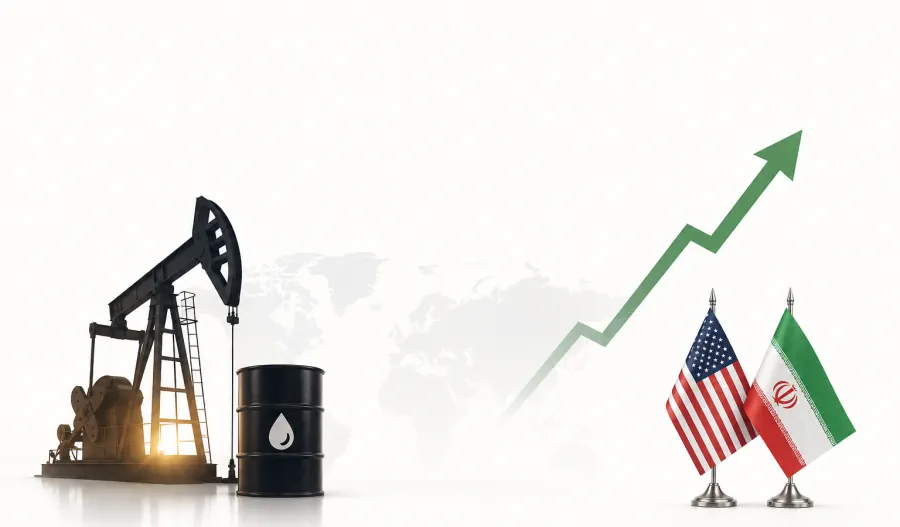
- Brent crude rises above $91 per barrel, the highest level since June 11.
- Escalating US-Iran conflict raises fears of supply disruptions through the Strait of Hormuz.
- Higher oil prices revive inflation concerns and could delay interest rate cuts.
- Asian stock markets end mixed as investors monitor geopolitical developments.
Oil prices climbed to their highest level in more than a month on Monday after renewed military exchanges between the United States and Iran intensified concerns over a prolonged conflict in the Middle East. The latest escalation has increased fears that global oil supplies could be disrupted, particularly through the Strait of Hormuz, a vital shipping route that carries nearly 20% of the world’s seaborne oil.
Brent crude rose above $91 per barrel, marking its highest level since June 11, while US benchmark West Texas Intermediate also posted strong gains. The rally came after both oil benchmarks had already surged more than 4% at the end of last week, following fresh US strikes on Iranian targets and Tehran’s retaliatory attacks on military assets in the Gulf.
Also Read:
The sharp rise in crude prices has once again raised concerns that inflation could remain higher for longer, potentially delaying expected interest rate cuts by major central banks. However, some analysts believe easing inflation in the United States and a cooling labour market could help reduce the broader economic impact if oil prices do not remain elevated for a prolonged period.
Stephen Innes of SPI Asset Management said markets are currently weighing two competing factors. While geopolitical tensions have added a significant risk premium to oil prices, softer inflation trends in the United States suggest the latest energy shock may not trigger another broad wave of inflation. He cautioned, however, that persistently high oil prices could eventually weaken consumer spending and slow global economic growth.
Asian stock markets delivered mixed performances as investors balanced geopolitical risks with hopes of further economic stimulus from China. Hong Kong’s Hang Seng Index gained more than 2%, while Shanghai advanced 1.3% on expectations that Beijing could introduce additional support measures after last week’s economic data. Markets in Taipei, Manila and Singapore also closed higher.
Meanwhile, shares in Seoul, Sydney and Wellington ended lower as investor caution remained elevated. The cautious sentiment followed another weak session on Wall Street, where all three major US stock indexes closed in negative territory as investors continued shifting away from technology stocks while closely monitoring developments in the Middle East.