Nationwide 5G rollout to take two more years, government tells NA
- Lawmakers questioned slow internet speeds, unreliable coverage and the performance of existing mobile networks.
- Parliamentary Secretary Sabeen Ghouri said 5G was available in 24 cities, with work continuing to improve services.
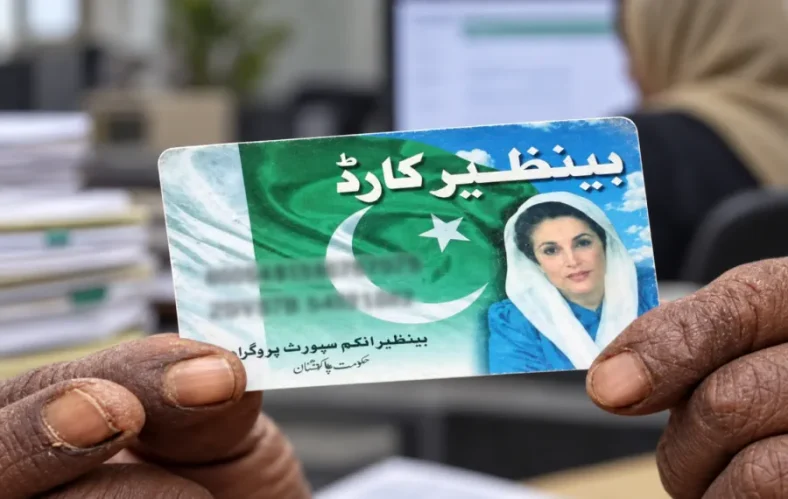
- The House was also informed that BISP had recovered Rs712.40 million in assistance paid to government employees and their spouses.

The government informed the National Assembly on Friday that extending 5G services across Pakistan would take another two years, as lawmakers criticised poor mobile internet speeds and questioned whether existing networks were ready for wider deployment.
During Question Hour, Parliamentary Secretary for Information Technology Sabeen Ghouri said 5G services were available in 24 cities. She told the House that work was under way to improve service quality before coverage was expanded to additional cities.
Also Read:
PPP lawmaker Aseefa Bhutto-Zardari raised complaints about slow 4G and 5G services in Nawabshah and other areas. She called for a coordinated plan to improve internet speeds and resolve the problems facing consumers.
The discussion became awkward when PPP’s Abdul Qadir Patel, who was chairing the session, asked Ghouri what 5G stood for. She was unable to answer immediately, saying its meaning was not coming to mind.
Aseefa responded by suggesting that the parliamentary secretary join her colleagues so they could explain the term to her.
Other lawmakers also challenged the government over the difference between its connectivity promises and the services available to consumers.
JUI-F lawmaker Noor Alam questioned the rollout, saying users were being charged for 5G even though the service was not available in practice.
PPP’s Nabeel Gabol said the initial excitement over the arrival of 5G had given way to disappointment, with mobile users experiencing connections that appeared to have fallen back to 2G.
Patel questioned the decision to introduce another generation of mobile technology while existing services remained unreliable, asking whether 4G had stopped functioning to justify moving to its successor.
Separately, Minister for Poverty Alleviation and Social Safety Imran Ahmad Shah informed the House through a written reply that the Benazir Income Support Programme had recovered Rs712.40 million in cases involving government employees and their spouses who had received financial assistance.
The recoveries included Rs545.784 million collected through the Federal Investigation Agency, Rs21.550 million from BISP employees and Rs145.066 million from other government departments.
Shah said more than 800,000 beneficiaries had been blocked following a 2019 Federal Cabinet decision that made government employees and their spouses ineligible for assistance.
Updated information had been obtained from government departments, autonomous bodies and state-owned enterprises to identify ineligible recipients. More than six million records had been forwarded for scrutiny, he added.
The minister said 229,157 cases remained blocked. Among these, 32,971 cases involving monthly pensions of Rs29,000 or less had been exempted from recovery under a decision of the BISP Board.
He said the process of profiling beneficiaries, blocking ineligible cases and recovering payments was continuing.
Shah also informed lawmakers that 2.26 million beneficiaries had exited BISP between July 2025 and June 2026 after exceeding the poverty score limit or failing to complete mandatory surveys and recertification.
Households qualify for assistance with a Proxy Means Test score of up to 32. The threshold rises to 37 for households with at least one person with a disability. Eligible households must undergo recertification every three years, the minister said.