Power Division bans manual detection bills, warns officials over unfair charges
- DISCOs must issue detection bills exclusively through PITC’s centralised online portal.
- Officials responsible for manual, arbitrary or incorrect billing will face disciplinary action.
- Proposed reforms would set limits on meter replacement, average billing and detection charges.
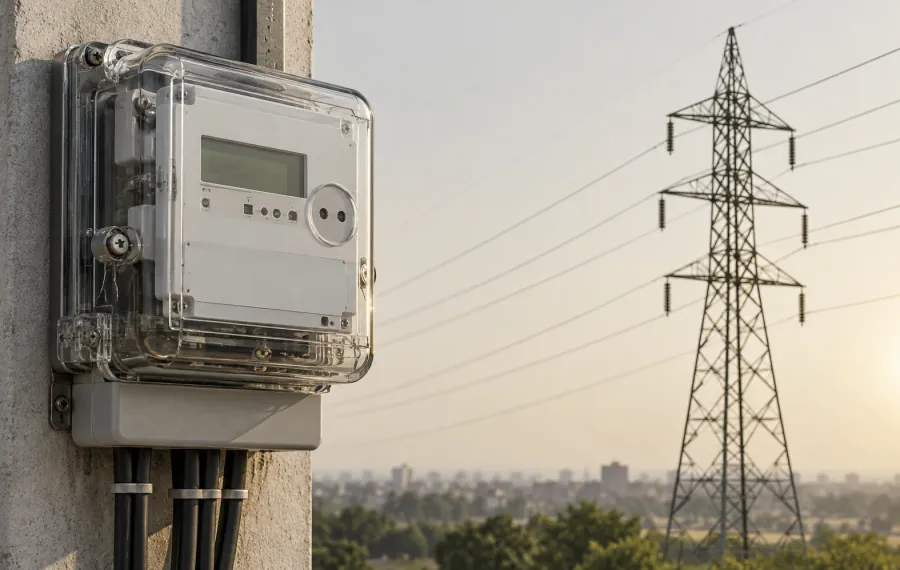
The Power Division has prohibited electricity distribution companies (DISCOs) from issuing manual or discretionary detection bills, directing them to use a centralised online system and warning of strict action against officials who impose unjustified charges.
Federal Minister for Energy Sardar Awais Ahmad Khan Leghari issued the directives after taking notice of excessive and unwarranted detection bills charged to consumers. Addressing a meeting with DISCOs’ boards of directors, he called for a comprehensive reform framework to safeguard consumers while continuing action against electricity theft.
Also Read:
According to a Power Division statement issued on Friday, all detection bills must now be generated through the online portal developed by the Power Information Technology Company (PITC).
Field staff and sub-divisional officers (SDOs) will no longer be authorised to issue manual detection bills. Violations will be treated as serious misconduct and could result in major disciplinary penalties for the officials concerned.
Leghari said tackling electricity theft remained a national priority, but innocent consumers must not be made to bear unjustified financial burdens. He directed distribution companies to prevent incorrect and arbitrary billing.
Alongside the ban, the Power Division plans to submit amendments to the Consumer Service Manual (CSM) in the coming days to establish clear deadlines and limits for billing and meter-related procedures.
Under the proposed changes, defective or burnt meters would have to be replaced immediately or within a maximum of two billing cycles. Average billing during the replacement period would be restricted to two months.
For meters found to be running slow or fast, any recovery or credit adjustment would be limited to the preceding two billing cycles.
The proposed framework also sets limits on the periods covered by detection bills. General consumers found involved in illegal electricity abstraction would face charges covering no more than three billing cycles. Maximum detection billing periods would be capped at six months for registered consumers and 12 months for unregistered consumers.
DISCOs’ boards and customer services committees have also been instructed to review detection bills in detail every month to check their accuracy, ensure transparency and confirm that recoveries are justified.
Leghari said consumer protection remained a priority and that officials would not be permitted to act beyond the law or applicable regulations.