Imported Cars Could Face Up to 52% Tariff as Ministries Remain Divided Over Auto Policy
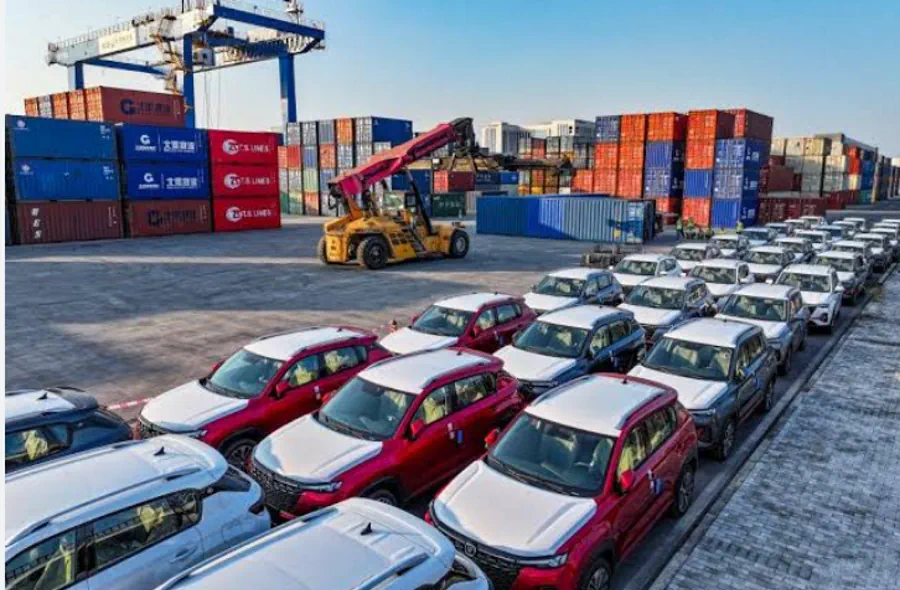
- The Industries Ministry has proposed tariffs of up to 52% on imported vehicles by 2030.
- Proposed rates remain significantly higher than the limits set under the approved National Tariff Policy.
- Vehicles between 1501cc and 1800cc could face a 60% customs duty, against the national policy’s eventual 15% ceiling.
- Differences also remain over vehicle export targets and penalties for automakers that fail to meet them.
Differences among government ministries over Pakistan’s proposed Auto and Auto Parts Policy 2026-31 remain unresolved, despite the Industries Ministry softening its earlier position on tariffs for imported vehicles.
Under revised proposals presented to a ministerial committee, protection for the local automobile industry could be gradually reduced over the next five years. However, the suggested duties would still remain substantially above the levels envisaged under the federal government’s approved National Tariff Policy.
Also Read:
The Industries Ministry has proposed reducing tariffs on imported vehicles by around 34% over the period ending in 2030, with the protective tariff potentially reaching up to 52% under the revised framework.
The biggest gap between the two policy approaches concerns vehicles with engine capacities between 1501cc and 1800cc. The ministry has proposed maintaining customs duty at 60% for this category. While this would represent a 34% reduction from the existing level, the proposed rate would still be around 300% higher than the 15% maximum customs duty envisioned under the National Tariff Policy by 2030.
For vehicles between 1001cc and 1500cc, the ministry has suggested a tariff of at least 45% by 2030. This would be approximately 25% below the existing rate but still around 200% higher than the level prescribed under the national tariff framework.
The disagreement is being discussed by a ministerial committee established to examine the draft Auto and Auto Parts Policy for 2026-31. The committee, headed by Federal Minister for Energy Sardar Awais Leghari, has held several meetings in recent days, including one on Thursday, but has yet to reach a final consensus.
Officials said the Industries Ministry presented revised tariff proposals during the discussions and demonstrated greater flexibility compared with its previous position. Despite this movement, differences remain over how quickly protection for domestic vehicle manufacturers should be reduced while keeping the auto-sector framework consistent with the broader National Tariff Policy.
The dispute is not limited to import duties. Ministries also remain divided over proposed vehicle export targets for automobile manufacturers and the mechanism for penalising companies that fail to achieve those targets.
The continuing differences have prevented the government from finalising the new auto policy, with negotiations expected to continue before a framework acceptable to the relevant ministries can be agreed.