ECP proposes curbs on deceptive AI content and deepfakes in election campaigns
- Proposed rules would prohibit misleading deepfakes and artificial online engagement designed to deceive voters.
- Parties and media would have to clearly disclose AI-generated or substantially altered election content.
- Stakeholders can submit feedback on the proposed amendments by November 20, 2026.
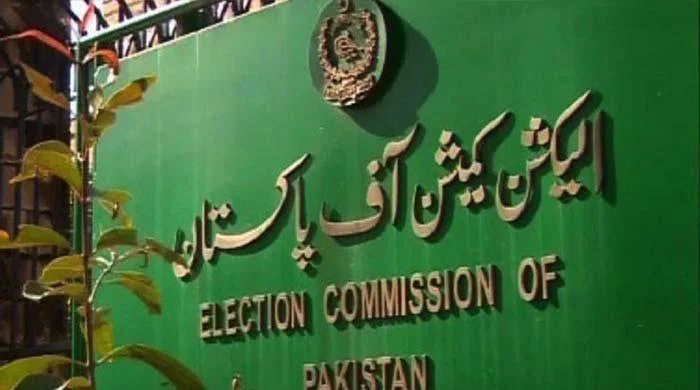
The Election Commission of Pakistan has proposed new restrictions on the use of artificial intelligence during elections, seeking to prevent political parties, candidates and others from misleading voters through deepfakes, fabricated statements and artificial social media trends.
The proposed changes would introduce disclosure requirements for AI-generated campaign material and establish separate responsibilities for political parties, media organisations and election observers. Stakeholders have been invited to submit comments and suggestions to the ECP Secretariat in Islamabad by November 20, 2026.
Also Read:
Under the proposed amendments to the Code of Conduct for Political Parties, parties, candidates, election agents and their supporters would be prohibited from producing or circulating AI-generated or manipulated material that could deceive voters about its authenticity or falsely portray someone’s words, actions or appearance.
Campaign content created or substantially changed using AI would need to carry a clear and prominent label identifying it as AI-generated or AI-assisted. The requirement would cover deepfake photographs, videos, audio recordings and synthetic voices. Such content would also remain subject to election laws and the applicable code of conduct.
The proposals specifically prohibit using deepfake technology to fabricate false, derogatory or defamatory depictions, voices or statements involving candidates, political leaders, their supporters, election officials, members of the judiciary, the armed forces and other state functionaries.
Parties, candidates and election agents would also be barred from deploying AI bots, automated accounts or similar tools to manufacture online popularity. This would include fake trends, likes, comments, shares and followers intended to create a misleading impression of public support.
For voter outreach through robocalls or voice-cloned messages, the proposed code would require an announcement at the beginning of each call or message explaining that the content was generated using AI.
Political parties and candidates would have to preserve records of all AI-generated or AI-assisted campaign material used during the election period and provide complete details whenever requested by the commission.
Separate amendments would require print, electronic and digital media outlets, journalists, newspapers, television channels and social media influencers to label AI-generated or manipulated election material when broadcasting, publishing or circulating it. These obligations would apply to synthetic images, videos, audio and voice-cloned content.
The proposed media code would similarly prohibit false, derogatory or defamatory deepfakes targeting the individuals and institutions covered by the political parties’ code.
Media organisations could continue using AI to generate election-related content or assist with translation, anchoring and analysis, provided they informed their audiences. They would remain responsible for the accuracy and authenticity of the resulting material.
The Pakistan Electronic Media Regulatory Authority, Social Media Protection Regulatory Authority and National Cyber Crime Investigation Agency would be tasked with monitoring print, electronic, digital and social media for election content that lacked the required AI labels or disclosures.
These bodies would be required to take appropriate action over non-compliance and submit reports to the ECP. Media organisations and social media platforms would also have to promptly remove or correctly relabel undisclosed or misleading AI content when directed by the commission or another regulatory authority.
Election observers would be expected to watch for deepfakes, synthetic recordings and other AI-generated disinformation encountered while monitoring the electoral process. They would have to report such material promptly to the ECP without circulating it further.
Observers would also be prohibited from using AI to fabricate, alter or embellish observations, findings, photographs, videos or reports submitted to the commission. Their submissions would need to reflect factual, genuine and first-hand assessments.
The ECP said the growing use of AI had implications for election stakeholders. It cited its constitutional responsibility to conduct elections honestly, justly and fairly and to prevent corrupt practices, including attempts to manipulate the electoral process through misleading AI content.
The proposed provisions have been published on the commission’s official website and circulated among stakeholders for feedback.