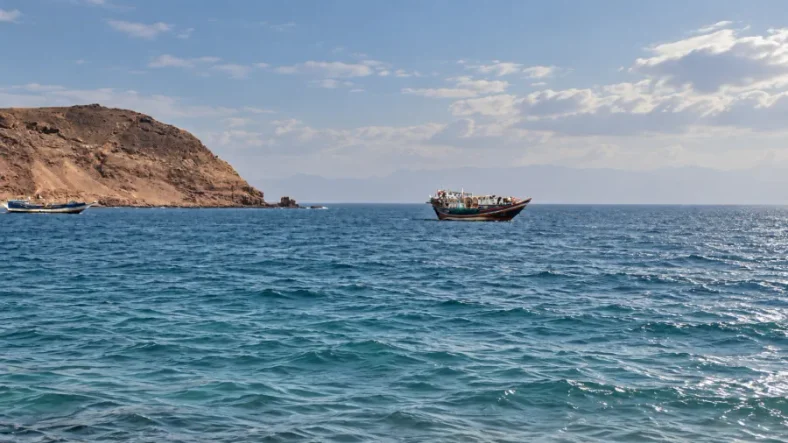
Bab al-Mandab Strait Emerges as Critical Oil Flashpoint Amid Houthi Advance
- Houthi forces have launched a major ground offensive near Bab al-Mandab, raising fears over one of the world’s most important shipping routes.
- The strait has become increasingly vital for Saudi oil exports following the disruption of tanker traffic through the Strait of Hormuz.
- Continued instability could restrict Red Sea shipping, raise global energy costs and further weaken traffic through the Suez Canal.
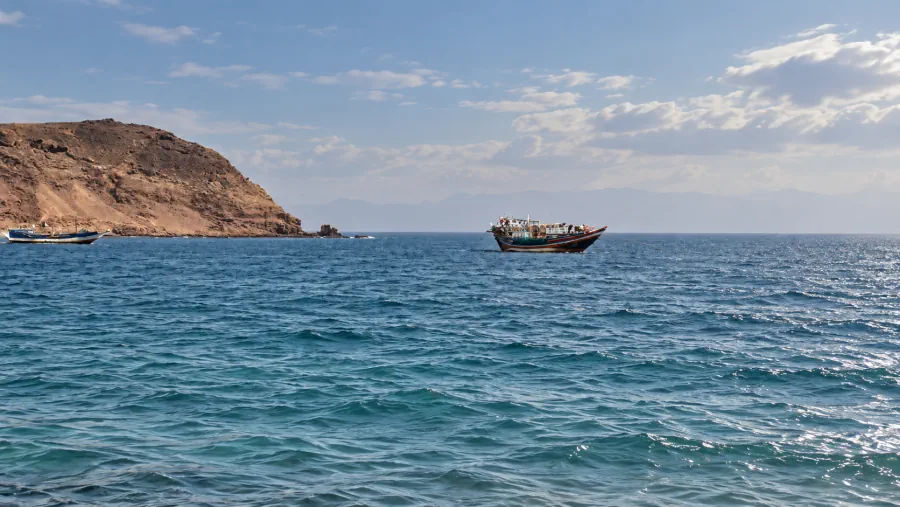
Yemen’s Houthis have launched a major ground offensive near the Bab al-Mandab Strait, intensifying concerns over the security of a strategic waterway that has become increasingly important for Saudi oil exports during the wider Middle East conflict.
Hundreds of people have reportedly been killed in the latest fighting as the Houthis and Saudi Arabia exchange attacks. The escalation has placed renewed attention on a narrow maritime passage that normally serves as one of the busiest shipping lanes in the world.
Also Read:
Bab al-Mandab means “Gate of Tears” in Arabic, a name traditionally associated with the waterway’s long history of dangerous navigation and shipwrecks. Located at the southern end of the Red Sea, the strait connects it with the Gulf of Aden and the Indian Ocean.
The passage separates Yemen on the Arabian Peninsula from Djibouti and Eritrea in the Horn of Africa. It extends for approximately 100 kilometres and narrows to about 30 kilometres at its tightest point.
Its location makes Bab al-Mandab essential to maritime trade between Asia and Europe. Cargo vessels and oil tankers passing through the strait can enter the Mediterranean Sea through the Suez Canal, avoiding the much longer journey around Africa and reducing travel distances by thousands of kilometres.
Traffic along the route has remained significantly below its pre-crisis level since the Houthis began attacking Red Sea shipping during the Gaza war in 2024. The group said it was targeting vessels linked to Israel in solidarity with Palestinians.
The number of ships transiting the Suez Canal fell from 26,895 in 2023, equivalent to an average of 73.7 vessels per day, to 14,498 in 2024. The annual total declined further to 14,070 vessels in 2025.
Between January and August 2026, average daily traffic stood at 40.8 vessels, only slightly more than half the level recorded before the disruption began.
The Houthis do not currently control the coastal territory directly surrounding Bab al-Mandab, although they hold the major Red Sea port city of Hodeida further north. A Yemeni military source said the group had also captured the strategic coastal city of Mokha, bringing its forces closer to the waterway.
Since announcing a maritime blockade against Saudi Arabia in July, the Houthis have repeatedly targeted Saudi vessels in the Red Sea. The group has denied seeking to close Bab al-Mandab or impose transit charges similar to Iran’s blockade of the Strait of Hormuz.
However, analysts believe the campaign is intended to increase the political and economic cost of Saudi military operations by threatening the kingdom’s ability to export oil.
Bab al-Mandab was already an important energy corridor before the latest Middle East conflict. Around 12% of global seaborne oil shipments passed through the waterway in 2023.
Its importance increased considerably after the closure of the Strait of Hormuz forced Saudi Arabia to rely more heavily on its Red Sea export infrastructure. Saudi crude shipments from the port of Yanbu averaged approximately 3.8 million barrels per day between March and July, around five times the pre-war volume.
That daily flow was equivalent to approximately 4.5% of all crude oil processed by refineries worldwide in 2025.
Exports through Yanbu fell sharply to around 1.5 million barrels per day in August after the Houthis resumed attacks on Saudi shipping during July. Preliminary estimates placed exports at 2.44 million barrels per day during the first nine days of September, although the figure remains subject to revision.
Security experts warn that the greatest threat may not be the complete physical closure of Bab al-Mandab but prolonged uncertainty over whether commercial vessels can use the route safely.
Continued instability could discourage shipping companies from returning to the Red Sea, keeping Suez Canal traffic depressed and placing additional financial pressure on Egypt. It would also increase journey times, insurance premiums and transportation costs for trade between Asia and Europe.
The renewed confrontation forms part of a broader regional crisis that began on February 28, when the United States and Israel launched attacks against Iran. Tehran responded with strikes across the region, creating serious disruption to Gulf shipping and energy exports.
Fighting in Yemen intensified again in July after the Houthis allowed an Iranian aircraft to land despite Saudi Arabia’s control over Yemeni airspace. The Saudi-backed Yemeni government responded by striking the airport, triggering further exchanges and effectively unravelling the truce that had largely held since 2022.
The Houthis subsequently declared a maritime blockade of Saudi Arabia and expanded their attacks against the kingdom’s tankers and territory.