Aurangzeb outlines financing and reform priorities for Pakistan’s G-24 chairmanship
- Pakistan assumed the G-24 chairmanship on November 1, 2026, with a focus on advancing developing economies’ shared interests.
- Aurangzeb identified affordable development financing, financial reforms and economic resilience as key priorities.
- Pakistan is preparing to host the G-24 Technical Group Meeting in February 2027.
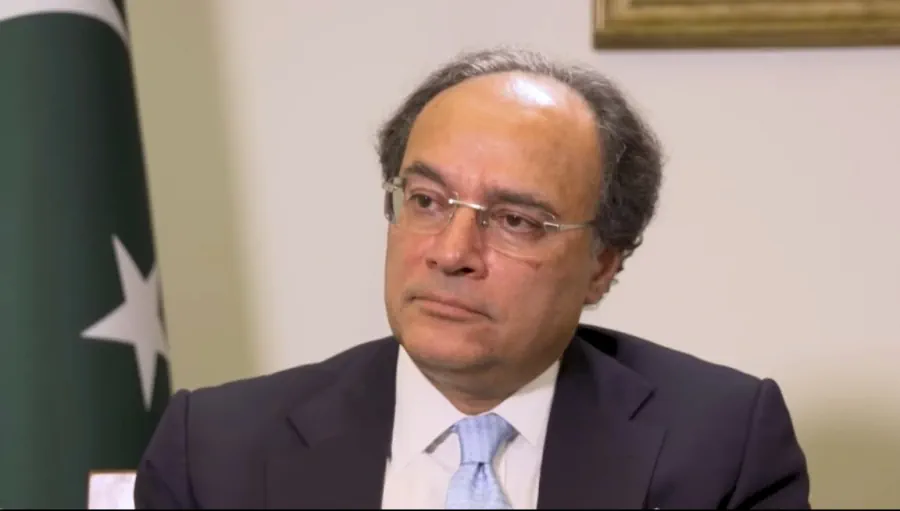
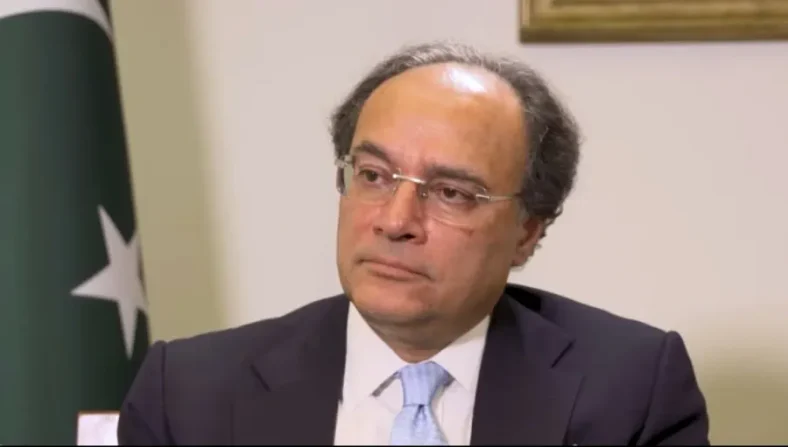
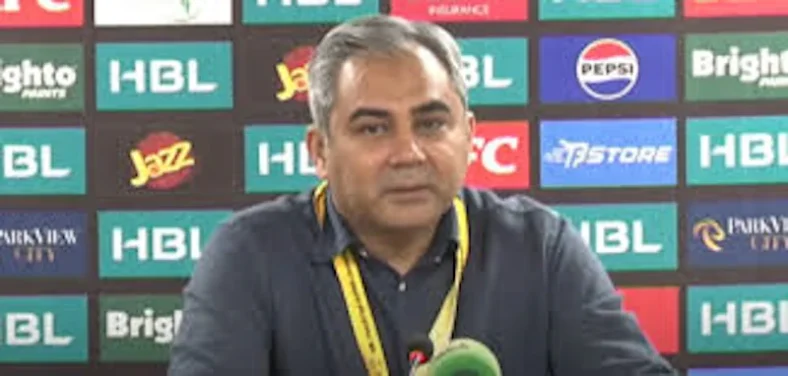
Federal Minister for Finance and Revenue Senator Muhammad Aurangzeb has outlined Pakistan’s priorities for its G-24 chairmanship, calling for stronger representation of developing economies in global financial decisions, improved access to affordable financing and practical reforms to the international monetary and financial system.
The minister discussed the agenda during a virtual briefing with Dr Iyabo Masha, Director of the G-24 Secretariat, following Pakistan’s assumption of the chairmanship of the Intergovernmental Group of Twenty-Four on November 1, 2026. Saif Ullah Dogar, Senior Advisor to the Executive Director at the International Monetary Fund (IMF), also attended.
Also Read:
Dr Masha briefed Aurangzeb on the responsibilities of the chairmanship, the group’s institutional framework, its ongoing policy and research work, and its engagement with international financial institutions and other multilateral forums.
The briefing covered the forthcoming work programme, including the G-24 Technical Group Meeting that Pakistan is expected to host in February 2027. Preparations for ministerial meetings held alongside the IMF–World Bank Spring and Annual Meetings were also discussed.
Aurangzeb said Pakistan would build on the work of previous chairmanships while pursuing a focused and inclusive agenda based on policy coordination, agreement among members and sustained engagement across the group.
He praised the secretariat’s support for the G-24 and its efforts to advance the collective interests of emerging markets and developing economies.
The minister identified reform of the international monetary and financial system, adequate and affordable development financing, and stronger protection against economic vulnerabilities as central areas of focus. He said the development needs and perspectives of emerging and developing economies should be properly reflected in the discussions and decisions of international financial institutions.
Pakistan’s chairmanship, he said, offered an opportunity to bring members closer on issues of common concern to the Global South and strengthen their collective influence over the global financial system. He stressed that stronger representation should be supported by constructive engagement and practical policy proposals that could help build wider international agreement.
Aurangzeb highlighted the pressures facing developing countries amid global uncertainty, geopolitical divisions, fragmentation in economic relations and continuing shortfalls in development financing.
He called for an agenda that responds to emerging risks while retaining the G-24’s longstanding development priorities. This would include effective multilateral cooperation, stronger economic resilience and greater opportunities for trade, investment and economic integration.
The minister said Pakistan would pursue a chairmanship centred on substantive work and measurable results, supported by regular consultations with member countries and a focused set of actionable policy priorities.
Discussing the February 2027 Technical Group Meeting, Aurangzeb stressed the need for early preparations, broad participation and detailed policy discussions. He said the meeting should provide a strong analytical basis for subsequent ministerial deliberations and the group’s engagement with international institutions.
He also called for close coordination with the G-24 Secretariat as Pakistan develops its priorities and prepares for upcoming meetings. Continued consultations with members, he said, would help identify common interests, build agreement and turn shared priorities into practical proposals.