Amazon Raises Device Prices by Up to 60% as Memory Costs Surge
- Amazon has increased prices across several of its popular hardware products amid rising memory and storage costs.
- Fire TV, Echo, Kindle and Eero devices are among the products affected by the price changes.
- The Echo Dot saw one of the steepest increases, rising 60% from $49.99 to $79.99.
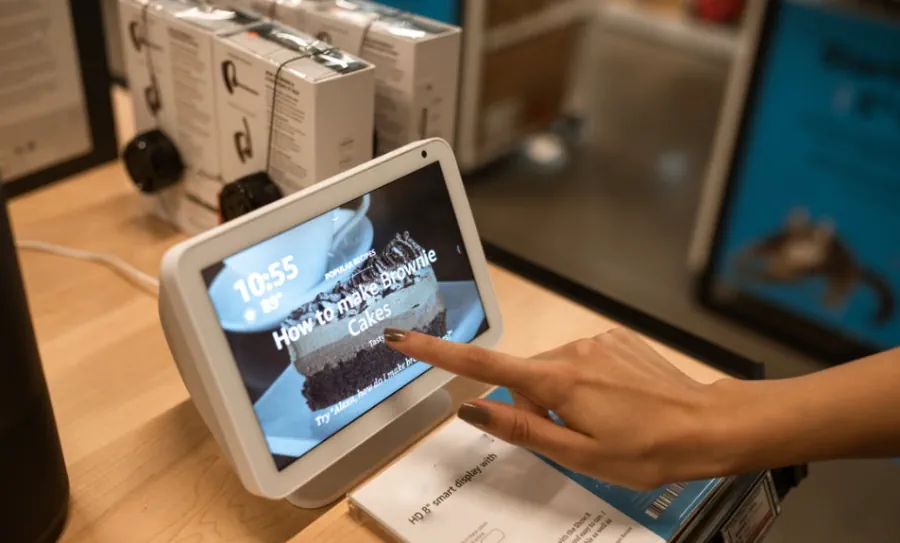
Amazon has sharply increased prices across several of its consumer electronics products, with some devices becoming up to 60% more expensive as the global technology industry faces higher memory and storage costs.
The increases affect a range of Amazon hardware, including Echo smart speakers, Fire TV devices, Kindle e-readers and Eero networking products.
Also Read:
One of the largest increases was seen in the Echo Dot. Its price reportedly climbed overnight from $49.99 to $79.99, representing an increase of about 60%. Price-tracking data also indicated a significant jump compared with its previous selling price.
Amazon said the changes were driven by rising costs for memory and storage components, which are affecting manufacturers across the consumer electronics industry.
“The consumer electronics industry is facing significant increases in memory and storage component costs,” the company said.
Amazon said it had absorbed the additional costs for as long as possible but eventually had to adjust prices across parts of its hardware lineup. The company added that it expects to offer occasional promotions during the coming year, potentially giving customers opportunities to purchase devices at lower prices.
The price increases come as the technology industry deals with a global shortage of memory chips. Rapid expansion in artificial intelligence infrastructure has contributed to growing demand for memory components, putting additional pressure on supplies and increasing costs for hardware manufacturers.
As component expenses rise, technology companies are increasingly facing the choice of absorbing those costs or passing some of them on to customers.
Apple has also increased prices for some hardware products this year and introduced a device-leasing programme aimed at allowing customers to spread payments over a longer period.
Industry expectations suggest that pressure on global memory supplies could continue through 2027, meaning elevated component costs may remain a challenge for electronics manufacturers and consumers. Memory prices could begin to stabilise in 2028 if supply catches up with growing global demand.