Three Women’s Killings Raise Questions About Victim-Blaming and Women’s Safety
- Three recent cases highlight how women can face violence regardless of the personal choices they make.
- The incidents challenge common victim-blaming arguments surrounding marriage, separation and independent living.
- In all three cases, the alleged perpetrators were people from within the victims’ closest family circles.
Society often takes pride in the belief that women are respected, protected and cared for within their homes and families. Yet incidents of violence against women repeatedly challenge that perception and force a difficult examination of the gap between what society claims and what some women actually experience.
When a woman becomes a victim of violence, attention can quickly shift from the alleged perpetrator to the victim herself. Questions are raised about why she married someone, why she left a marriage, why she returned home or why she chose to live independently.
Also Read:
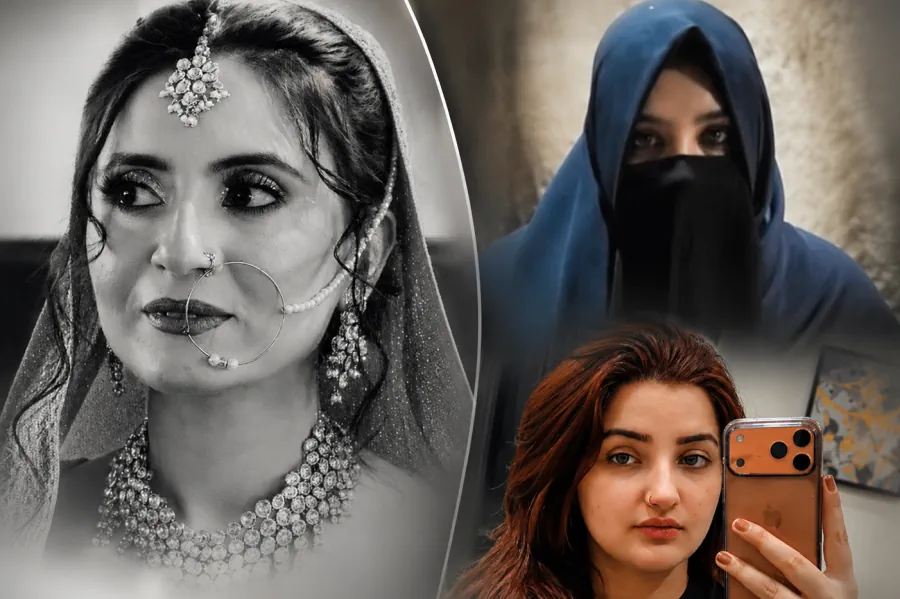
Three recent cases involving Hina Javed, Hina Zarif and Ayesha Gulamina are particularly disturbing because each woman made a different personal choice, yet all three allegedly became victims of fatal violence involving people closest to them.
Hina Javed had married with the consent of her family. Despite following a path that society often considers acceptable, she was allegedly killed by her husband, Faisal Asghar, at their Rawalpindi home on August 20.
According to the FIR account given by Hina’s brother, her husband had allegedly subjected her to violence in the past. It was reportedly Faisal’s second marriage, while allegations of abusive behaviour were also associated with the breakdown of his previous marriage.
During the investigation, police arrested a domestic employee identified as Zeeshan, who allegedly confessed to his involvement in the killing.
According to his reported statement, he was called during an argument between the husband and wife. Hina allegedly attempted to escape during the dispute, but she was caught by Faisal and Zeeshan. When she resisted, she was strangled.
Police were reportedly initially informed by Hina’s father-in-law that thieves had entered the house. However, when officers reached the residence, Hina’s body was allegedly found in a bathroom, tied to a shower.
Hina Zarif’s case presents a different situation. She had obtained khula from her husband and was reportedly reluctant to return from Lahore to her father’s home because she feared for her safety.
Her father reportedly assured her that she would not be harmed. On August 13, 2026, an affidavit and a video reportedly documented assurances given to Hina before she agreed to leave with him.
In the video, she was reportedly assured that nobody would beat her or subject her to violence and that she would not be forced into another marriage. Her father was said to have accepted responsibility for her safety under conditions recorded on stamp paper.
Hina reportedly said she had left home because her husband subjected her to violence and she believed her family had supported him rather than her.
Trusting the assurances given to her, she travelled from Lahore to her father’s home. According to the account, she was subsequently allegedly killed by her father.
The third case involves Ayesha Gulamina, who had reportedly chosen to live independently. She was killed on August 14.
After her death, Ayesha’s father initially approached police as the complainant and registered a case over his daughter’s killing. However, the investigation reportedly later identified her father and brother as alleged suspects behind the attack.
These cases bring the issue of victim-blaming into sharp focus. One woman married with her family’s approval, another left a marriage and sought protection from her family, while the third reportedly chose to live independently. In each case, the circumstances were different, but the alleged violence came from within the victim’s closest relationships.
A woman can be a wife, daughter, sister, friend or professional, but those relationships do not remove her right to make decisions about her own life. Marriage, separation or independent living cannot be used to justify violence or shift responsibility away from those accused of committing it.