Air Pollution Worsens in Punjab as Lahore, Faisalabad Report Rise in Respiratory Illnesses
- Faisalabad’s air quality index exceeds 280, with hospitals reporting a 40 to 50 per cent increase in patients suffering from respiratory illnesses.
- Lahore ranks as the world’s fourth most polluted city, recording an AQI of 192, with pollution levels significantly exceeding WHO guidelines.
- Health experts advise residents to limit outdoor activities and wear protective masks as no rainfall is expected in Lahore over the next 10 days.
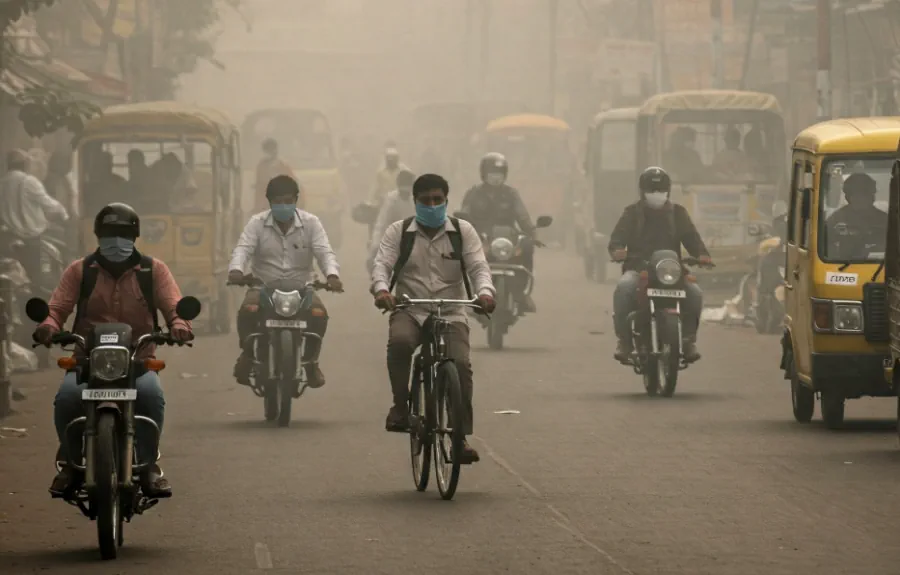
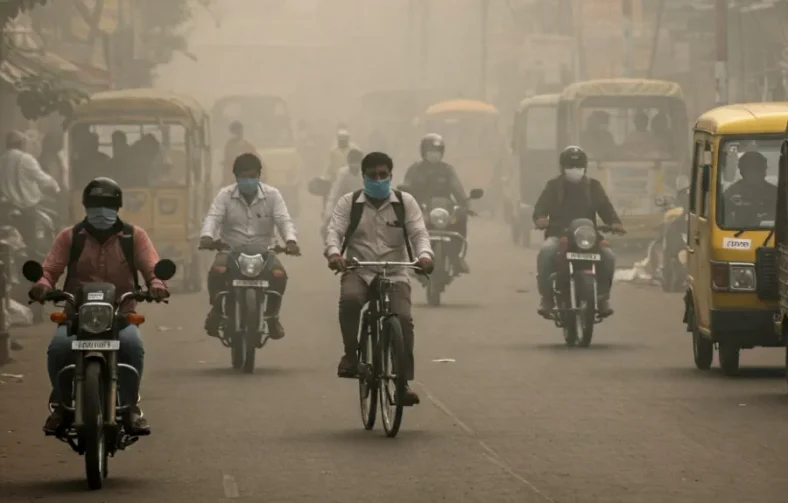
Air pollution has reached alarming levels in several parts of Punjab, particularly Lahore and Faisalabad, where worsening smog and dust pollution are contributing to a sharp increase in respiratory illnesses, eye infections and other health-related complaints.
Hospitals in Faisalabad are witnessing a growing number of patients suffering from asthma, breathing difficulties, lung conditions and ear, nose and throat problems as the city’s air quality index (AQI) has climbed above 280.
Also Read:
Medical professionals have expressed serious concerns over the deteriorating air quality, warning that prolonged exposure to polluted air could further aggravate existing health conditions, especially among people already suffering from respiratory diseases.
Consultant pulmonologist Dr Noor Gul reported that the number of patients seeking medical treatment had increased by approximately 40 to 50 per cent due to worsening environmental conditions.
He explained that individuals with asthma and chronic lung diseases were among those most severely affected, as polluted air was making their symptoms more difficult to manage.
Eye-related complaints have also increased in Faisalabad, with residents experiencing irritation, excessive watering and discomfort caused by dust and airborne pollutants.
Eye specialist Dr Muhammad Arslan Babar said an increasing number of patients were visiting medical facilities with complaints of burning sensations and watery eyes. He advised people to take appropriate precautions to minimise exposure to polluted air.
The situation has been further complicated by dust generated from ongoing construction activities across Faisalabad. Inadequate cleaning and dust-control measures around construction sites have contributed to deteriorating environmental conditions in several areas.
Local residents have expressed frustration over the worsening smog situation and urged the authorities to introduce effective pollution-control measures rather than limiting their response to statements and assurances.
Meanwhile, Lahore continues to face serious air quality challenges, ranking fourth among the world’s most polluted cities with an AQI reading of 192.
According to the reported pollution figures, air pollution levels in Lahore are approximately 22 times higher than the guidelines recommended by the World Health Organisation (WHO).
Air quality monitoring data showed particularly high pollution levels in several residential and commercial areas of the provincial capital.
Gulberg and its surrounding localities recorded an AQI of 206, indicating unhealthy air conditions. Barki Road reported a reading of 197, while Bedian Road recorded 190.
Allama Iqbal Town also experienced elevated pollution levels, with its AQI reaching 177.
The widespread pollution across Lahore has raised concerns about the health risks faced by residents, particularly children, elderly people and individuals with existing breathing problems.
Weather conditions are also expected to complicate efforts to improve air quality. The Pakistan Meteorological Department (PMD) has forecast no rainfall in Lahore over the next 10 days, increasing the possibility that polluted conditions will continue.
Rainfall can help temporarily reduce airborne dust and certain pollutants, but the absence of expected rain means residents may face continued exposure to unhealthy air.
Medical experts have advised people to avoid unnecessary outdoor activities, particularly during periods of high pollution, and to minimise prolonged exposure to smog.
Residents who need to travel outdoors have been encouraged to use properly fitted protective masks with suitable filtration, such as N95 masks, to reduce the inhalation of harmful airborne particles.
Doctors have also urged people with asthma and other respiratory conditions to take additional precautions, avoid heavily polluted areas and seek medical attention if they experience worsening breathing difficulties or persistent symptoms.