Pakistan’s Inflation Expected to Remain Between 9.5% and 10.5% in October 2026
- Pakistan’s Finance Ministry forecasts October inflation between 9.5% and 10.5% amid rising food and energy prices.
- Inflation reached 10.3% in September 2026, compared with 5.8% in the same month last year.
- Higher remittances, foreign investment, agricultural recovery and stronger foreign exchange reserves are supporting Pakistan’s economic outlook.
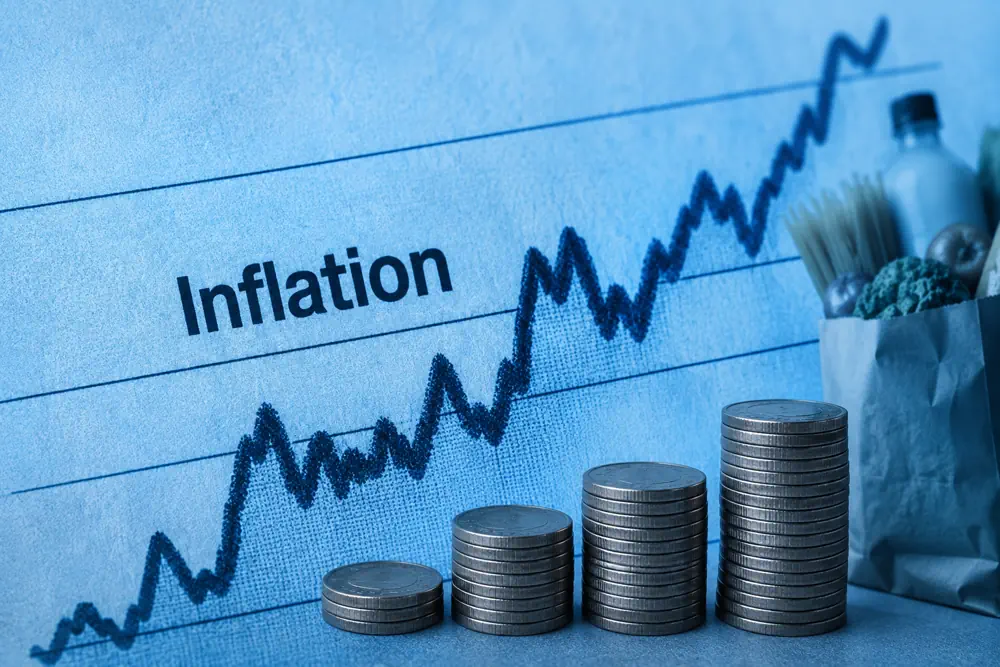
Pakistan’s Ministry of Finance has projected that inflation will remain between 9.5% and 10.5% in October 2026, as higher international energy prices and domestic food costs continue to put pressure on consumer prices.
According to the Monthly Economic Update and Outlook for October 2026, the country’s economic prospects for the ongoing fiscal year 2026-27 remain positive, supported by improving agricultural production, manufacturing activity, foreign investment and stronger external financial inflows.
Also Read:
The latest projection follows an increase in Pakistan’s annual inflation rate to 10.3% in September 2026, significantly higher than the 5.8% recorded in September 2025.
The ministry stated that future inflation trends will largely depend on international oil and energy prices, domestic food availability and the statistical impact of previous price movements.
Despite inflationary pressures, Pakistan’s economy continued to demonstrate signs of stability during the first quarter of FY2026-27, covering July to September. Stronger foreign exchange inflows helped sustain economic recovery despite ongoing tensions in the Middle East and elevated global energy costs.
One of the major developments during the quarter was an improvement in external financing, supported by Pakistan’s successful sovereign Eurobond issuance and increased foreign direct investment.
Workers’ remittances and services exports also recorded strong growth, providing additional foreign exchange earnings without increasing the country’s debt burden.
The Finance Ministry noted that these developments, alongside improved foreign exchange reserves, helped maintain stability in the Pakistani rupee and strengthened confidence in the country’s ability to meet international financial obligations.
Agriculture is expected to play an important role in supporting economic growth during the current fiscal year. Improved crop production could benefit food processing industries, increase rural household incomes and encourage domestic trade.
The ministry also expects selected manufacturing industries and construction activities to contribute to economic expansion. Meanwhile, imports of machinery are anticipated to strengthen industrial production capacity as investment projects move forward.
Growth in services exports and overseas workers’ remittances is expected to provide further support to household incomes and the country’s external financial position.
On the fiscal side, the government remains focused on increasing tax revenues, controlling public expenditure and providing targeted assistance to vulnerable households.
The ministry described the fiscal surplus as a favourable starting point for maintaining financial stability during the current fiscal year.
It also emphasised the importance of improving tax administration, increasing energy efficiency and advancing reforms in state-owned enterprises to support sustainable economic growth while limiting pressure on Pakistan’s external accounts.