Viewers Compare Abu Bakr in Dar-e-Nijaat With Jalees-ul-Hassan From Classic PTV Drama Aanch
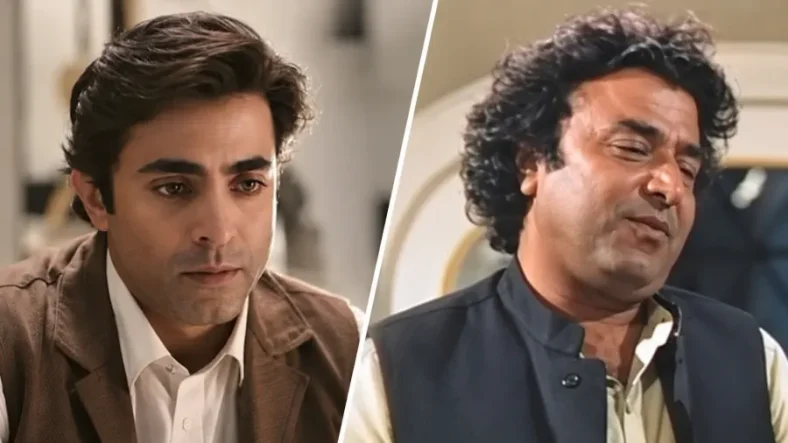
- Pakistani drama viewers are drawing comparisons between Abu Bakr from the contemporary drama Dar-e-Nijaat and Jalees-ul-Hassan from the classic PTV drama Aanch.
- Both characters have attracted attention for their respectful treatment of women, emotional maturity and ability to maintain dignity during difficult relationships.
- The discussion has raised questions about changing social values and why qualities once considered ordinary are now celebrated as exceptional.
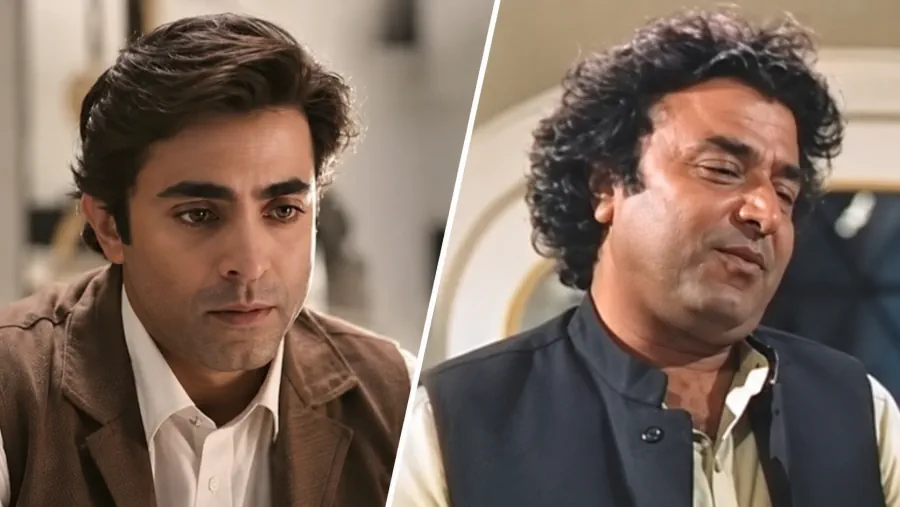
Pakistani television viewers are revisiting the classic PTV drama Aanch as discussions surrounding Abu Bakr’s character in the contemporary drama Dar-e-Nijaat gain attention on social media.
The comparison has sparked an interesting debate about how male characters are portrayed in Pakistani dramas and how audiences’ expectations of respectful, emotionally mature men have changed over the years.
Also Read:
Several viewers have drawn parallels between Abu Bakr and Jalees-ul-Hassan, the memorable character portrayed by the late veteran actor Shafi Muhammad Shah in the popular 1990s television drama Aanch, which also featured Shagufta Ejaz in a leading role.
Jalees-ul-Hassan was widely recognised as a composed, dignified and understanding man who maintained his principles despite experiencing considerable difficulties in his personal life.
In Aanch, his first wife leaves him and their three children to pursue a relationship with her cousin. Despite the emotional pain and family responsibilities that follow, Jalees-ul-Hassan refuses to insult or publicly humiliate his former wife.
He never speaks disrespectfully about her in front of their children or others, choosing instead to handle the situation with patience and maturity.
His character becomes particularly significant because he does not allow personal disappointment to influence how his children perceive their mother.
Later in the story, Jalees-ul-Hassan marries Ulfat, bringing another complicated relationship into his life.
Although Ulfat also creates difficulties for him, he continues to maintain his dignity and refuses to allow others to question her character or disrespect her.
These qualities have once again attracted attention as audiences compare his behaviour with Abu Bakr’s character in Dar-e-Nijaat.
Abu Bakr has received appreciation from viewers for treating women respectfully, remaining composed during disagreements and attempting to preserve relationships without compromising his principles.
Some social media discussions have described his character as unusually idealistic, with viewers expressing admiration for his patience, understanding and respectful behaviour.
However, the comparison with Jalees-ul-Hassan has prompted others to question why such qualities are now being treated as extraordinary.
Viewers recalling Aanch have pointed out that Jalees-ul-Hassan displayed similar characteristics decades ago, yet his behaviour was generally understood as that of a decent, responsible and emotionally mature individual.
The renewed discussion suggests that audience perceptions may have changed considerably between the era of classic PTV dramas and contemporary Pakistani television.
One argument gaining attention is that qualities such as respecting women, avoiding personal insults during disagreements and maintaining dignity in difficult relationships should be considered basic standards of behaviour rather than exceptional achievements.
The comparison has also encouraged reflection on the changing representation of men in Pakistani television dramas, particularly in stories involving marriage, separation, family responsibilities and emotional conflict.
Some viewers believe that contemporary dramas frequently portray relationships through intense arguments, accusations and confrontations, making calm and respectful characters appear especially unusual.
Others argue that the admiration surrounding Abu Bakr reflects audiences’ continuing appreciation for positive male characters who demonstrate emotional intelligence and responsibility.
The discussion has also brought attention to the storytelling of classic PTV productions, where characters such as Jalees-ul-Hassan were presented as complex individuals who could experience heartbreak and disappointment without abandoning their moral principles.
For viewers familiar with both dramas, the comparison goes beyond two fictional characters and raises a broader question about changing social expectations.
Nearly three decades after Aanch became a familiar name among Pakistani television audiences, Jalees-ul-Hassan’s character is once again being discussed alongside a contemporary drama personality, reflecting how older television stories continue to influence conversations about relationships and social values.