US Says Iran Agrees to Dilute Enriched Uranium Under Interim Peace Deal
Iran has agreed to dilute its stockpile of enriched uranium as part of an interim agreement reached with the United States, according to senior US administration officials, who on Friday disclosed what they described as the official text of the accord.
US officials hailed the move as a major breakthrough, saying Tehran’s willingness to reduce its enriched uranium reserves represents a significant achievement for Washington’s long-standing efforts to curb Iran’s nuclear activities.
Also Read:
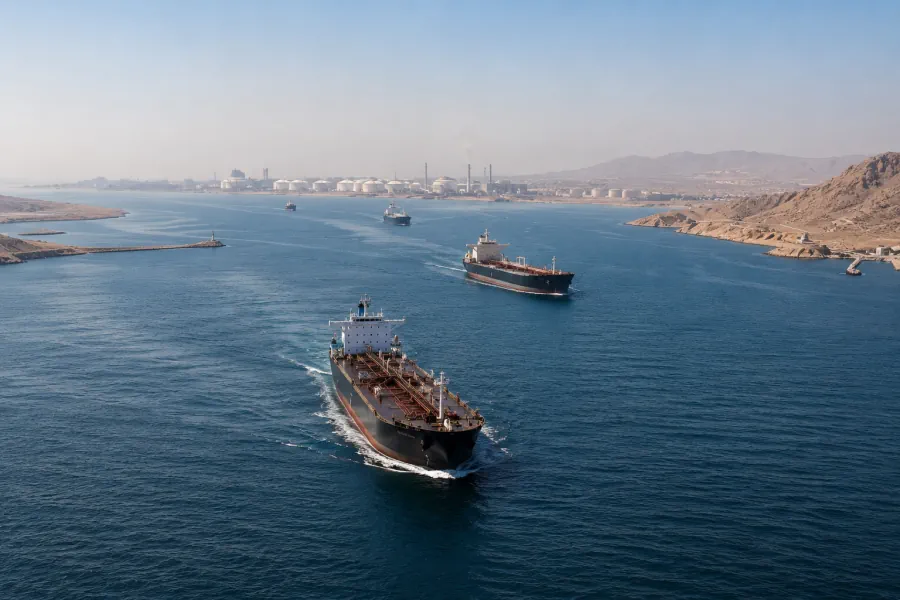
The agreement also includes provisions to reopen the Strait of Hormuz, restore Iranian oil exports, and begin discussions on a proposed $300 billion reconstruction and economic development package for Iran. The fund would be aimed at helping rebuild the country following the conflict that erupted after Israeli and US military operations launched on February 29.
After several days of speculation over the contents of the deal announced by President Donald Trump on Sunday, US officials publicly outlined key sections of the agreement during a conference call with reporters.
The interim arrangement will be followed by 60 days of negotiations aimed at securing a comprehensive final agreement. Trump has warned that military action could resume if a permanent deal is not reached within that period.
According to the text presented by US officials, both sides agreed to establish a mechanism for addressing Iran’s enriched uranium stockpile, a central issue in US concerns over Tehran’s nuclear ambitions.
The agreement states that the minimum acceptable method would involve “down-blending on site under the supervision of the International Atomic Energy Agency (IAEA).” Down-blending is a process that mixes highly enriched uranium with depleted uranium, reducing its enrichment level and making it unsuitable for use in nuclear weapons.
US officials interpreted the provision as a commitment by Iran to eliminate its existing stockpile of enriched uranium through internationally monitored measures.
Another major component of the agreement is the proposed $300 billion reconstruction fund. The text states that the United States will work with regional partners to develop a mutually agreed framework for financing Iran’s reconstruction and economic development.
However, US officials stressed that Washington would not be required to directly contribute money to the fund. Instead, any future investment would depend on sanctions relief and the participation of international and regional investors.
Officials explained that if a final agreement is reached and Iran complies with its commitments, countries and private investors could pursue large-scale projects inside Iran, including infrastructure and energy developments, without direct financial contributions from the US government.
The structure and funding mechanism of the proposed reconstruction package are expected to be among the key issues discussed during the upcoming 60-day negotiations on a permanent accord.