Trump says frozen Iranian assets will cover shipping losses as US expands strikes on Iran
- Trump says frozen Iranian assets will be used to compensate ships and cargo damaged in the Gulf.
- Iran condemns the plan, calling it a dangerous and “incendiary” precedent.
- Fresh US strikes target Iranian military sites as conflict enters its 13th night.
- Oil prices surge above $100 a barrel amid growing fears over regional energy supplies.
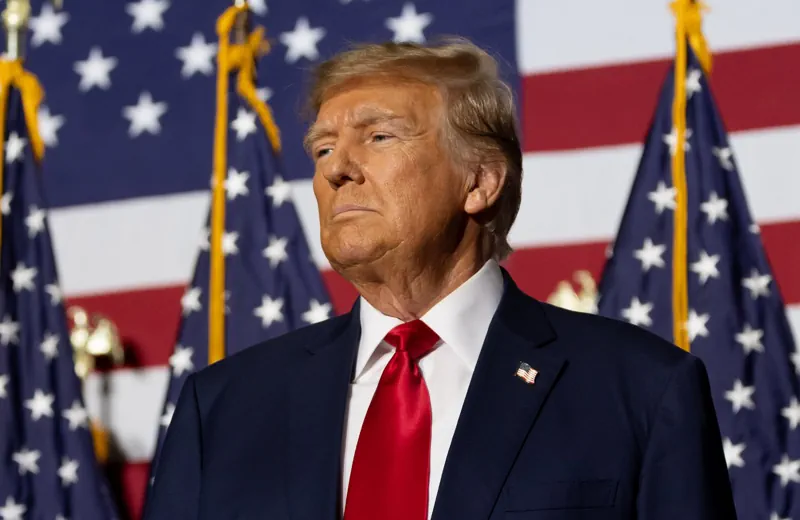
US President Donald Trump has announced that frozen Iranian assets under American control will be used to compensate for any damage caused to ships, cargo or related property in the Gulf region, as the conflict between Washington and Tehran continues to intensify.
In a post on Truth Social, Trump declared that “any and all damages done to Ships, Cargo, or anything related thereto” would be paid using Iranian funds held by the United States. He said the policy would remain in effect until further notice, signalling a tougher financial response alongside ongoing military operations.
Also Read:
Iran strongly rejected the statement, with Foreign Minister Abbas Araghchi describing the proposal as an “incendiary precedent.” Writing on X, Araghchi said confiscating another country’s frozen assets to settle unrelated future claims violated international norms and risked escalating tensions even further.
Trump’s remarks came as the United States carried out another wave of airstrikes on Iranian military targets early Friday, marking the thirteenth consecutive night of combat. According to US Central Command (CENTCOM), the strikes were aimed at weakening threats posed by Iran’s Islamic Revolutionary Guard Corps (IRGC) to commercial shipping in the region.
Iranian state media reported explosions in the southwestern city of Ahvaz, nearby Omidiyeh, the strategic port city of Bandar Abbas and Qeshm Island near the Strait of Hormuz after the latest missile attacks.
The renewed military action followed attacks by Yemen’s Iran-backed Houthi rebels, who this week opened a new front by targeting oil tankers in the Red Sea. Although CENTCOM did not directly reference the Houthi attacks, Trump warned that both Iran and the Houthis would face “major military punishment” for continued threats to maritime security.
The escalating conflict sent shockwaves through global energy markets, with Brent crude oil climbing above $100 per barrel for the first time since May after surging around seven percent. Investors remain concerned that disruptions around the Strait of Hormuz and the Red Sea could significantly affect global oil supplies.
United Nations Secretary-General Antonio Guterres warned the UN Security Council that the crisis was rapidly spiralling, saying the situation was “teetering on the edge of the unimaginable” as one escalation continued to fuel another.
European Central Bank President Christine Lagarde also warned that the worsening energy shock could intensify inflationary pressures and strengthen expectations of another eurozone interest rate increase later this year.
German Defence Minister Boris Pistorius cautioned that oil-importing countries could face severe economic consequences, adding there were currently no signs that a ceasefire or peace agreement was within reach.
The latest fighting resumed after a ceasefire that lasted only a few weeks, plunging the region back into conflict over control of the strategically vital Strait of Hormuz. Iranian military spokesperson Mohammad Akraminia said retaliatory operations would continue for as long as US attacks on Iranian infrastructure and coastal areas persisted.
Meanwhile, the Houthis announced missile and drone attacks on two Saudi oil tankers, the Encelia and the Layla, after declaring a blockade of Saudi ports. British maritime security agency UKMTO reported that a tanker approximately 70 nautical miles southwest of Al Shuqaiq was struck by an unidentified projectile, causing a fire. Saudi Arabia later confirmed that the Encelia had been hit.
Iran’s Revolutionary Guards also claimed they had prevented three oil tankers from passing through the Strait of Hormuz, further heightening concerns over one of the world’s most critical energy shipping routes, through which roughly one-fifth of global oil supplies previously moved.
Jordan and Kuwait separately reported intercepting missiles and drones after Iranian forces claimed to be targeting US military assets in both countries. Kuwait also confirmed a drone strike near one of its border posts with Iraq, though no casualties were reported.
US Secretary of State Marco Rubio, speaking during a Southeast Asian summit in Manila, accused Iran of drawing the Houthis deeper into the conflict. He said the rebel group had largely stayed out of the fighting until now but had been persuaded by Tehran to attack Saudi shipping in the Red Sea.
Despite Trump’s aggressive stance, opposition to the conflict is growing domestically. With US midterm elections approaching, the House of Representatives passed a symbolic resolution, supported by Democrats and several Republicans, urging the president to end the military campaign.
Oman, which has long acted as a mediator between Saudi Arabia and the Houthis, said it was working to revive dialogue between the two sides while expressing deep concern over the rapidly deteriorating security situation in the Red Sea.