Sindh Extends Tax Relief for Electric Vehicles and Bikes for Two Years
- Sindh has extended tax and registration concessions for non-commercial electric vehicles for another two years.
- EV registration will remain Rs1,000, while the annual motor vehicle tax for non-commercial EVs will continue at Rs500.
- Electric motorcycles will carry a one-time lifetime motor vehicle tax of Rs500.
- The incentives will remain applicable from May 30, 2026, to May 29, 2028.
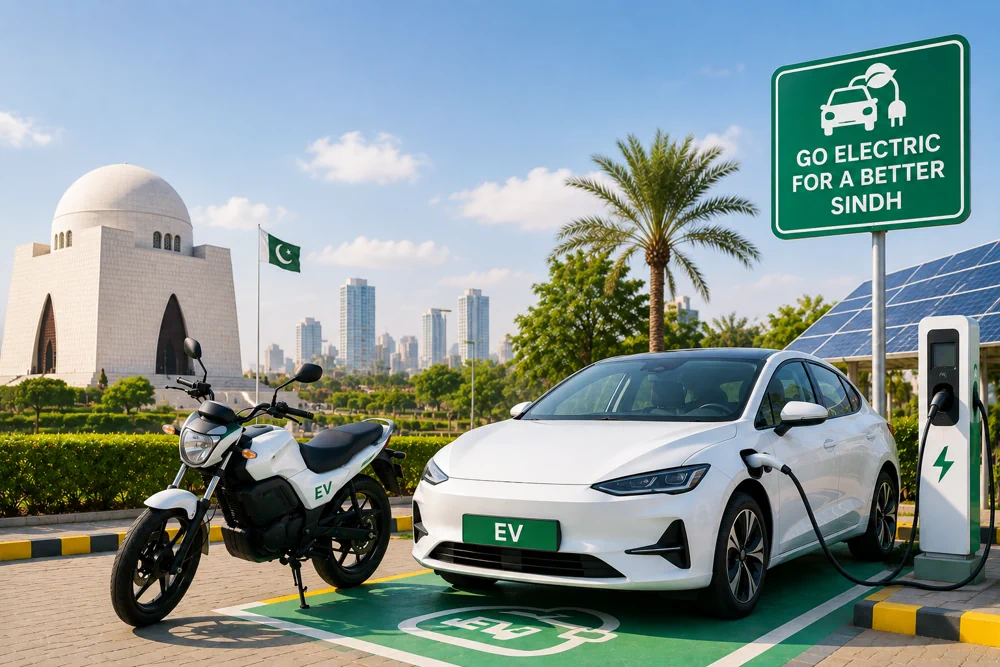
The Sindh cabinet has approved a two-year extension of tax and registration incentives for electric vehicles and motorcycles as the provincial government seeks to encourage cleaner transportation and reduce dependence on imported fuel.
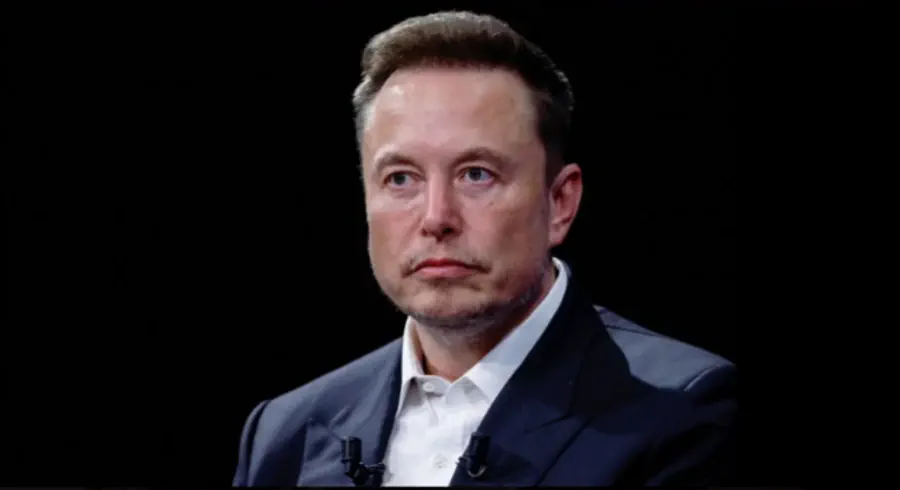
The decision was taken during a cabinet meeting chaired by Sindh Chief Minister Murad Ali Shah, where a proposal submitted by the Excise Department regarding the taxation and registration of electric vehicles was approved.
Also Read:
Under the package, the registration fee for electric vehicles will remain fixed at Rs1,000, while non-commercial electric vehicles will continue to be charged an annual motor vehicle tax of Rs500.
Electric motorcycles will be subject to a one-time lifetime motor vehicle tax of Rs500.
The cabinet also approved a luxury tax of Rs5,000 for electric vehicles with capacities equivalent to 2,000cc or above. Owners who delay registration of their electric vehicles will face a penalty of Rs1,000.
The concessions will remain applicable from May 30, 2026, until May 29, 2028, extending the provincial government’s existing tax and registration relief for non-commercial electric vehicles by another two years.
Speaking during the cabinet meeting, Chief Minister Murad Ali Shah said promoting electric vehicles was an important part of the provincial government’s strategy to develop environmentally friendly and sustainable transportation.
He said wider use of electric vehicles could reduce Pakistan’s reliance on imported fuel, while also helping lower carbon emissions and improve air quality.
The chief minister also highlighted the role of financial incentives in encouraging consumers to shift towards electric mobility.
According to the provincial government, maintaining favourable tax treatment could also help attract investment into the electric mobility sector as demand for cleaner transport alternatives increases.