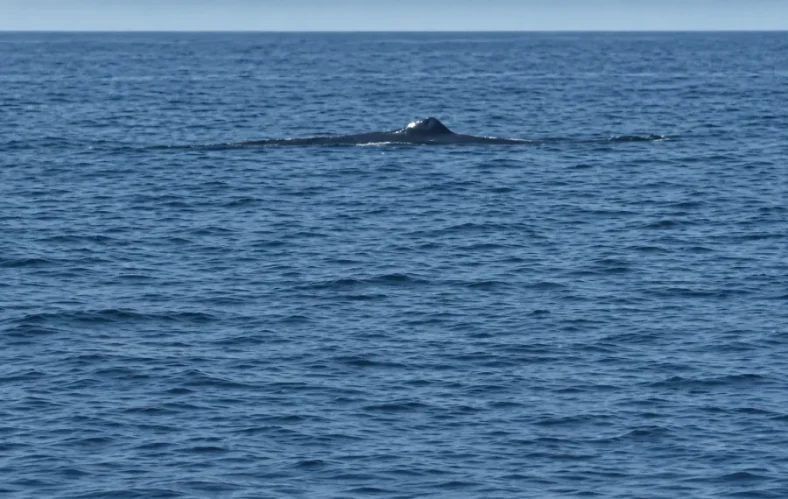
Rare 45-foot sperm whale spotted off Karachi in first recorded sighting for Sindh
- The whale was seen about 40 nautical miles southwest of Karachi during an expedition by WWF-Pakistan board member Zahid Maker.
- WWF-Pakistan said previous sperm whale sightings in Pakistani waters had been reported only off the Balochistan coast.
- The organisation called for stronger habitat protection and responsible fishing to protect whales and dolphins in the Arabian Sea.
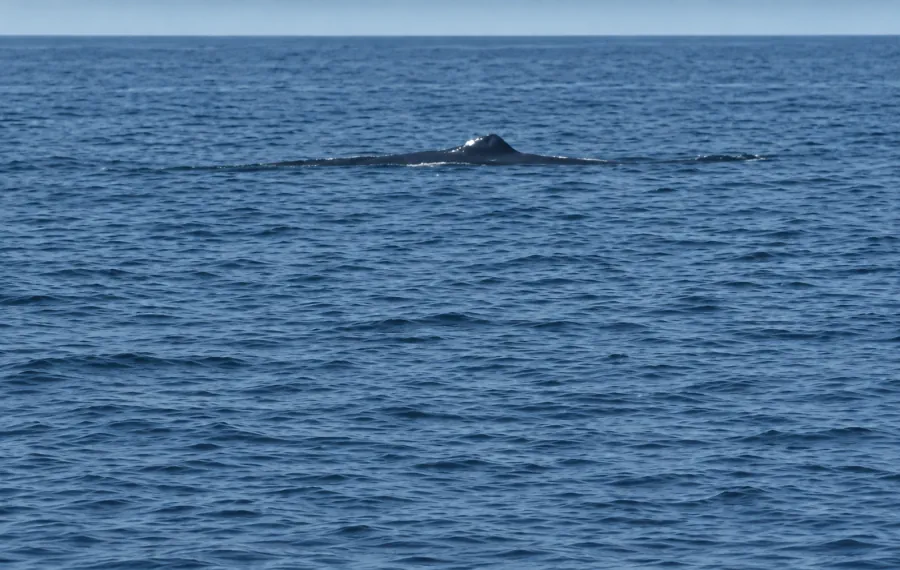
A 45-foot sperm whale has been spotted about 40 nautical miles southwest of Karachi, marking the first recorded sighting of the species off the Sindh coast, WWF-Pakistan said on Friday.
WWF-Pakistan board member Zahid Maker encountered the whale during an offshore expedition. Footage shows its characteristic blowhole, distinctive skin markings and prominent hump. Earlier sightings of sperm whales in Pakistani waters had been reported only off Balochistan.
Also Read:
Sperm whales hunt mainly for squid and octopuses. Their prey ranges from medium-sized squid to giant and colossal squid. Pakistan’s coastal and offshore waters support healthy populations of species that form part of their diet, including the purpleback flying squid and the diamondback squid.
The whales typically dive between 300 and 800 metres to feed, though some dives reach depths of one to two kilometres. Pakistan’s offshore waters also support a variety of organisms that live in the ocean’s midwater zone and help sustain deep-sea food webs.
WWF-Pakistan has documented 26 species of cetaceans in the country, including blue whales, Bryde’s whales, Arabian Sea humpback whales, several species of toothed whales and dolphins. Through research and monitoring, the organisation has recorded several toothed whale species in Pakistani waters for the first time.
Whales and dolphins help keep the Arabian Sea’s ecosystems healthy, but face growing risks from entanglement in fishing gear, collisions with vessels and marine pollution. Rab Nawaz, a senior director at WWF-Pakistan, said much of the marine life in Pakistani waters remained poorly studied and documented. He called for sustained monitoring, stronger conservation measures and more responsible fishing and other maritime activity to protect the habitats and food chains these animals depend on.